
IPhone 18 Pro Max Leaked: Variable Aperture and Upgraded Sony Sensor Hint at a Focused Camera Evolution

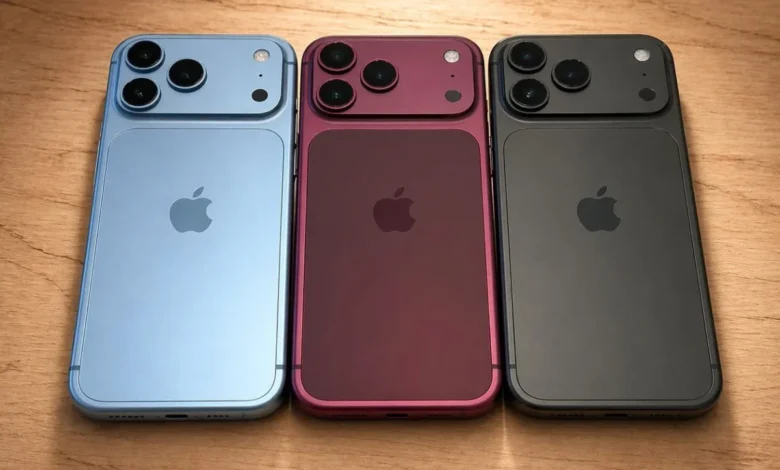
Recent leaks circulating on social media platforms and tech forums suggest a significant, yet focused, upgrade for the iPhone 18 Pro Max, particularly within its camera system. While many expected a wholesale overhaul, the prevailing information points towards a strategic refinement, with the primary camera sensor receiving the most substantial enhancement. According to reports originating from technology outlet Beebom and amplified by tech influencer accounts, Apple is poised to equip the iPhone 18 Pro Max with the Sony IMX905 sensor, a 48-megapixel powerhouse, distinguished by the integration of variable aperture technology. This development, if accurate, marks a notable departure from Apple’s typical evolutionary camera upgrades and signals a deeper dive into optical control.
The purported leak outlines a camera configuration where the main sensor is the sole component undergoing a significant generational leap. Other camera modules, including the ultrawide, telephoto, LiDAR scanner, and front-facing camera, are expected to continue utilizing Sony-manufactured sensors, albeit with different model numbers, suggesting incremental improvements rather than radical changes. This selective upgrade strategy underscores Apple’s potential emphasis on elevating the core photographic experience rather than simply increasing megapixel counts or adding more lenses.
A Deep Dive into the Alleged iPhone 18 Pro Max Camera Specifications
Based on the disseminated information, the purported camera system for the iPhone 18 Pro Max is as follows:
- Main Camera: 48MP Sony IMX905 with Variable Aperture
- Ultrawide Camera: Sony IMX972
- Telephoto Camera: Sony IMX973
- LiDAR Sensor: Sony IMX591
- Front Camera: Sony IMX914
This detailed breakdown, widely shared across platforms like X (formerly Twitter), indicates a continued reliance on Sony as Apple’s primary sensor supplier. Notably, the leaks explicitly refute earlier rumors suggesting the potential incorporation of Samsung sensors into the next iPhone lineup. This affirmation of Sony’s continued partnership is a crucial detail, particularly given the competitive landscape of mobile imaging technology.
The Significance of Variable Aperture in Mobile Photography
The introduction of a variable aperture on the main camera of the iPhone 18 Pro Max represents a pivotal technological advancement for the iPhone series. This feature, long a staple in professional photography and a common characteristic in high-end Android smartphones, allows the camera’s aperture to adjust dynamically based on ambient lighting conditions.
In low-light environments, a wider aperture (lower f-number) can be employed to allow more light to reach the sensor, resulting in brighter, cleaner images with reduced noise. Conversely, in bright conditions, a narrower aperture (higher f-number) can be utilized to enhance image sharpness, control depth of field more precisely, and prevent overexposure. This adaptability is crucial for capturing high-quality photographs across a diverse range of scenarios, from dimly lit indoor shots to brightly lit outdoor landscapes.
The potential implications of variable aperture technology on the iPhone 18 Pro Max are far-reaching:
- Enhanced Low-Light Performance: The ability to open the aperture wider will directly translate to improved detail and clarity in photos taken at night or in other challenging low-light situations, a consistent area of focus for smartphone manufacturers.
- Improved Depth of Field Control and Bokeh: A variable aperture offers greater flexibility in controlling the depth of field, allowing for more natural and aesthetically pleasing background blur (bokeh) effects. This is particularly beneficial for portrait photography, where isolating the subject from its surroundings is paramount.
- Superior Video Recording: For videographers, the dynamic adjustment of aperture can lead to more consistent exposure levels during shooting, especially when transitioning between different lighting conditions. This can result in smoother, more professional-looking video footage without the jarring changes in brightness that can occur with fixed apertures.
- Greater Creative Freedom: Ultimately, variable aperture provides photographers and videographers with more creative control over their images, enabling them to fine-tune exposure and depth of field to achieve specific artistic visions.
While Apple has consistently pushed the boundaries of computational photography through software processing, the integration of variable aperture signifies a renewed emphasis on hardware-level optical control, aiming to complement its sophisticated image processing algorithms. This approach mirrors the strategies employed by leading Android flagships, such as Samsung’s Galaxy S Ultra series and Google’s Pixel devices, which have successfully leveraged variable aperture to deliver exceptional imaging capabilities.
A Timeline of Camera Evolution and the Shifting Competitive Landscape
Apple’s journey with iPhone camera technology has been one of continuous refinement. Since the introduction of the iPhone 4S in 2011, which featured an 8-megapixel camera, Apple has steadily increased sensor resolution and introduced new imaging capabilities. The iPhone 6s, in 2015, brought a 12-megapixel sensor, a resolution that remained standard for many subsequent generations. The significant leap to 48 megapixels for the main camera was first seen in the iPhone 14 Pro models, signaling a move towards larger sensors capable of capturing more detail and enabling advanced computational photography features like pixel binning.
The alleged adoption of the Sony IMX905 sensor for the iPhone 18 Pro Max’s main camera suggests Apple is continuing this trend of leveraging high-performance sensors. The IMX905, a known sensor in the industry, is recognized for its advanced capabilities in capturing light and detail. Its integration, coupled with variable aperture, could represent a significant leap in raw imaging hardware for Apple.
The smartphone camera market has become increasingly competitive, with manufacturers constantly innovating to capture the attention of consumers. For years, Apple has relied heavily on its proprietary image processing software, known as "computational photography," to produce stunning images even with seemingly less advanced hardware compared to some rivals. Features like Deep Fusion, Photonic Engine, and Cinematic Mode have been hallmarks of the iPhone camera experience. However, the persistent rumors of variable aperture suggest Apple is now looking to enhance its hardware capabilities to further bolster its imaging prowess, potentially closing any perceived gaps with Android competitors who have already embraced such technologies.
The inclusion of specific Sony sensor model numbers (IMX972, IMX973, IMX591, IMX914) for the other cameras suggests a strategy of leveraging established, high-performing components from a trusted supplier. This approach allows Apple to maintain a high baseline of quality across its entire camera system while focusing its most significant innovation on the primary shooter. The absence of any Samsung sensors, as previously rumored by some, is also noteworthy. While Apple has historically diversified its component suppliers, the continued exclusive use of Sony for its camera sensors in this generation of iPhones indicates a strong and perhaps strategically vital partnership.
Analysis of Implications: A Focused Approach to Imaging Excellence
The leaked specifications for the iPhone 18 Pro Max’s camera system suggest a departure from Apple’s past strategy of broad-spectrum upgrades. Instead, the company appears to be adopting a more focused approach, prioritizing significant enhancements to the core photographic experience. This strategy has several potential implications:
- Elevated User Experience: By concentrating on the main camera’s sensor and aperture control, Apple aims to directly impact the quality of the most frequently used camera. This could lead to more consistently impressive photos and videos for the average user, particularly in challenging lighting conditions.
- Competitive Advantage in Specific Niches: While other camera modules may see incremental improvements, the variable aperture on the main camera could give the iPhone 18 Pro Max a distinct advantage in areas like low-light photography, portraiture, and dynamic range. This could resonate with photography enthusiasts and content creators.
- Refined Software-Hardware Synergy: The integration of a new, advanced sensor with variable aperture provides a fertile ground for Apple’s renowned computational photography. Future software updates can be optimized to harness the full potential of this new hardware, leading to even more sophisticated image processing and creative possibilities.
- Cost and Supply Chain Management: Focusing upgrades on a limited number of components can also have implications for manufacturing costs and supply chain management. By not overhauling every sensor, Apple might be able to streamline production and potentially mitigate some of the supply chain challenges that have affected the tech industry in recent years.
- Market Positioning: This focused upgrade strategy could be an attempt to differentiate the Pro Max model further within the iPhone lineup, positioning it as the ultimate device for mobile photography and videography, appealing to users who prioritize these capabilities above all else.
Looking Ahead: The Official Unveiling
It is crucial to reiterate that these details are based on leaks and rumors. Apple is known for its tight-lipped approach to product development, and official specifications are typically revealed only at its highly anticipated product launch events. Historically, these events have served as the definitive platform for Apple to showcase its latest innovations and provide concrete details about its new devices.
The anticipated launch of the iPhone 18 Pro Max, likely in the fall of 2026, will be the moment when these speculations are either confirmed or refuted. Until then, the leaked information provides a compelling glimpse into Apple’s potential direction for its flagship smartphone camera, suggesting a strategic evolution rather than a revolution, with a keen eye on delivering tangible improvements to the photographic experience. The focus on a superior main sensor and the groundbreaking addition of variable aperture technology hint at a commitment to pushing the boundaries of what’s possible with smartphone imaging, further solidifying the iPhone’s position in the competitive mobile photography arena.