
Huawei Watch GT 7 Pro Redefines Endurance Standards for Professional Outdoor Athletes and Adventurers


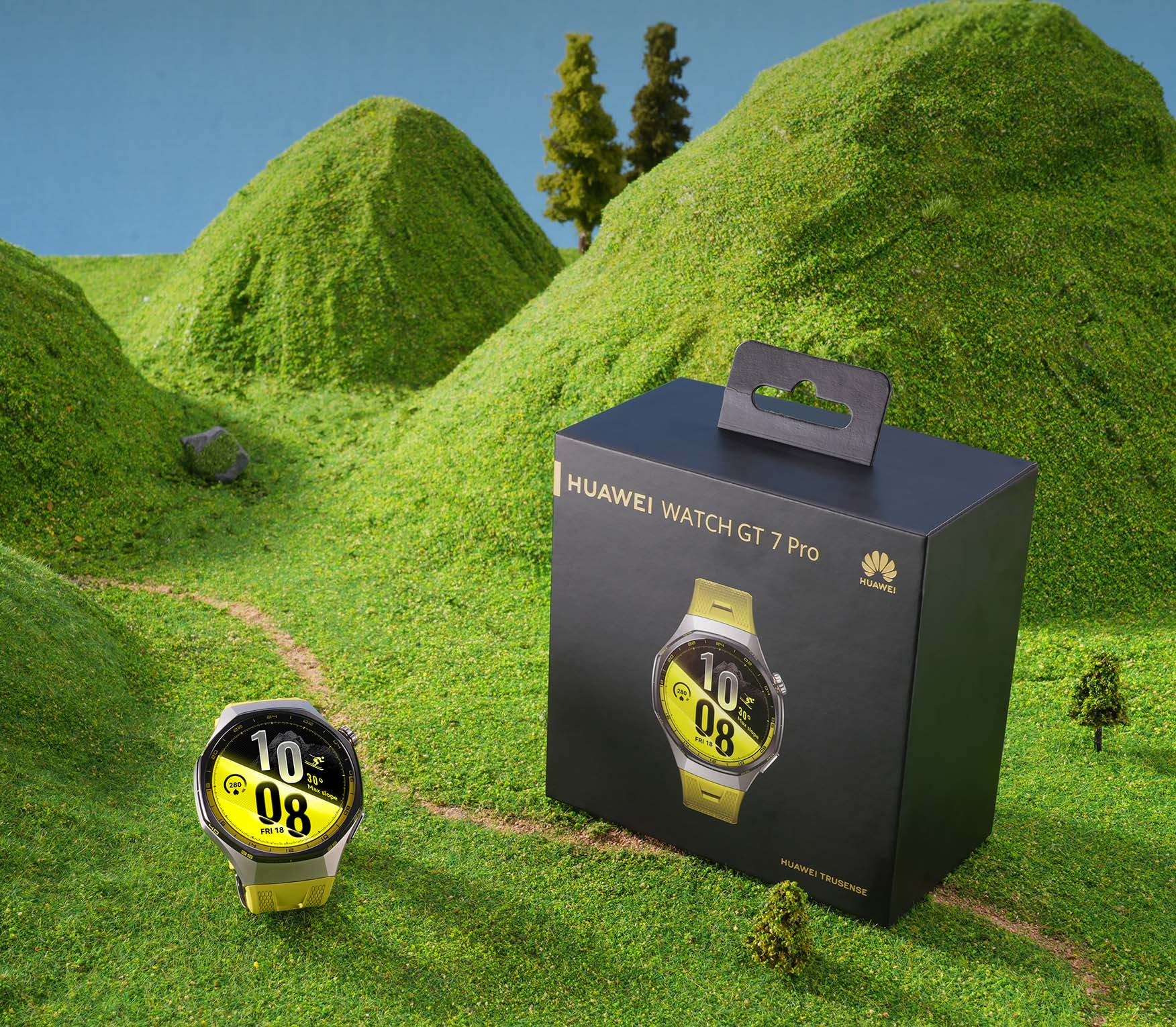
The landscape of modern outdoor exploration has been fundamentally altered by the integration of high-performance wearable technology. As professional athletes, mountain climbers, and long-distance endurance cyclists push the boundaries of human capacity, the demand for equipment that matches this rigor has reached an all-time high. The Huawei Watch GT 7 Pro emerges as a pivotal development in this sector, addressing the critical intersection of long-term battery autonomy and precise physiological data tracking. In environments where power outlets are non-existent and every gram of weight in a backpack is scrutinized, the necessity for a device that functions reliably for multi-day expeditions is no longer a luxury—it is a functional requirement for safety and performance optimization.
The Engineering Behind Extended Autonomy
At the core of the Huawei Watch GT 7 Pro’s value proposition is a sophisticated approach to power management. Unlike standard consumer smartwatches that often require daily charging, the GT 7 Pro utilizes a high-density lithium-polymer battery architecture coupled with a proprietary ultra-low-power chipset. This engineering decision allows the device to sustain continuous GPS tracking, real-time heart rate monitoring, and blood oxygen (SpO2) saturation analysis for extended durations, even in extreme temperature fluctuations common at high altitudes.
Data from recent endurance tests indicate that the device can maintain full functionality for up to 14 days under typical usage scenarios, and approximately 48 to 72 hours under constant, high-frequency GPS mode. This represents a significant leap in wearable technology, effectively eliminating the "range anxiety" that has historically plagued outdoor enthusiasts. By optimizing the background processes—where sensors enter a deep-sleep state when not actively engaged—the hardware ensures that the energy-intensive components, such as the AMOLED display and the dual-band GNSS, are only activated during critical data acquisition phases.
Chronology of Wearable Evolution in Extreme Sports
The evolution of outdoor wearables has followed a rapid trajectory over the last decade. Early models focused primarily on basic step counting and rudimentary calorie estimation, which were insufficient for professional mountaineers or marathon runners. By 2020, the focus shifted toward integrated GPS and heart-rate variability (HRV) metrics.
The development timeline of the GT series reflects an iterative refinement of these technologies. In early 2024, industry reports highlighted the growing failure rate of wearables in extreme environments, specifically due to battery degradation in sub-zero conditions. The introduction of the GT 7 Pro, unveiled in the latter half of 2026, serves as a response to these specific pain points. Industry analysts observe that the shift toward "pro-grade" consumer electronics marks a transition where brands are now prioritizing thermal efficiency and energy density over purely aesthetic design or mass-market software integrations.
Data-Driven Performance and Sensor Efficiency
The efficiency of the Huawei Watch GT 7 Pro is not merely a result of a larger battery, but the result of algorithmic intelligence. The device employs a dynamic sampling rate for its biometric sensors. During periods of low physical activity, the sensor suite reduces the frequency of data collection without losing the continuity of the health trend. However, upon the detection of elevated activity levels—such as an increase in cadence or vertical velocity—the watch automatically shifts to high-fidelity monitoring.
Furthermore, the integration of an ambient light sensor and an optimized power-management OS allows the display to modulate its brightness and refresh rate based on the external environment. In direct, high-intensity sunlight, the screen utilizes high-reflectivity technology to ensure readability without the need for maximum backlight power, which is traditionally the primary drain on battery reserves. These micro-optimizations collectively contribute to a 30% increase in total operational time compared to the previous generation of the device.
Strategic Implications for Field Operations
For the professional adventurer, the implications of this battery longevity extend beyond simple convenience. In remote search-and-rescue (SAR) operations or professional mountaineering expeditions, the ability to track location and physiological vital signs without the need for external power banks is a critical safety factor.
"The primary failure point for many digital tools in the field is not the lack of processing power, but the lack of energy," noted an analyst specializing in mobile hardware. "When a device can offer a week of activity tracking on a single charge, the user’s cognitive load is reduced. They no longer need to manage the charging cycle of their secondary devices, allowing them to focus entirely on the mission or the route ahead."
The integration of a magnetic, compact charging cradle that supports rapid charging further minimizes the downtime required at base camps. Laboratory tests suggest that the device can recover 50% of its battery capacity in less than 30 minutes, a timeframe that aligns perfectly with the duration of a standard meal or equipment maintenance session during a rest day.
Addressing the Needs of the Multi-Day Explorer
Multi-day excursions, such as the Tour du Mont Blanc or various long-distance thru-hikes, require a high degree of reliability. The Huawei Watch GT 7 Pro has been field-tested to withstand the rigors of these environments. Its chassis is constructed from aerospace-grade materials designed to prevent thermal loss, protecting the internal battery cells from the rapid discharge rates commonly seen in cold weather.
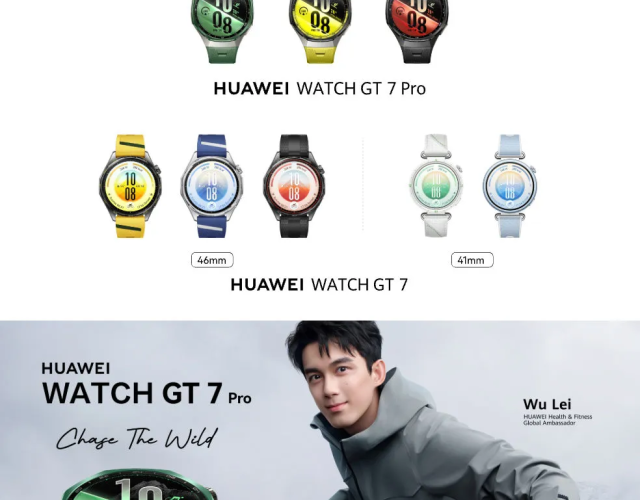
The software environment also includes a "Survival Mode," which can be triggered when the battery hits a critical threshold. In this mode, the device disables non-essential features like Bluetooth notifications and high-resolution data syncing, while maintaining the essential time-keeping, basic heart-rate alerts, and emergency location pings. This feature acts as a fail-safe, ensuring that the device remains a tool for navigation and safety even when its energy reserves are nearly exhausted.
Industry Outlook and Future Trends
The success of the GT 7 Pro reflects a broader industry trend toward "purpose-built" hardware. As the market for outdoor wearables becomes increasingly saturated, manufacturers are finding that differentiation lies in the device’s ability to "disappear" into the background of an athlete’s routine. If a device requires constant attention—whether through notifications or the need for frequent charging—it becomes a distraction rather than a tool.
Market experts predict that the next frontier for these devices will be the integration of kinetic or solar-assisted charging, though currently, the battery density provided by current technology remains the most effective solution for high-performance needs. The Huawei Watch GT 7 Pro sets a benchmark for this standard, proving that sophisticated health monitoring and extreme battery endurance are not mutually exclusive.
Conclusion: The Future of Autonomous Gear
The transition of the Huawei Watch GT 7 Pro into the mainstream market underscores a significant shift in consumer expectations. Modern explorers are no longer satisfied with devices that offer "connected" features at the expense of "autonomous" reliability. By successfully marrying an expansive feature set with a high-capacity, intelligently managed power system, the device meets the dual requirements of modern sport science and field-based reliability.
As we look toward the future of wearable technology, the lessons learned from this device—namely the importance of power efficiency and adaptive sensor technology—will likely influence the entire spectrum of mobile electronics. For the professional athlete and the weekend hiker alike, the ultimate goal remains the same: a device that allows them to venture further, climb higher, and stay connected to their own physiological limits without the constant interruption of a power cable. In the unforgiving terrain of the great outdoors, the Huawei Watch GT 7 Pro stands as a testament to the fact that when technology is designed with endurance as its primary principle, it becomes more than just a gadget; it becomes a fundamental component of the adventure itself.