The conclusion of the 12-year mission led by the United States in Iraq marks a profound geopolitical shift in the Middle East, signaling the end of an era defined by counter-insurgency operations and the struggle against the Islamic State (ISIS). Iraqi Prime Minister Ali al-Zaidi officially declared the transition into a new chapter of national sovereignty, emphasizing the strengthening of domestic institutions, the readiness of the Iraqi armed forces, and the establishment of balanced partnerships with regional and international allies. As the last of the coalition forces depart, the region stands at a critical juncture, with power vacuums, internal political maneuvering, and shifting regional alliances dominating the discourse in Baghdad and beyond.
A Historical Retrospective: The 12-Year Mission
The coalition mission, which officially reached its culmination this week, traces its roots back to the strategic decisions made in the wake of the 2014 collapse of Iraqi security forces in the face of the ISIS insurgency. At the time, the Iraqi government requested international intervention to prevent the total disintegration of the state. Over the past decade, the coalition, comprised of dozens of nations under U.S. leadership, played a pivotal role in providing air support, intelligence, training, and logistical coordination that enabled Iraqi forces to reclaim territory from the caliphate.
However, the nature of this presence evolved significantly over the years. What began as a desperate effort to contain a terrorist threat gradually morphed into a complex political issue within Iraq. The persistent presence of foreign troops became a rallying cry for nationalist factions and a friction point for groups aligned with neighboring Iran. The long-term objective of the mission was always framed as the development of the Iraqi Security Forces (ISF) to a point of self-sufficiency. With the formal end of the coalition, Baghdad is now tasked with proving that it can maintain internal stability and territorial integrity without a direct Western military safety net.
Timeline of the Withdrawal and Strategic Shifts
The process of withdrawal was not sudden; it was the result of years of negotiations, domestic pressure, and evolving security landscapes.
- 2014: The formation of the Global Coalition against Daesh (ISIS) following the fall of Mosul and the rapid expansion of the extremist group across Northern Iraq and Syria.
- 2017: The formal declaration by the Iraqi government of the territorial defeat of ISIS, though low-level insurgency continued.
- 2020: The assassination of Iranian General Qassem Soleimani and Iraqi militia leader Abu Mahdi al-Muhandis near Baghdad International Airport, which triggered a parliamentary vote in Iraq demanding the expulsion of foreign forces.
- 2021-2023: A series of bilateral dialogues between Washington and Baghdad focused on transitioning from a combat-oriented mission to an advisory and training role.
- 2024: Final negotiations regarding the timeline for the complete withdrawal of coalition forces, leading to the formal closure of the mission this month.
Implications for Regional Power Dynamics
The departure of U.S. forces has inevitably shifted the spotlight onto Tehran. Iran has long viewed the U.S. presence in Iraq as a strategic encirclement and a direct threat to its influence. With the coalition departing, regional analysts observe a potential for a "pro-Iran surge" within the Iraqi state apparatus.
"The vacuum created by the absence of Western military oversight is likely to be filled by internal political entities that have deep-rooted ties to Tehran," noted Ahmed Younis, a Baghdad-based political analyst. "We are already seeing increased rhetoric from militia-aligned blocs regarding their role in shaping the future of Iraq’s security architecture. The challenge for the government is to ensure that this ‘sovereignty’ is not monopolized by non-state actors who owe allegiance to foreign powers rather than the Iraqi state."
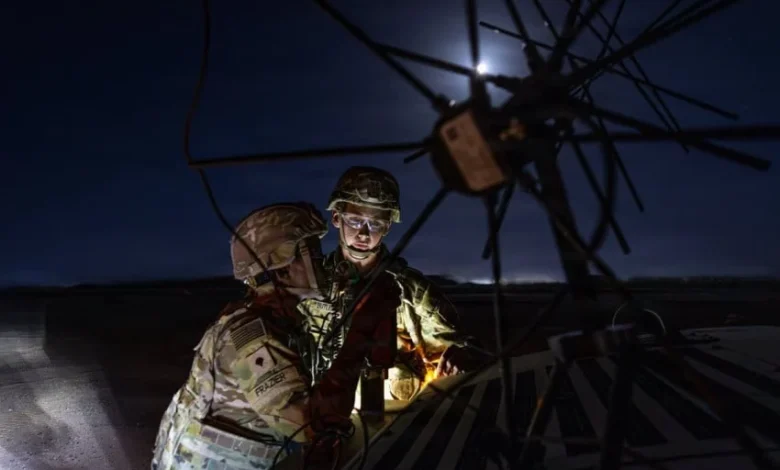
Data regarding security incidents over the past year highlights the volatility of the environment. Since the beginning of the year, there have been dozens of rocket and drone attacks targeting bases housing international personnel. The loss of 18 U.S. service members since February, with a significant portion occurring in Iraqi territory, underscored the high cost of maintaining a presence in a country where the strategic consensus had eroded.
The Question of Internal Stability
The primary concern for the Iraqi government is whether the ISF can prevent a resurgence of ISIS cells operating in the remote desert regions of Anbar and the rugged mountains of the north. International observers have expressed cautious optimism, noting that the Iraqi army has become significantly more professional and capable since 2014. However, the reliance on coalition intelligence and surveillance assets was a crucial component of Iraqi counter-terrorism operations.
To mitigate these risks, Prime Minister al-Zaidi has emphasized a "balanced partnership" strategy. This approach involves diversifying Iraq’s security relationships, potentially increasing cooperation with NATO members on an individual basis and strengthening regional security pacts with neighboring Arab states. By shifting from a foreign-led coalition to a series of bilateral security agreements, Baghdad hopes to avoid the perception of being a client state to any single power.
Official Responses and International Reaction
The reaction from Washington has been measured, focusing on the transition to a sustainable, long-term security partnership. U.S. officials have stated that while the combat mission is over, the United States remains committed to supporting Iraq’s stability through diplomatic, economic, and institutional development programs.
Meanwhile, in Tehran, the sentiment is one of quiet triumph. Iranian state media has framed the withdrawal as the "inevitable consequence of regional resistance," signaling that the move will likely embolden groups that have historically opposed Western presence in the Levant and Mesopotamia.
Internally, the Iraqi political landscape remains fractured. While the government celebrates the move as a reclamation of national dignity, members of the opposition and minority groups have expressed fear that the departure of international forces could lead to an unchecked expansion of sectarian militias. The absence of an external "referee" leaves the Iraqi political system, which is based on a delicate power-sharing agreement, potentially vulnerable to internal power struggles.
Strategic Outlook: A Sovereignty Test
The coming 24 months will serve as a litmus test for the Iraqi government. The country faces several pressing challenges:
- Militia Integration: The government must find a way to integrate or effectively neutralize independent paramilitary groups that operate outside the chain of command of the Iraqi Ministry of Defense.
- Economic Resilience: Stability is inextricably linked to economic performance. Iraq’s reliance on oil exports, combined with the need to rebuild infrastructure destroyed during the war against ISIS, requires significant international investment—investment that is often deterred by perceptions of instability.
- Diplomatic Balancing: Baghdad must navigate the increasingly hostile environment between Washington and Tehran. The ability to maintain a "neutral" position will be the defining feature of Prime Minister al-Zaidi’s administration.
In conclusion, while the withdrawal of U.S.-led coalition forces marks the end of a long and bloody chapter in Iraqi history, it is far from the end of the country’s security challenges. The narrative of "sovereignty" is now being put into practice. Whether this transition leads to a more unified and independent Iraq or a nation further susceptible to regional proxy battles remains to be seen. The international community, while withdrawing its physical military footprint, remains deeply invested in the outcome, recognizing that a stable Iraq is essential for the security of the wider Middle East. For the people of Iraq, the hope is that this new phase will prioritize national reconciliation and economic development over the cycles of conflict that have defined the last decade. The government’s task is clear: it must translate the rhetoric of sovereignty into the reality of governance, security, and institutional strength.