Backpacker Jakarta Mobilizes Humanitarian Aid Following Devastating Magnitude 7.8 Earthquake in Flores Nusa Tenggara Timur

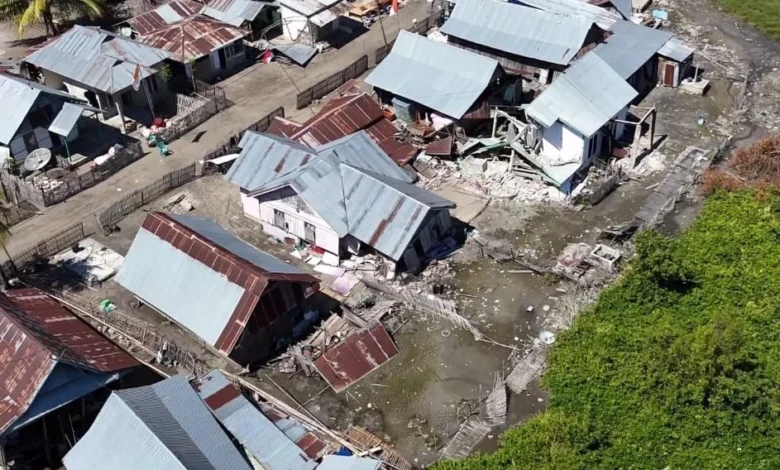
On Saturday, August 15, 2026, at 05:58 WITA, the island of Flores in Nusa Tenggara Timur (NTT), Indonesia, was struck by a powerful earthquake measuring 7.8 on the moment magnitude scale (Mw). The epicenter of the seismic event was located offshore, specifically within the Flores Back-Arc Thrust zone, at a relatively shallow depth of 10 kilometers. This geological formation, known for its high seismic activity, caused violent ground shaking across multiple regencies, leading to widespread structural failure and a tragic loss of life. In the aftermath of this disaster, community organizations like Backpacker Jakarta have pivoted their operations to facilitate essential relief efforts for the thousands of displaced residents.
Geological Context and Seismic Impact
The Flores Back-Arc Thrust is a prominent tectonic feature characterized by a system of north-dipping faults that extend along the northern coast of the Flores Sea. Geological experts have long identified this region as a high-risk zone for shallow-focus earthquakes. When the quake occurred on August 15, the shallow depth of 10 kilometers exacerbated the intensity of the surface waves, resulting in severe damage to infrastructure in regencies including Manggarai, Manggarai Timur, Nagekeo, Sikka, Ngada, Ende, and Manggarai Barat.

The immediate aftermath saw the collapse of residential buildings, school facilities, and vital health centers. Data released by the National Disaster Management Agency (BNPB) and the National Search and Rescue Agency (Basarnas) confirmed that the disaster claimed 111 lives. Thousands more sustained injuries, ranging from minor lacerations to critical trauma, overwhelming local medical facilities that were already structurally compromised by the tremors.
Chronology of the Disaster and Ongoing Aftershocks
The initial seismic event was merely the beginning of a prolonged crisis. According to official data from the Meteorology, Climatology, and Geophysics Agency (BMKG), the region experienced an unprecedented sequence of aftershocks. As of September 4, 2026, at 17:00 WIB, the BMKG recorded 12,209 aftershock events. This persistent seismic activity has severely hampered rescue and recovery efforts, as residents remain hesitant to return to their homes, fearing further structural collapses.
The timeline of the disaster highlights the volatility of the region:
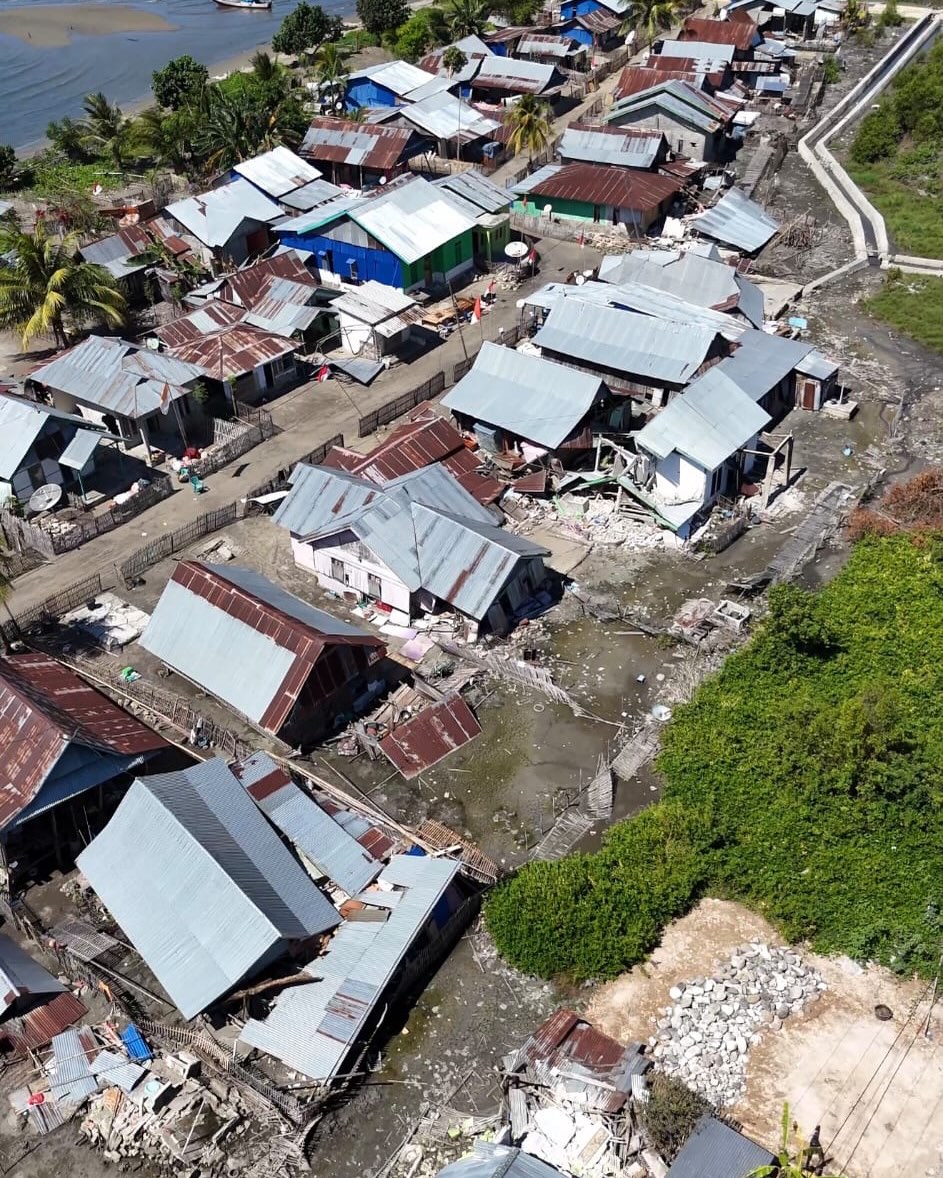
- August 15, 2026: The main shock (Mw 7.8) occurs at 05:58 WITA, causing mass destruction across central and western Flores.
- August 16–25, 2026: Emergency response phase begins; search and rescue operations are conducted; initial damage assessments are performed by local governments.
- August 26, 2026: Civil society organizations, including Backpacker Jakarta, begin the first phase of targeted aid delivery to the most isolated and severely damaged areas in Manggarai Timur.
- September 4, 2026: BMKG confirms the total number of aftershocks has exceeded 12,000, underscoring the ongoing danger to survivors.
Humanitarian Response and Community-Led Relief
In the wake of such a large-scale catastrophe, the Indonesian government and local authorities have been stretched thin. Recognizing the critical need for immediate supplies—specifically clean water, food, and sanitation—Backpacker Jakarta (BPJ) launched a fundraising initiative. By leveraging their extensive network of members and public donors, the group successfully raised funds to provide direct relief to the hardest-hit communities.
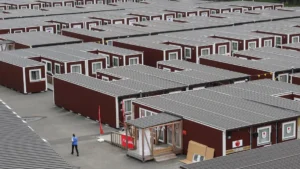
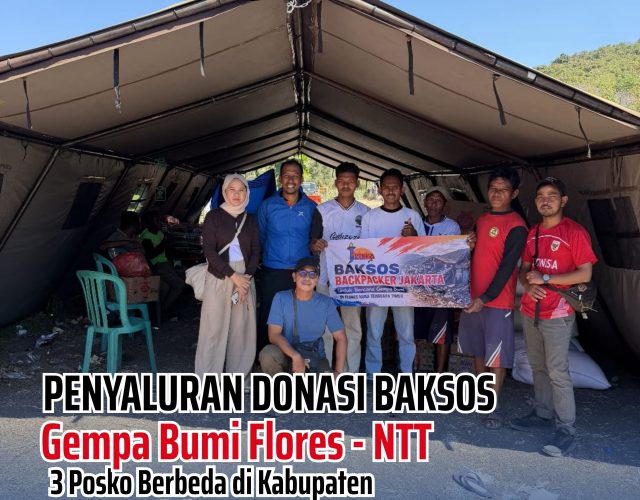
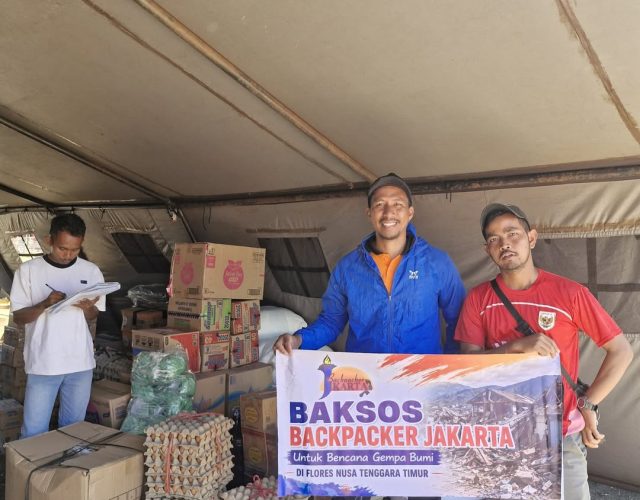
On August 26, 2026, the organization directed its aid toward three specific command posts (posko) in the Manggarai Timur Regency. The focus was on the Kampung Waso area (Desa Satar Padur) and the Posko Terpadu located at SMP 1 Lamba Leda (Desa Satar Padut), as well as a relief site in Desa Elar.
The distribution of aid was meticulously documented to ensure transparency and accountability. The relief package for the Lamba Leda region included:
- Essential infrastructure: Construction of water distribution channels for refugee tents (Rp1,334,500).
- Nutrition and Sustenance: Comprehensive food packages including rice, cooking oil, eggs, instant noodles, seasoning, coffee, and sausages (Rp10,880,000).
- Logistics: Rental of pickup trucks for distribution across difficult terrain (Rp1,500,000).
- Hygiene and Childcare: Diapers, children’s milk, feminine hygiene products, and bathing kits.
- Utilities: Bulk water supplies and lighting units to assist in nighttime shelter security.
In total, the initial relief phase facilitated by Backpacker Jakarta amounted to Rp17,199,000. While this sum represents only a fraction of the total economic loss suffered by the region, the swiftness of the response provided a lifeline to hundreds of individuals who were left without basic amenities.
Analysis of Socio-Economic Implications
The earthquake has triggered a significant socio-economic crisis in Flores. The damage to schools, for instance, has effectively suspended the education of thousands of children, with no immediate timeline for rebuilding. Similarly, the destruction of health infrastructure in rural areas has created a secondary health crisis, as access to routine medical care and maternal health services has been severely disrupted.
Furthermore, the "Flores Back-Arc Thrust" continues to pose a long-term risk. Urban planning experts suggest that the reconstruction of Manggarai and surrounding regencies must prioritize "build back better" principles. This includes enforcing strict seismic building codes and establishing permanent, earthquake-resistant community shelters. The high frequency of aftershocks indicates that the crust in the region remains unstable, necessitating ongoing monitoring and public education regarding earthquake preparedness.
Official Response and Future Outlook
Government agencies, including the BNPB, have continued to provide updates on the situation, emphasizing the need for public vigilance. While the rescue phase has transitioned into a recovery and rehabilitation phase, the scale of the damage to public facilities means that restoration efforts could take years.
The participation of community groups like Backpacker Jakarta highlights the essential role of social solidarity in the Indonesian disaster management model. By filling the gaps in immediate logistics—such as transporting supplies to remote villages that are often inaccessible to large government vehicles—these grassroots efforts are critical.
Looking ahead, Backpacker Jakarta has signaled that a second phase of relief distribution is currently in the planning stages. As the region continues to experience aftershocks, the need for sustained aid—including medical supplies, construction materials for temporary housing, and psychological support for survivors—remains high. The organization intends to release detailed reporting on their next phase of support in the coming weeks, ensuring that the donors and the public remain informed about the ongoing recovery process in Flores.
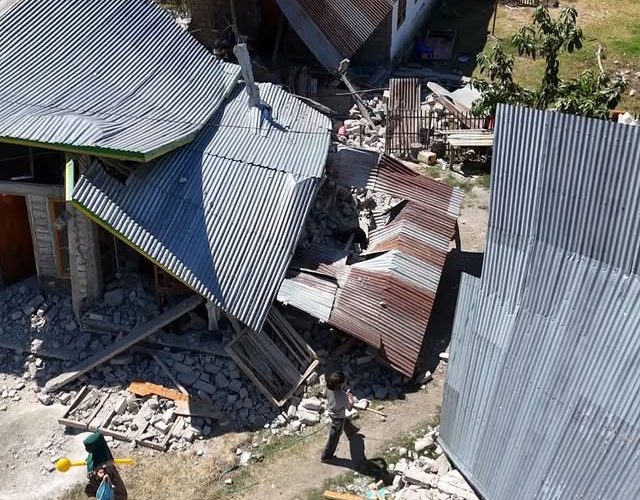
The disaster serves as a sobering reminder of the geographic reality of the Indonesian archipelago, which sits atop the "Ring of Fire." As the people of Flores begin the arduous task of rebuilding their lives, the focus must remain on the long-term resilience of the infrastructure and the continued support of the displaced population. The resilience demonstrated by the local community, bolstered by the aid of organizations like Backpacker Jakarta, remains the cornerstone of the recovery efforts as the island navigates this period of intense seismic instability.
Related posts: