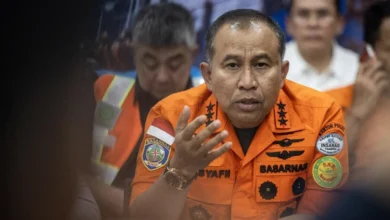
Pangkoops TNI Habema evacuates Sinta Bilolo widow of KKB victim Aris Sanda from Mbua amid escalating regional instability

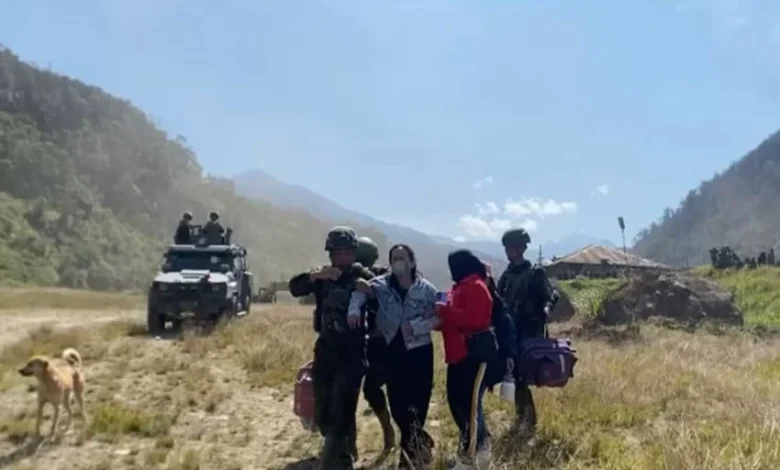
In a significant humanitarian operation conducted on Thursday, September 17, 2026, the TNI Habema Operational Command (Koops TNI Habema) successfully executed an emergency aerial evacuation of Sinta Bilolo, the widow of Aris Sanda, a victim of a brutal attack by the Kelompok Kriminal Bersenjata (KKB) in the Papua region. The operation was authorized by the Commander of Koops TNI Habema, Brigadier General TNI Riyanto, following a critical assessment of the security situation and the total paralysis of ground transportation routes between the Mbua District and the city of Wamena.
The evacuation underscores the deepening humanitarian crisis in the highlands of Papua, where civilian mobility remains severely compromised due to ongoing insurgent activity. By deploying military aviation assets to retrieve a civilian in distress, the TNI has once again been forced to pivot from traditional security operations to emergency humanitarian assistance, highlighting the complex intersection of conflict and public safety in the region.
The Chronology of the Evacuation
The mission began early Thursday morning as local security conditions rendered the mountainous road between Mbua and Wamena impassable. The region has seen an uptick in checkpoints and harassment by armed groups, effectively severing the supply lines and travel routes essential for local residents. Recognizing that Sinta Bilolo, who was grieving the recent loss of her husband, faced an unacceptable level of risk attempting to traverse the route by land, Brigadier General TNI Riyanto issued immediate directives for an aerial extraction.
The operation utilized two specific rotary-wing assets: a Bell helicopter and a Fennec helicopter. These aircraft were dispatched to the Mbua District to collect Sinta Bilolo, alongside two accompanying individuals, Haryati and Murni, who were providing support during this period of bereavement. The flight path took the group from the remote Mbua airstrip to Kenyam, a critical logistics hub in the Nduga Regency. Upon their arrival in Kenyam, the party was transferred to a fixed-wing Caravan aircraft, which facilitated the final leg of the journey to the relatively more stable city of Wamena. Throughout the transit, air cover and security protocols were maintained to ensure the safety of the passengers and crew.
Contextual Background: The Tragedy of Aris Sanda
The evacuation of Sinta Bilolo follows the tragic killing of her husband, Aris Sanda, a professional travel driver who had become a target of the KKB. The violence against civilian transport workers has become a recurring pattern in the Papua highlands, serving as a tactic by armed separatist groups to exert control over regional mobility.
Investigations into the death of Aris Sanda have revealed a disturbing trend of tactical sophistication by the perpetrators. In the aftermath of the incident, security forces recovered 5.56mm caliber shell casings at the site of the attack. The presence of military-grade ammunition suggests that the KKB is increasingly accessing standardized weaponry, complicating the efforts of local law enforcement and military units to maintain regional stability. The killing of a civilian transport worker not only serves as a personal tragedy for the Sanda family but also functions as a psychological blow to the local economy, as transport operators are now hesitant to service routes plagued by insurgent activity.
Humanitarian Implications of the Conflict
The necessity of an aerial evacuation for a civilian widow highlights the broader collapse of safe transit in the Central Highlands of Papua. For residents living in remote districts like Mbua, the road network is a lifeline for basic necessities, medical services, and economic activity. When this network is compromised, the TNI is frequently the only entity capable of bridging the gap.

However, the reliance on military assets for humanitarian transport presents a logistical strain. Each flight requires significant fuel resources, technical maintenance, and security planning, particularly in an area where the risk of ground-to-air fire remains a persistent concern. The TNI Habema command has noted that while these missions are resource-intensive, they are conducted under the mandate of protecting citizens who are caught in the crossfire of the ongoing conflict.
Official Response and Strategic Stance
Brigadier General TNI Riyanto stated that the decision to proceed with the evacuation was rooted in humanitarian necessity. "The primary consideration is the safety of the civilian population," a spokesperson for the operation noted. "When traditional infrastructure fails due to the actions of armed groups, the military is duty-bound to ensure that the vulnerable—especially those who have already suffered a great loss—are relocated to a place of safety."
The TNI’s approach in this instance reflects a shift toward "Soft Power" operations, where military assets are utilized to win public trust by providing tangible support to victims of violence. By facilitating the movement of families affected by the KKB, the military aims to reinforce its position as a protector of the local populace, countering the narrative often propagated by insurgent groups.
Broader Impacts on Regional Stability
The incident in Mbua and the subsequent evacuation serve as a case study for the current security climate in Papua. Several key implications emerge:
- Economic Paralysis: The targeting of transport workers leads to a systemic increase in the cost of goods and services in the highlands. As transport becomes more dangerous, fewer drivers are willing to work, leading to scarcity and inflation in isolated districts.
- Psychological Warfare: The KKB’s strategy of targeting individuals and then creating conditions where civilians are forced to rely on military intervention is a form of psychological pressure designed to disrupt the social fabric of the region.
- Military-Civilian Dynamics: The increasing necessity for the TNI to act as a transport and medical service provider for civilians in conflict zones changes the nature of the military presence in Papua. It necessitates a more nuanced engagement strategy that balances kinetic operations against insurgents with the urgent needs of the local population.
Future Outlook
As of September 17, 2026, the situation in the Mbua-Wamena corridor remains tense. While the evacuation was a success, the underlying issues that necessitated it remain unaddressed. The proliferation of 5.56mm ammunition and the continued disruption of vital infrastructure point to a conflict that is not de-escalating.
The TNI Habema continues to monitor the situation, with intelligence reports suggesting that armed groups remain active in the area. The command has reiterated its commitment to maintaining order, but they acknowledge that until the threats to civilian transit are neutralized, the region will continue to face similar crises. For now, the successful transport of Sinta Bilolo provides a momentary relief for a grieving family, but the broader challenge of securing the Papuan highlands remains a complex and formidable task for the Indonesian government and its security apparatus.
The focus in the coming weeks will likely remain on securing major transport arteries to prevent further loss of civilian life. Whether through increased patrols, the establishment of more permanent security posts, or continued aerial surveillance, the TNI is expected to maintain a heightened posture in response to the recent violence. For the families of victims like Aris Sanda, the road to justice remains long, but the immediate goal of regional authorities is to ensure that no further civilian casualties occur on the isolated roads that connect the mountainous heart of Papua.