
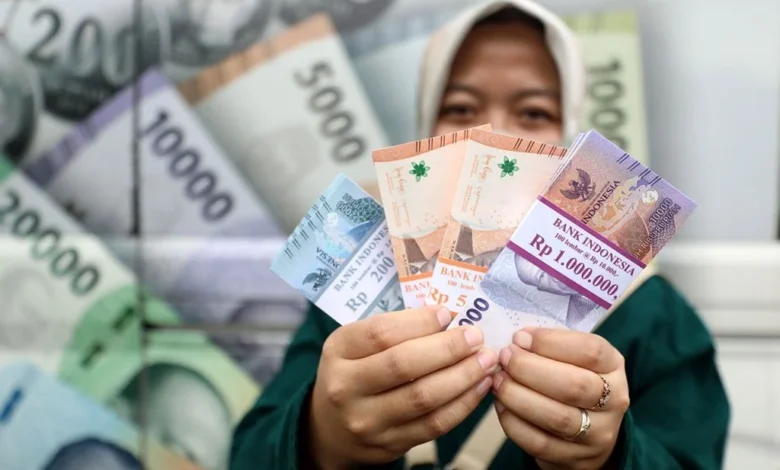
The Indonesian government is preparing a significant overhaul of its social safety net programs, with plans to transition toward a more direct and efficient cash-based assistance model. Under the guidance of the National Economic Council (DEN), led by Chairman Luhut Binsar Pandjaitan, the administration is finalizing the framework for a new social assistance scheme that aims to provide direct cash transfers of up to Rp5.4 million per family. This initiative is currently in the data-refinement stage, with pilot programs scheduled to commence during the first and second quarters of 2027.
The proposed policy reflects a strategic shift in how the government manages poverty alleviation and social welfare. By streamlining the delivery of aid, officials hope to minimize administrative leakage and ensure that financial support reaches the households most in need.
Strategic Roadmap and Implementation Timeline
The government has established a clear trajectory for the implementation of this program. According to statements made by Luhut Binsar Pandjaitan, the administrative groundwork—which includes the consolidation of beneficiary databases—is expected to be completed by the end of 2026. This is a critical step, as the accuracy of the Integrated Social Welfare Data (DTKS) has historically been a point of contention in the distribution of government aid.
Once the data is verified and reconciled, the government plans to initiate a pilot phase in early 2027. This testing period, spanning the first two quarters of the year, will serve as a stress test for the distribution infrastructure. The objective is to identify potential bottlenecks in the payment systems and ensure that the digital or physical disbursement mechanisms are robust enough to handle the scale of the national rollout.
The Proposed Mechanism: Balancing Autonomy with Oversight
One of the most notable features of the proposed policy is the intention to provide cash-based assistance that retains a degree of controlled utility. While the government aims to move away from complex, commodity-based subsidy systems, it remains wary of the potential for misuse.
Luhut Binsar Pandjaitan has suggested a hybrid approach that functions as a "conditional" cash transfer. The administration is exploring the use of digital coupons or specialized cards that restrict the expenditure of funds to essential goods. The primary goal is to ensure that the aid is utilized for nutritional and survival needs—specifically mentioning staples such as eggs, poultry, and other high-protein food sources—rather than being diverted to non-essential or harmful activities, such as online gambling or the purchase of alcohol.
This mechanism represents a technological and policy challenge. To implement this, the government would likely need to integrate its social assistance infrastructure with local retailers or digital wallet platforms capable of enforcing these spending categories. The effectiveness of this system will depend heavily on the maturity of the national digital payment ecosystem.
Economic Context and Fiscal Implications
The potential allocation of Rp5.4 million per family is an ambitious figure that highlights the government’s commitment to raising the floor for low-income families. While the exact total budget for this program remains subject to final approval by President Prabowo Subianto, the scale of the fiscal shift is substantial.
The government is currently engaged in a comprehensive review of state spending, with a focus on "efficiency savings." By auditing existing programs and streamlining overlapping social welfare initiatives, the administration believes it can unlock significant fiscal space. Luhut Binsar Pandjaitan noted that through rigorous fiscal discipline, the government is calculating a potential total of Rp1,200 trillion in saved or reallocated funds, which could support the broader social assistance architecture.
This massive fiscal reallocation is intended to stimulate domestic consumption. By putting cash directly into the hands of lower-income families, the government expects a multiplier effect, as these households typically have a higher marginal propensity to consume, particularly for basic goods, which in turn supports local agricultural and retail sectors.
Comparative Analysis of Social Safety Nets
Indonesia’s move toward direct cash transfers mirrors global trends in social policy. Many developing and emerging economies have shifted toward "Conditional Cash Transfers" (CCTs) over the last two decades. CCTs are generally considered more efficient than price subsidies (such as fuel or electricity subsidies) because they provide households with the flexibility to meet their most urgent needs while allowing the government to target the poorest demographics precisely.
However, the Indonesian government faces several challenges in this transition. First is the "targeting error," a chronic issue in social policy where either the poor are excluded (exclusion error) or the non-poor are included (inclusion error). The current push to "clean up the data" is a direct response to these concerns. Second is the logistical challenge of reaching remote areas of the archipelago, where access to banking infrastructure or digital payment systems may be limited.
Official Stance and Governance
The involvement of the National Economic Council (DEN) in this project underscores the administration’s view that social assistance is not merely a charitable act, but an essential component of economic stability. By treating the distribution of aid as an economic policy, the government seeks to foster a more resilient population capable of contributing to the national economy.
While the program is still in the developmental stage, the discourse surrounding it has been one of fiscal prudence. The government is not merely increasing the budget; it is attempting to optimize the current expenditure structure. The final decision rests with the President, who must balance the immediate needs of the populace against the broader fiscal sustainability of the state budget.
Potential Societal and Economic Impacts
The introduction of a well-targeted cash transfer program of this magnitude could have profound impacts on the national poverty rate. If successfully executed, the program could lead to:
- Improved Nutritional Outcomes: By specifically targeting funds for food items, the program may help reduce stunting and malnutrition in children from low-income families.
- Increased Financial Inclusion: The necessity of receiving cash transfers will likely force millions of unbanked citizens to open digital wallets or bank accounts, integrating them into the formal financial system.
- Local Economic Stimulation: As beneficiaries spend their funds at local markets and grocery stores, the liquidity in the grassroots economy will increase, potentially aiding small and medium-sized enterprises (SMEs).
- Administrative Efficiency: Reducing the complexity of physical aid distribution—which involves warehousing, transportation, and logistics for items like rice or sugar—will lower the overhead costs for the state.
Challenges Ahead: What to Watch
Despite the optimistic outlook, the transition to this new system will not be without hurdles. Critics and analysts will be watching closely for how the government defines "eligible families" and whether the verification process remains transparent. Furthermore, the ability to enforce "spending categories" without infringing on personal privacy or creating unnecessary bureaucratic hurdles for the poor will be a significant test of the government’s digital governance capabilities.
Moreover, the success of the program will depend on the stability of the supply chain for the essential goods it aims to support. If the government encourages the purchase of eggs and poultry, it must ensure that the supply of these goods remains consistent to prevent localized inflation.
Conclusion: A New Era for Social Welfare
As Indonesia approaches 2027, the focus of the public and the media will remain on the progress of the pilot programs. The proposed Rp5.4 million assistance package is a clear signal of the government’s intent to modernize its social safety net. If the DEN and the administration can successfully navigate the challenges of data verification, infrastructure development, and fiscal management, this policy could mark a defining moment in the nation’s efforts to eradicate extreme poverty and foster a more equitable economic landscape for all citizens.
For now, the policy remains a work in progress, with the coming months critical for the refining of the technical mechanisms that will ultimately determine the program’s success. The Indonesian public awaits further details on the specific criteria for eligibility and the definitive timeline for the pilot rollout, marking a pivotal chapter in the national effort to build a more robust and responsive social welfare system.
Related posts: