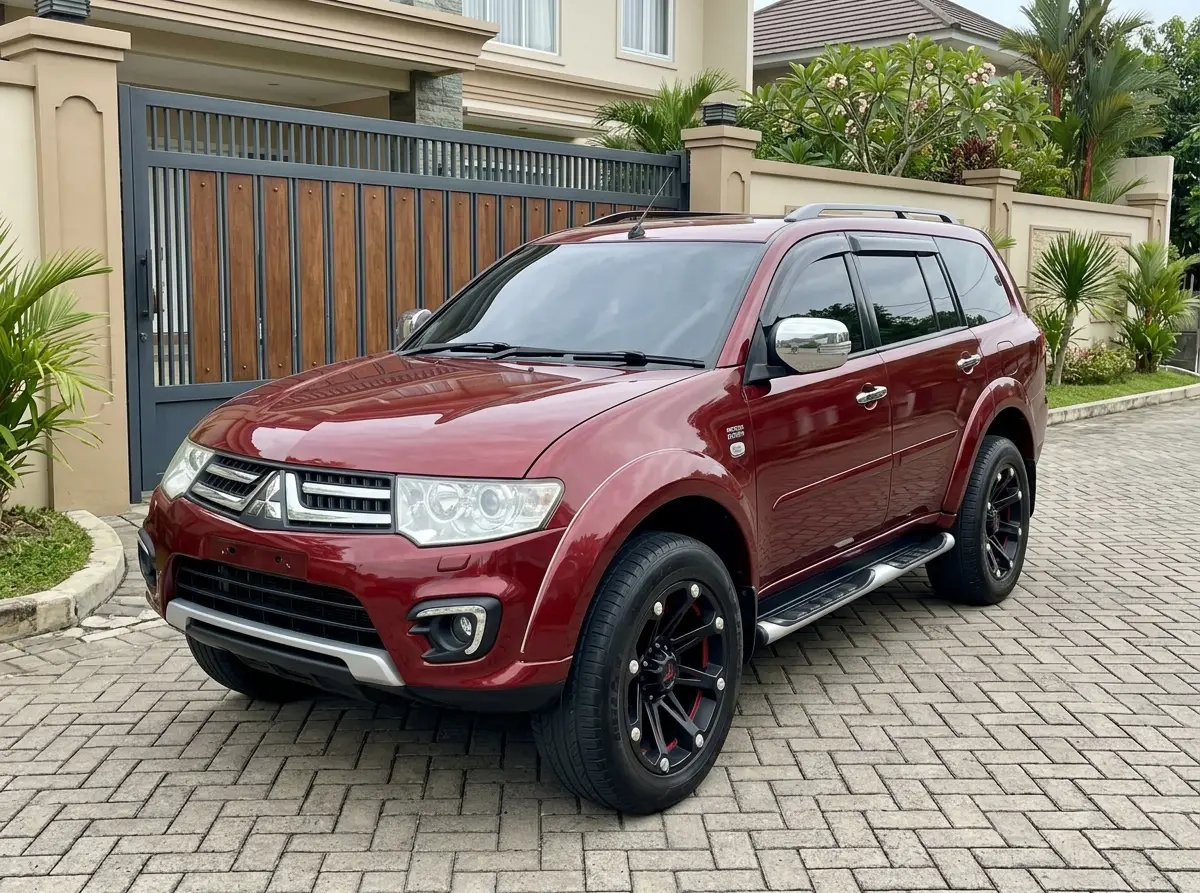
In the competitive landscape of the used automotive market, few vehicles have managed to maintain as strong a reputation for durability and performance as the 2014 Mitsubishi Pajero Sport Dakar. Even as it enters its second decade on the road, this ladder-frame SUV continues to command respect among enthusiasts who prioritize rugged capability over the refined, car-like comfort of modern crossover utility vehicles. As of 2026, the model remains a benchmark for value-oriented buyers seeking a reliable diesel workhorse that does not sacrifice aesthetic presence.
The 2014 iteration represents the final years of the second-generation Pajero Sport, a vehicle that solidified Mitsubishi’s dominance in the diesel SUV segment across Southeast Asia and beyond. While newer models have introduced advanced driver-assistance systems (ADAS) and hybrid powertrains, the 2014 Dakar variant remains a compelling choice due to its mechanical simplicity, robust architecture, and a proven powertrain that has stood the test of time.
Historical Context and Evolution
The second generation of the Mitsubishi Pajero Sport, known internally as the KH series, was launched globally around 2008. By 2014, the vehicle had reached a stage of maturity where the manufacturer had ironed out the initial production inconsistencies, resulting in a refined final product. The Dakar trim served as the pinnacle of the lineup, distinguishing itself from the entry-level GLS and mid-tier Exceed variants through a more aggressive exterior aesthetic, superior interior appointments, and, most importantly, the high-output version of the 2.5-liter engine.
During this period, the SUV market was beginning a shift toward urban-friendly designs, yet the Pajero Sport stayed true to its off-road roots. Its ladder-frame chassis, inherited from the Mitsubishi Triton pickup truck, offered the structural integrity necessary for demanding terrain, a feature that contemporary unibody SUVs often lack.
Design Language and Exterior Durability
Despite the rapid evolution of automotive design over the last twelve years, the 2014 Pajero Sport Dakar retains a timeless, muscular aesthetic. The front fascia is dominated by a bold horizontal chrome-accented grille, which flows seamlessly into projector HID headlamps. This design choice, while classic, remains highly functional, providing superior illumination compared to many budget-oriented halogen setups found in newer base-model vehicles.
The vehicle’s stance is reinforced by 18-inch alloy wheels wrapped in 265/60 tires, providing a balanced visual proportion that avoids the "top-heavy" look common in some of its rivals. From a maintenance perspective, the exterior panels of the 2014 model are noted for their high-quality paint application and corrosion resistance, which is a critical factor for buyers looking at vehicles that have seen over a decade of service. The inclusion of a roof spoiler with an integrated LED high-mount stop lamp serves both an aerodynamic and a safety purpose, ensuring visibility in adverse weather conditions.
Interior Ergonomics and Cabin Experience
Stepping inside the 2014 Pajero Sport Dakar reveals a cabin designed for utility and long-term durability. The interior features a sophisticated black color scheme accented with silver trim, which has aged significantly better than the lighter-colored interiors popular in the early 2010s. The seats are upholstered in premium leather, providing a level of comfort that remains competitive with mid-range modern SUVs.
One of the primary selling points for the 2014 model is its interior volume. The three-row configuration is spacious enough to accommodate adult passengers in the second row, while the third row provides flexible seating options for children or occasional use. The dual-zone automatic climate control, featuring a ceiling-mounted double blower, remains a highly effective system for regional climates, ensuring that cabin temperatures remain stable even during extreme heat.
Technological integration was a strong point for the 2014 Dakar. The vehicle came equipped with a 7-inch touchscreen infotainment system that supports Bluetooth connectivity, CD/DVD playback, and integrated navigation. While it lacks modern smartphone integration such as Apple CarPlay or Android Auto, the presence of these features provides a functional baseline that can be easily upgraded with modern aftermarket head units, a common practice among current owners to bring the vehicle into the modern era.
Mechanical Specifications and Engine Performance
At the heart of the Pajero Sport Dakar 2014 lies the legendary 4D56 Hi-Power 2.5-liter 4-cylinder engine. Featuring common-rail direct injection, variable geometry turbocharging (VGT), and a high-efficiency intercooler, this engine is widely regarded as one of the most reliable diesel units ever produced by Mitsubishi.
The engine produces 178 PS at 4,000 rpm and a robust 350 Nm of torque, available from as low as 1,800 rpm. This torque curve is crucial for a vehicle of this size, providing effortless acceleration and superior towing capability. The engine is mated to a 5-speed INVECS-II automatic transmission, which utilizes an intelligent shift control system that adapts to the driver’s habits.
Fuel efficiency remains a primary concern for potential buyers in 2026. Real-world data indicates that the vehicle manages between 9 and 11 km/liter in urban traffic, while highway cruising can push that figure to 12–14 km/liter. These figures are remarkably consistent, provided the vehicle has been maintained with high-quality diesel fuel and regular filter changes. The longevity of the 4D56 engine is often attributed to the robust fuel system, which, while sensitive to fuel quality, provides excellent long-term reliability if serviced according to the manufacturer’s intervals.
Safety Features and Structural Integrity
When the 2014 Pajero Sport Dakar was introduced, its safety suite was considered among the best in its class. Built on Mitsubishi’s RISE (Reinforced Impact Safety Evolution) body architecture, the vehicle is designed to absorb and dissipate energy during a collision.
The safety package includes dual SRS airbags, an immobilizer for anti-theft protection, and a comprehensive braking system comprising Anti-lock Braking System (ABS), Electronic Brakeforce Distribution (EBD), and Brake Assist. While it lacks the automated braking and lane-keeping systems of 2026 models, the foundational safety features of the 2014 Dakar are substantial. The inclusion of child safety door locks and height-adjustable seatbelts further emphasizes the vehicle’s intent as a family-oriented transporter.
Market Implications and Ownership Considerations
The continued popularity of the 2014 Pajero Sport Dakar in the used market has implications for both buyers and the broader automotive industry. For buyers, the vehicle represents an entry point into the premium SUV segment at a fraction of the cost of a new model. However, prospective owners must conduct thorough inspections, particularly regarding the suspension bushings, cooling system integrity, and the condition of the turbocharger, which can show signs of wear after 100,000 kilometers of use.
Industry experts observe that vehicles like the 2014 Pajero Sport have seen a resurgence in interest as consumers grow wary of the increasing electronic complexity in modern cars. The "mechanical-first" approach of the 2014 Dakar makes it easier to repair and maintain outside of specialized dealership networks, which is a significant factor in its sustained market value.
Conclusion: A Legacy of Reliability
The 2014 Mitsubishi Pajero Sport Dakar is more than just a used car; it is a testament to an era of engineering where mechanical robustness was prioritized. As it faces the challenges of the 2026 market, it continues to serve its owners with reliability, power, and a commanding presence on the road. While the automotive industry marches toward electrification and full automation, there remains a dedicated segment of the market that values the tangible, visceral experience of a high-torque diesel SUV—a niche that the 2014 Pajero Sport Dakar occupies with effortless authority. For those looking for a capable, durable, and stylish vehicle, this SUV remains a prudent and rewarding investment.