Lake Toba Folk Festival Shatters MURI Record with 1,250 Tor Tor Sipitu Cawan Dancers During Aquabike Jetski World Championship 2023

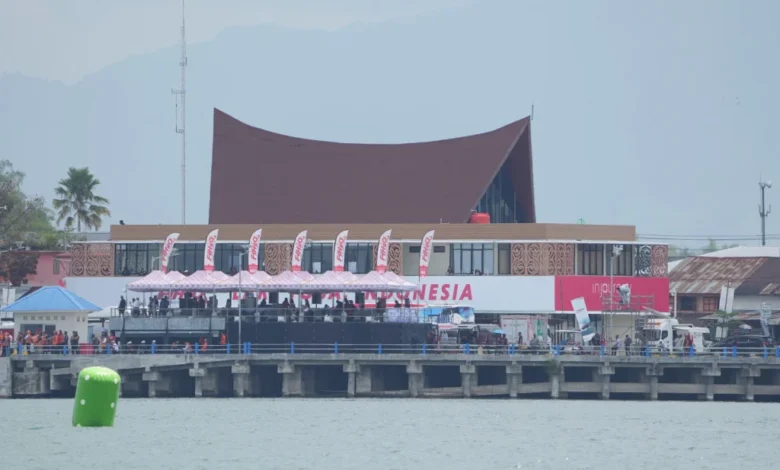
The majestic shores of Lake Toba in North Sumatra witnessed a historic cultural milestone on Thursday, November 23, 2023, as the Lake Toba Folk Festival (Pesta Rakyat Danau Toba) officially shattered a prestigious Indonesian World Records Museum (MURI) record. A magnificent assembly of 1,250 traditional dancers performed the sacred Tari Tor Tor Sipitu Cawan at Pantai Tao Silalahi, located within the Dairi Regency. This breathtaking display of synchronization, cultural heritage, and community pride eclipsed previous national records, most notably a prior MURI achievement that featured 1,000 dancers performing the same iconic regional dance. Months of meticulous community preparation, local government coordination, and intensive rehearsals culminated in a performance that mesmerized thousands of domestic and international spectators, reinforcing the profound cultural resilience embedded in the Batak community.
The record-breaking dance spectacle served as a vibrant centerpiece for the broader Aquabike Jetski World Championship 2023, a monumental international water sports extravaganza organized by PT Aviasi Pariwisata Indonesia (Persero), widely known as InJourney. Marking a historic first for Indonesia, the global water-racing championship brought the eyes of the world to the pristine caldera of Lake Toba, one of the nation’s designated Super Priority Tourism Destinations. Spanning five action-packed days from November 22 to November 26, 2023, the international sporting event successfully transformed the regional landscape into a bustling hub of athletic excellence and cultural diplomacy.
A Global Sporting Spectacle on Ancient Waters
The inclusion of Lake Toba on the international sporting calendar represents a strategic milestone for Indonesia’s tourism and creative economy sectors. The Aquabike Jetski World Championship 2023 drew an impressive roster of 118 elite riders representing 22 distinct countries, turning the volcanic lake into a high-octane racing arena. Adding a touch of national representation and inspiring local sports enthusiasts, five Indonesian riders competed alongside world-class professionals, navigating the challenging freshwater currents and volatile winds of the massive caldera.

The execution of an event of this magnitude required unprecedented logistical coordination across four distinct administrative regions surrounding the lake: Karo Regency, Dairi Regency, Samosir Regency, and Toba Regency. Each host district played a vital role in accommodating visiting athletes, technical crews, international media, and an estimated wave of 100,000 spectators expected to flood the shores throughout the five-day festival. The collaborative efforts of regional governments, central ministries, and state-owned enterprises demonstrated Indonesia’s growing capability to host world-class international sporting events smoothly and securely.
Chronology of the Festival and Cultural Integration
The five-day itinerary of the Pesta Rakyat Danau Toba was carefully structured to balance high-speed athletic competition with immersive cultural engagement.
On Wednesday, November 22, the festival commenced with opening ceremonies, preliminary racing heats, and the inauguration of local micro, small, and medium-sized enterprise (MSME) exhibitions. These economic showcases provided a vital commercial platform for regional artisans, culinary vendors, and traditional craftsmen to display their goods to an international audience.
Thursday, November 23, marked the cultural zenith of the festival. Amidst the roaring engines of the preliminary jetski heats, the tranquil shores of Pantai Tao Silalahi in Dairi Regency shifted the global focus toward traditional heritage. At precisely the scheduled hour, 1,250 dancers—predominantly local youth and cultural practitioners dressed in traditional Ulos attire—stepped in unison to perform the Tor Tor Sipitu Cawan. The dance, historically significant for its ceremonial use of seven sacred bowls (cawan) symbolizing spiritual blessing and gratitude, captured the imagination of international visitors and media crews. Following the flawless execution of the performance, representatives from MURI formally presented the record-adjudication plaque to local leaders, cementing the achievement in national history.

As the weekend approached, Friday, November 24, and Saturday, November 25, transitioned into high-intensity championship finals, accompanied by massive evening entertainment blocks. To ensure widespread public participation and community inclusivity, organizers offered free access to a series of grand concerts featuring an array of renowned national bands and beloved regional artists, including D’Masiv, Ada Band, Armada, Mario G Klau, and Putri Ayu. These musical performances bridged cultural divides, uniting international racing teams, local residents, and tourists in shared celebration under the Sumatran sky.
The grand finale on Sunday, November 26, concluded with award ceremonies for the world champions, closing addresses by tourism officials, and cultural send-offs designed to leave a lasting positive impression on the global delegation.
Economic Implications and Strategic Tourism Objectives
The concurrent execution of the Aquabike Jetski World Championship and the Pesta Rakyat Danau Toba aligns closely with the Indonesian government’s broader economic masterplan to revitalize the tourism sector following global disruptions in recent years. By anchoring international sporting events within culturally rich landscapes, authorities aim to stimulate regional economic growth, attract foreign direct investment, and create sustainable employment opportunities for local communities.
Preliminary economic impact analyses suggest that an influx of 100,000 visitors generates substantial revenue streams for the hospitality, transportation, and culinary sectors across the four host regencies. Hotels, homestays, and local eateries experienced near-capacity occupancy rates throughout the event week. Furthermore, the active participation of local MSMEs in designated festival bazaars allowed small business owners to showcase their products—ranging from hand-woven textiles to specialty highland coffee—directly to an international consumer base, significantly boosting their market visibility and revenue potential.

Official Perspectives and Government Objectives
Stakeholders from various levels of government and corporate sectors emphasized the strategic importance of the dual event. Representatives from InJourney noted that hosting world championships in unique geographic locations like Lake Toba serves as an effective catalyst for destination branding. By leveraging the media reach of international sports broadcasting, the initiative successfully projects the natural beauty, safety, and cultural richness of Indonesia to millions of households worldwide.
Regional leaders in Dairi, Karo, Samosir, and Toba regencies expressed profound gratitude for the successful MURI record-breaking event, viewing it as a testament to the community’s dedication to preserving ancestral traditions amidst rapid modernization. Local cultural councils highlighted that the involvement of 1,250 young dancers ensures the intergenerational transmission of intangible cultural heritage, inspiring pride among the younger demographic of North Sumatra.
Broader Socio-Cultural and International Impact
Beyond immediate economic metrics and tourism statistics, the successful execution of the event carries profound socio-cultural implications. The harmonious integration of global water sports with indigenous Batak traditions exemplifies a modern model of tourism development—one that respects and elevates local heritage rather than overshadowing it. International riders and media personnel were offered a holistic experience that extended far beyond the sporting venue, engaging deeply with the historical narratives, culinary arts, and social warmth of the Toba caldera.
As the curtains closed on the Aquabike Jetski World Championship 2023 and the accompanying Pesta Rakyat Danau Toba, the region established a formidable precedent for future international collaborations. The successful mobilization of thousands of performers, athletes, and spectators underscores Lake Toba’s readiness to maintain its status as a premier global destination, ensuring that the echoes of the Tari Tor Tor Sipitu Cawan and the roar of international watercraft will resonate within the international tourism landscape for years to come.