
Shifting Preferences: Why Compact SUVs Are Becoming the Preferred Choice for Modern Families in Pati

The automotive landscape in Pati, a regency located along the northern coast of Central Java, is undergoing a significant transformation. Historically dominated by multipurpose vehicles (MPVs) known for their high passenger capacity, the local market is witnessing a distinct pivot toward compact sport utility vehicles (SUVs). This change is not merely aesthetic; it is a pragmatic response to the evolving infrastructure of the region and the changing lifestyle demands of a growing demographic of young families. As Pati continues to integrate with the broader Trans-Java economic corridor, the requirements for personal mobility have shifted, favoring vehicles that offer a blend of rugged versatility, modern efficiency, and long-term economic sustainability.
The Evolution of Infrastructure and Mobility in Pati
Pati occupies a unique geographical position. It serves as a vital transit point in the northern coastal route (Pantura), while its interior districts feature complex topographical challenges, ranging from arterial roads connecting to the provincial capital of Semarang to narrow, unpaved paths serving the regency’s vast agricultural hinterlands. For years, residents relied on conventional MPVs to navigate these diverse terrains. However, the rapid expansion of the Trans-Java Toll Road, which has significantly reduced travel times between Pati and major urban centers like Surabaya and Semarang, has fundamentally altered the expectations of local drivers.
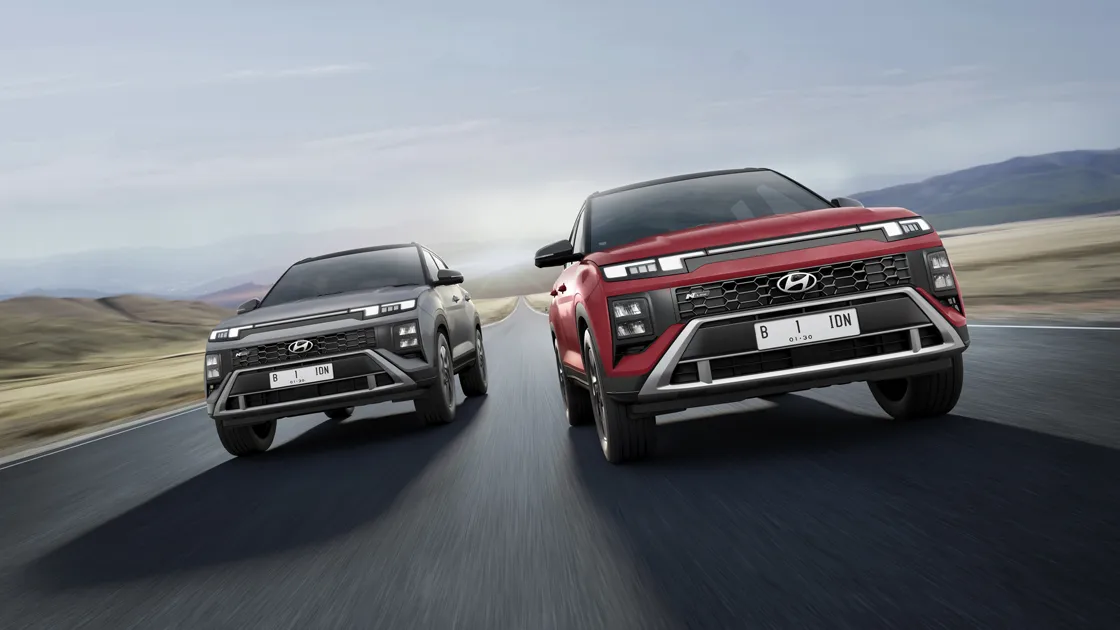
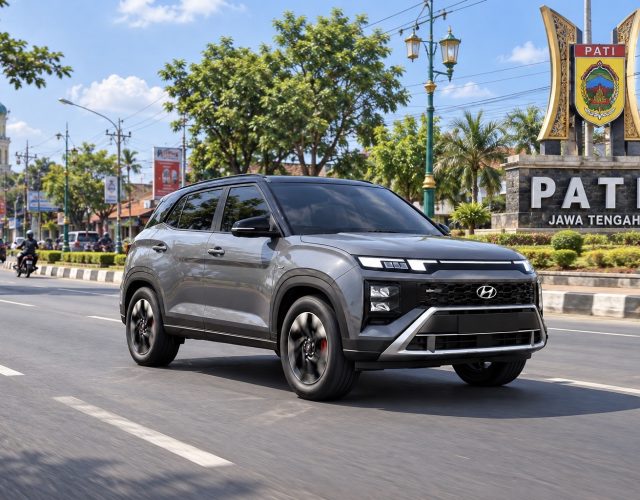
The current trend reflects a transition from "utility-first" transport to "lifestyle-integrated" mobility. Compact SUVs, led by models such as the Hyundai New Creta, are gaining traction because they address the inherent limitations of traditional family cars. These vehicles are engineered to bridge the gap between urban navigation and rural exploration, providing a level of ground clearance and structural stability that standard sedans and MPVs often lack.
Technical Performance and Real-World Reliability
A primary driver behind this shift is the need for consistent performance across varied road conditions. According to automotive analysts, the "ground clearance" factor has become a critical decision-making metric for buyers in Central Java. In many of Pati’s outlying districts, such as Kayen or Tambakromo, seasonal flooding and uneven road surfaces remain a reality.
The New Creta, for instance, provides a high-stance design that allows for safer traversal of flooded sections and undulating rural roads. Beyond simple clearance, the vehicle’s chassis dynamics, specifically its 2,610 mm wheelbase, offer improved handling on compromised road surfaces. By minimizing the impact of road imperfections, the vehicle enhances passenger comfort—a vital consideration for families traveling with infants or children.
Furthermore, the integration of advanced powertrains has improved the daily commute. The Smartstream G1.5 MPi engine, which delivers 115 PS, represents a shift toward higher efficiency. In the context of modern driving, where fuel prices are a significant portion of household overheads, the use of Intelligent Variable Transmission (IVT) systems allows for optimized fuel consumption during long-distance toll road travel. By maintaining optimal engine revolutions, these systems provide a smoother experience that reduces mechanical fatigue over time, a crucial selling point for families seeking a vehicle that will serve them for a decade or more.
Economic Implications and Ownership Costs
The decision to move away from MPVs is also a reflection of shifting household economics. While larger MPVs often come with higher maintenance costs and greater fuel consumption, the compact SUV segment offers a middle ground. Industry experts note that the "total cost of ownership" (TCO) has become a focal point for the Indonesian consumer base, particularly in regions outside of major metropolitan hubs.
Hyundai’s expansion into Central Java, characterized by an increased density of service centers and showrooms, has mitigated historical concerns regarding spare part availability. For residents in Pati, the proximity of authorized service networks is no longer a luxury but a necessity. Programs such as myHyundaiCare, which provides integrated digital service management, and resale value guarantees of up to 70%, have institutionalized the ownership experience. These incentives are specifically designed to provide peace of mind to buyers, reducing the "risk" typically associated with purchasing premium vehicles in regional areas.
Ergonomics and Spatial Efficiency
The spatial requirements of young families in Pati have also evolved. Modern households prioritize modularity over raw seating capacity. While a traditional MPV offers seven seats, it often sacrifices cargo space for a third row that is rarely used at full capacity. Conversely, the compact SUV design prioritizes a 433-liter cargo capacity that can be expanded to 1,401 liters through flexible seating configurations.
This design philosophy aligns with the lifestyle of dual-income families who balance professional lives with recreational activities. The ability to quickly transition between a daily commute car and a vehicle capable of transporting large goods—such as equipment for small businesses or household supplies—without sacrificing the comfort of a five-passenger cabin is a defining characteristic of this market segment. Moreover, the compact dimensions—approximately 4,330 mm in length—ensure that these vehicles remain agile in the congested markets and narrow residential alleys common in older parts of the Pati town center.
The Role of Design in Consumer Identity
Beyond technical specifications, the psychological aspect of vehicle ownership cannot be ignored. The youth demographic in Pati is increasingly influenced by global automotive trends that favor sporty, futuristic aesthetics. In the current market, a vehicle is an extension of the owner’s identity. The transition from the "utilitarian" design of traditional MPVs to the aggressive, sharp lines of the N Line variants in the compact SUV segment marks a generational departure.
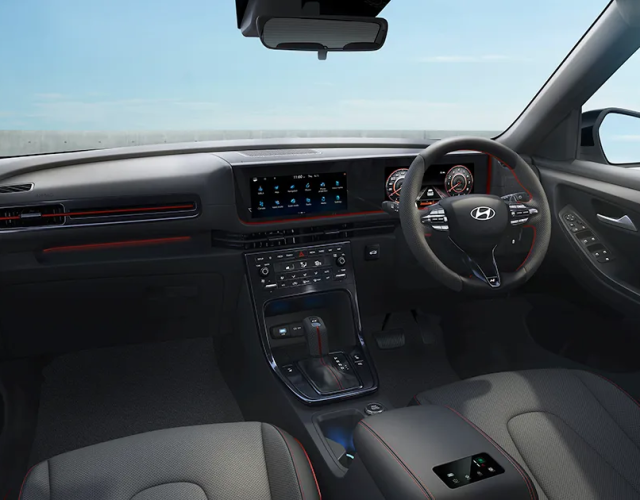
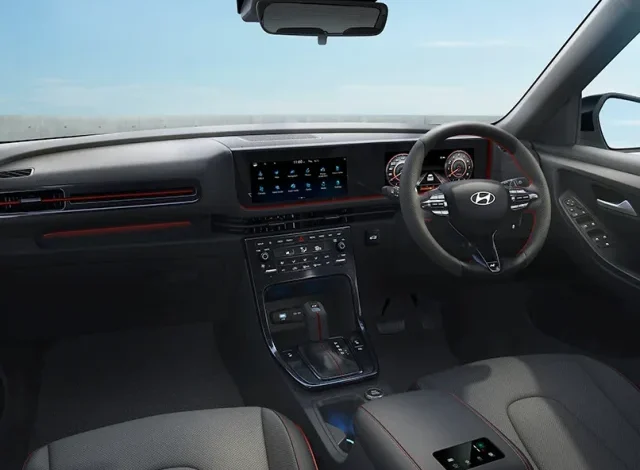
Designers note that the "sporty" appeal is not just for aesthetics; it signifies a move toward modern, innovative, and tech-forward living. This shift is mirrored in the interiors, which now feature digital cockpits and connectivity suites that cater to a generation of digital natives. The ability of these vehicles to look at home in both a corporate setting and a rural village environment is a key factor in their sustained popularity.
Industry Outlook and Future Trends
The automotive industry in Indonesia is currently in a phase of transition toward electrification and high-efficiency combustion engines. Data from the Association of Indonesian Automotive Industries (GAIKINDO) suggests that while MPVs remain the highest-selling segment nationally, the SUV segment is the fastest-growing in terms of year-on-year percentage gains.
In Pati, this growth is expected to continue as road infrastructure projects continue to mature. The implications for the local automotive market are clear: manufacturers must prioritize the availability of service infrastructure and offer flexible financing to maintain this momentum. As family structures continue to become smaller and more mobile, the demand for vehicles that are "versatile by design" will likely remain the standard.
For the prospective buyer in Pati, the choice between an MPV and a compact SUV is now a choice between legacy convenience and modern efficiency. As more families opt for the latter, the streets of Pati are set to look increasingly like a mirror of modern, global automotive trends—a testament to how regional consumer behavior is rapidly aligning with the broader national economic trajectory. By combining functional capability with an aspirational design language, compact SUVs have successfully positioned themselves as the quintessential vehicle for the contemporary Indonesian family.