Venezuela Earthquake Death Toll Surpasses 5,000 as Search Operations Continue for Thousands Missing in the Rubble

The Venezuelan government has officially confirmed that the death toll from the catastrophic dual earthquakes that struck the nation in June has risen to 5,069, marking one of the deadliest seismic events in South American history. As the recovery efforts enter a critical new phase, authorities are grappling with a humanitarian crisis of immense proportions, with tens of thousands of citizens displaced and a staggering number of individuals still unaccounted for beneath the ruins of collapsed urban centers. According to the latest situational report released on Saturday, July 18, 2026, the scale of the destruction has prompted a massive international response, yet the challenges of reconstruction and long-term stability remain daunting for the embattled nation.
A Chronology of Catastrophe: Thirty-Nine Seconds of Terror
The disaster began on June 24, 2026, when the tectonic silence of the Caribbean and South American plates was shattered by a rare and violent seismic sequence. At approximately 10:42 AM local time, a massive magnitude 7.2 earthquake struck, followed a mere 39 seconds later by a more powerful magnitude 7.5 tremor. This "double-tap" phenomenon prevented residents from reaching safety after the first shock, as the second, more intense wave of energy arrived just as people were beginning to evacuate buildings.
The proximity of the two events in both time and location created a resonance effect that proved fatal for older architectural structures and modern high-rises alike. Seismologists noted that the overlapping seismic waves amplified the ground motion, leading to a level of structural stress that far exceeded the design specifications of most buildings in the region. The epicenter, located near the densely populated northern coastal corridor, ensured that the impact was felt most severely in the nation’s political and economic heartlands. In the immediate aftermath, the Venezuelan government declared a national state of emergency, a status that remains in effect as the full extent of the tragedy continues to be mapped.
Casualties and the Growing Shadow of the Missing
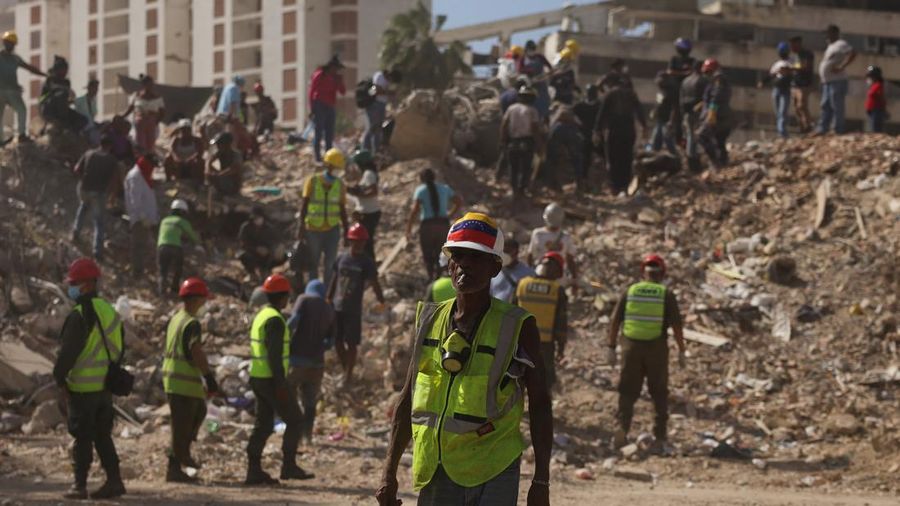
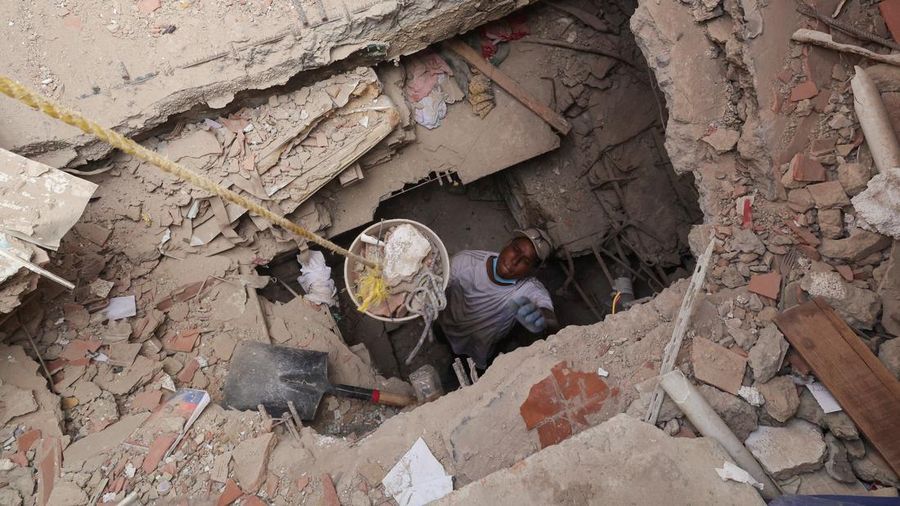
While the confirmed death toll of 5,069 is already a grim milestone, there are fears that the final number could be significantly higher. The United Nations (UN) has issued a harrowing estimate, suggesting that as many as 50,000 people remain missing. Many of these individuals are believed to be trapped deep within the "pancaked" layers of the 190 buildings that suffered total structural collapse.
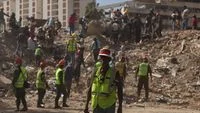
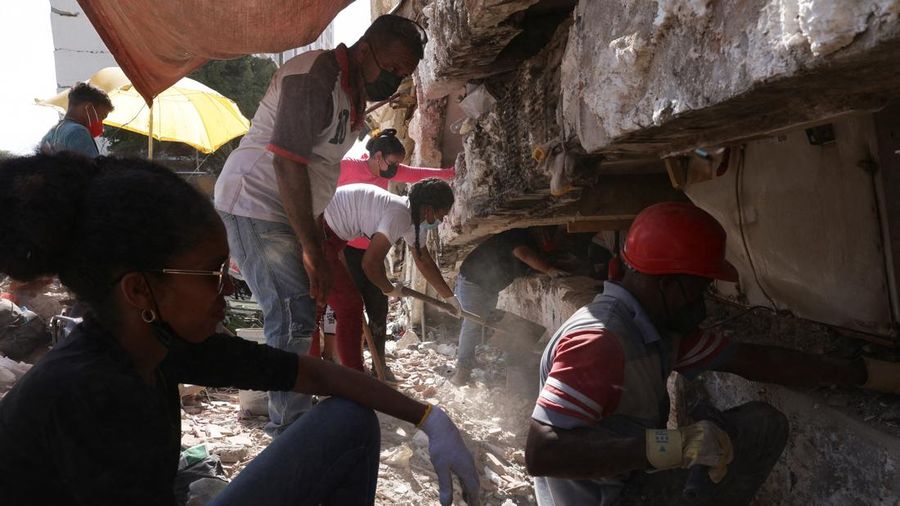
The discrepancy between the confirmed dead and the missing highlights the extreme difficulty of the search and recovery operations. In many urban districts, heavy machinery cannot be used for fear of further destabilizing the rubble, forcing rescue teams to rely on thermal imaging, canine units, and manual labor. The "Golden Hour" for finding survivors has long since passed, but crews continue to work around the clock, driven by the occasional discovery of "pockets of life" where air voids allowed individuals to survive for extended periods. However, as the weeks pass, the mission is increasingly transitioning from a rescue operation to a recovery and identification effort.
Displacement and the Humanitarian Crisis in Shelters
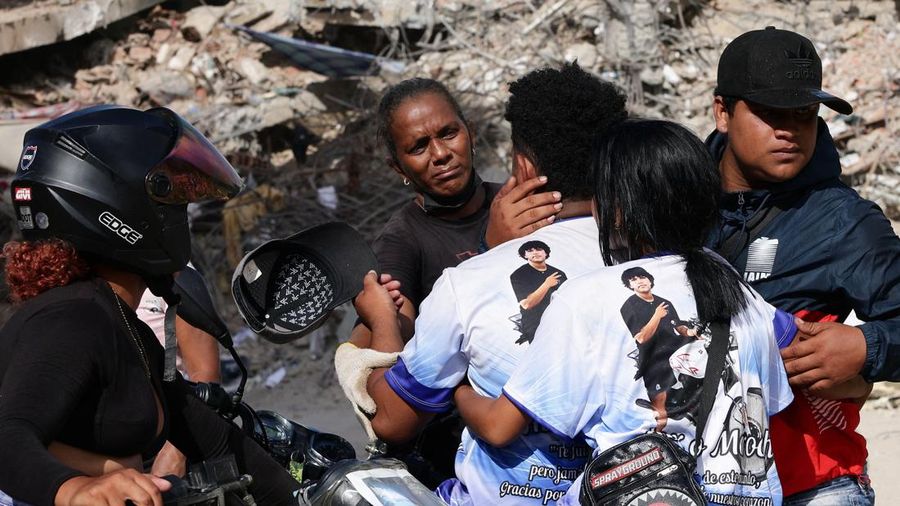
Beyond the loss of life, the earthquakes have fundamentally altered the lives of hundreds of thousands of Venezuelans. Government data indicates that 17,907 citizens are now officially homeless, having seen their residences completely destroyed. Furthermore, more than 21,210 people are currently being housed in 107 temporary shelter locations established across the affected provinces.
These shelters, often situated in converted schools, gymnasiums, and tent cities, are facing significant logistical hurdles. Providing consistent access to clean water, sanitation, and medical care for such a large displaced population is a monumental task. Public health experts have expressed concerns regarding the potential for outbreaks of waterborne diseases and the psychological toll of the disaster on survivors. The government, supported by international NGOs, is working to provide trauma counseling and basic education for the thousands of children currently living in these camps, but the lack of a clear timeline for permanent housing is fueling anxiety among the displaced.
Structural Integrity and the Toll on Infrastructure
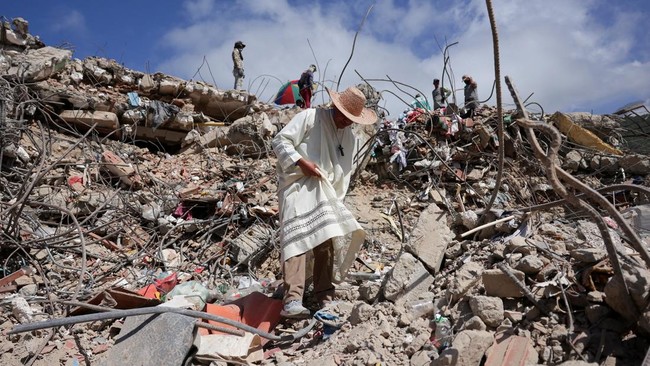
The physical landscape of Venezuela’s northern cities has been permanently scarred. Official reports confirm that 856 buildings sustained significant damage, with 190 of those being classified as total losses. The destruction was not limited to residential properties; several key government buildings, hospitals, and schools were either destroyed or rendered unsafe for occupancy.
Preliminary engineering assessments suggest that a combination of factors contributed to the high rate of collapse. While the intensity of the 7.5 magnitude quake was extreme, experts point to aging infrastructure and inconsistent enforcement of seismic building codes in previous decades as exacerbating factors. Many of the buildings that collapsed were constructed during the mid-20th-century boom, utilizing materials and techniques that were not equipped to handle the unique stresses of a dual-earthquake event. The loss of these structures has not only displaced thousands but has also paralyzed local economies, as commercial hubs and small businesses were buried under millions of tons of concrete and steel.
A Global Mobilization: The Rescue and Recovery Force
In the face of such overwhelming devastation, the international community has responded with a massive infusion of personnel and resources. As of the latest update, a total of 2,278 specialized rescue personnel from overseas have arrived in Venezuela. These teams, hailing from nations across the Americas, Europe, and Asia, bring with them advanced technology, including seismic sensors and heavy-lift equipment specifically designed for urban search and rescue.
This international contingent is working alongside a vast domestic force. The Venezuelan government has deployed 30,989 personnel from various state agencies, including the military, civil defense, and national police. Perhaps most inspiring has been the mobilization of the Venezuelan people themselves; 31,745 volunteers have registered to assist in everything from clearing debris to distributing food and water in the shelters. This combined force of over 65,000 individuals represents one of the largest coordinated emergency responses in the history of the region.
Regional Stability and Economic Implications
The economic impact of the June earthquakes is expected to be felt for years, if not decades. Venezuela, a country that has already faced significant economic challenges in recent years, now faces a reconstruction bill that could run into the tens of billions of dollars. The destruction of key infrastructure in the northern coastal region—a vital hub for trade and industry—has disrupted supply chains and severely hampered the nation’s ability to export goods.
Economists warn that the disaster could lead to a significant contraction in the national GDP, as resources are diverted from development projects to emergency relief and basic reconstruction. Furthermore, the loss of thousands of productive citizens and the displacement of tens of thousands more will have long-term effects on the labor market and social fabric of the country. International financial institutions are currently in discussions with the Venezuelan government regarding emergency credit lines and debt restructuring to help provide the liquidity needed to begin the long process of rebuilding.
The Path Forward: Reconstruction and Resilience
As Venezuela looks toward the future, the focus is slowly shifting from immediate crisis management to the monumental task of reconstruction. The government has signaled that any rebuilding effort must be centered on the concept of "seismic resilience." This involves not only rebuilding what was lost but ensuring that new structures are built to modern international standards capable of withstanding the region’s volatile tectonic activity.
Urban planners are advocating for a decentralized approach to reconstruction, moving away from high-density, high-rise developments in favor of more flexible and seismically safe urban designs. There is also a push to upgrade the national early warning system, which, although functional during the June quakes, was unable to provide sufficient lead time for a dual-event of such unprecedented speed.
The tragedy of June 2026 serves as a somber reminder of the raw power of nature and the vulnerability of human settlements. As the people of Venezuela mourn their lost loved ones and begin the arduous journey of piecing their lives back together, the global community remains a vital partner in their recovery. The road ahead is long and fraught with difficulty, but the resilience shown by the survivors and the solidarity of the international rescue teams provide a glimmer of hope amidst the ruins. The priority remains the thousands still missing, as search teams continue to sift through the silence of the debris, hoping for a miracle while preparing for the reality of the task that lies ahead.