Purchasing a pre-owned vehicle does not necessarily mean relinquishing the safety net of manufacturer-backed protection. As of November 2026, a significant number of vehicles produced in 2024 still retain their official factory warranties, providing a strategic opportunity for savvy consumers. By opting for a model year 2024 unit, buyers can secure a vehicle at a depreciated price point compared to brand-new alternatives while maintaining the assurance of coverage for potential mechanical or electrical failures that meet manufacturer stipulations.
However, the year of production is merely a starting point rather than a guarantee of remaining coverage. The efficacy of a warranty claim is predicated on the vehicle’s initial delivery date, rather than the date inscribed on the vehicle registration document (STNK) or the date of transfer to a second owner. Furthermore, mileage thresholds, adherence to mandatory periodic maintenance schedules, and specific contractual exclusions can prematurely void these protections.
Defining the "Under-3-Year" Market Dynamics
For the automotive consumer, November 6, 2026, serves as a critical benchmark. Any vehicle initially delivered to its first owner after November 6, 2023, remains within a three-year window. While 2024 production models are the most logical targets for this strategy, the chronological reality of the vehicle’s "in-service" date is the final arbiter. A 2024 model that has been heavily utilized—exceeding standard annual mileage caps—may have already exhausted its distance-based warranty, rendering the age of the vehicle irrelevant to the manufacturer’s liability.
The core of a manufacturer’s warranty typically covers material defects and manufacturing errors identified in the service manual. It is imperative for buyers to distinguish between factory warranties, which cover major components, and separate programs such as free service packages, 12-volt battery warranties, or specialized coverage for high-voltage EV batteries. Damage resulting from accidents, unauthorized modifications, or neglected maintenance schedules remains strictly outside the scope of these warranties.
The Strategic Importance of VIN Verification
Industry experts and authorized dealers emphasize that the only definitive method to ascertain a vehicle’s remaining coverage is through a Vehicle Identification Number (VIN) check conducted at an official service center. This process reveals the exact "in-service" date and any history of denied claims or voided warranty status due to improper maintenance.
The following list comprises seven models frequently found on the 2026 secondary market that are prime candidates for residual warranty coverage. This list is intended as a guide, and professional verification remains mandatory for any transaction.
1. Toyota Kijang Innova Zenix: The Hybrid Family Standard
The Kijang Innova Zenix has solidified its position as the premier choice for families requiring high-capacity transport with modern hybrid efficiency. As of September 2026, market data indicates that 2023-2024 models are trading between IDR 350 million and IDR 470 million.
Toyota’s standard warranty covers three years or 100,000 km, whichever comes first. For Zenix Hybrid owners, the lithium-ion battery enjoys an extended warranty of up to eight years or 160,000 km. Potential buyers should inquire about the T-Care and T-Care XTRA programs, which, if maintained, can offer additional peace of mind. Inspections must prioritize the hybrid system’s health report, suspension integrity, and transmission fluid consistency.
2. Toyota Yaris Cross: The Urban SUV Contender
For those navigating dense urban environments, the Yaris Cross offers a compact footprint with the elevated driving position favored by modern consumers. With 2024 units appearing on the secondary market in the IDR 310 million to IDR 350 million range, it represents a cost-effective entry into the hybrid SUV segment.
The warranty structure mirrors other Toyota passenger vehicles (3 years/100,000 km). However, the complexity of the hybrid architecture requires a thorough review of the service history to ensure that all scheduled maintenance—specifically regarding the battery cooling system—has been performed at authorized facilities.
3. Honda HR-V: Versatility in a Compact Package
The Honda HR-V remains a stalwart in the compact SUV segment, favored for its "Magic Seats" and cabin flexibility. Market prices for 2024 models currently hover between IDR 289 million and IDR 385 million.
Honda’s warranty policy is strictly contingent upon regular dealer visits. A critical caveat for buyers is that Honda explicitly excludes vehicles used for commercial purposes, such as ride-hailing or rental services, from its standard warranty coverage. Prospective buyers must conduct a rigorous investigation into the vehicle’s history to ensure it was not previously operated in a commercial capacity.
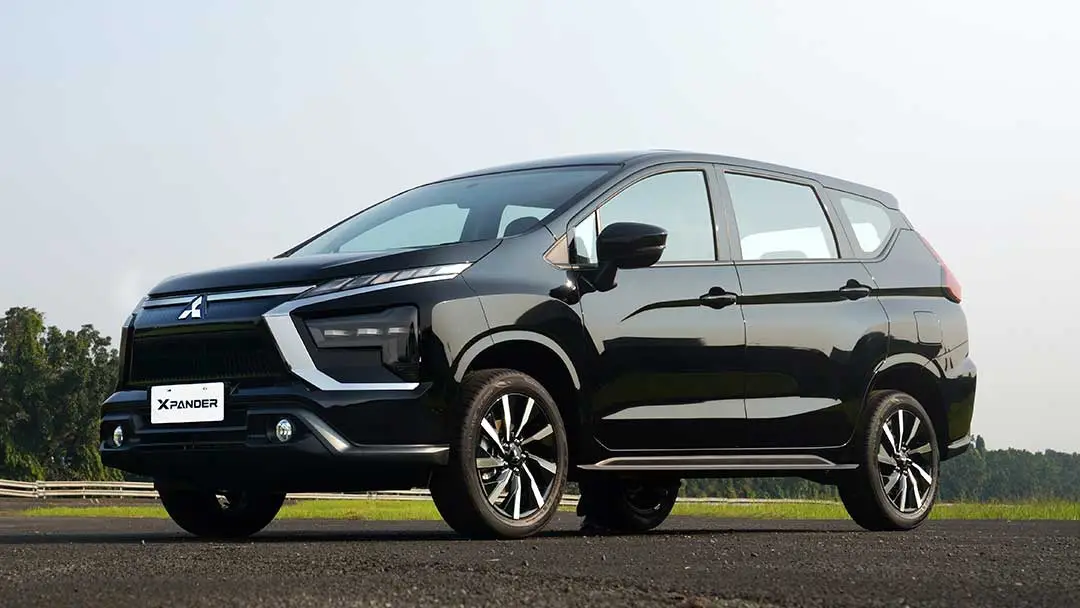
4. Mitsubishi Xpander: Reliable MPV Performance
The Mitsubishi Xpander continues to be a top-tier choice for families seeking a seven-seater that balances ride comfort with durability. With 2026 market valuations for 2024 models around IDR 236 million to IDR 265 million, it is an accessible option.
Mitsubishi provides a 36-month or 100,000 km warranty. The brand’s service network is extensive, which typically simplifies the process of verifying a vehicle’s maintenance records. Buyers should focus on the CVT performance, as transmission health is a common point of concern for high-mileage used vehicles.
5. Suzuki XL7 Hybrid: Efficient Mild-Hybrid Utility
The Suzuki XL7 Hybrid utilizes a mild-hybrid system designed to improve fuel efficiency without the complexities of full-hybrid architecture. This simplicity often translates to lower long-term maintenance costs. Given the 3-year/100,000 km warranty, many 2024 units still hold significant factory coverage. Verification of the lithium-ion battery’s status is essential, as its condition is the primary factor in the long-term viability of the hybrid system.
6. Hyundai Stargazer: Extending the Protection Window
Hyundai has distinguished itself by offering a unique 3+1 year warranty program for the Stargazer. This extended coverage provides a significant competitive advantage in the pre-owned market. Because this program is tied to specific VINs and original sales contracts, buyers must request the original service booklet to confirm that the +1 year extension remains active.
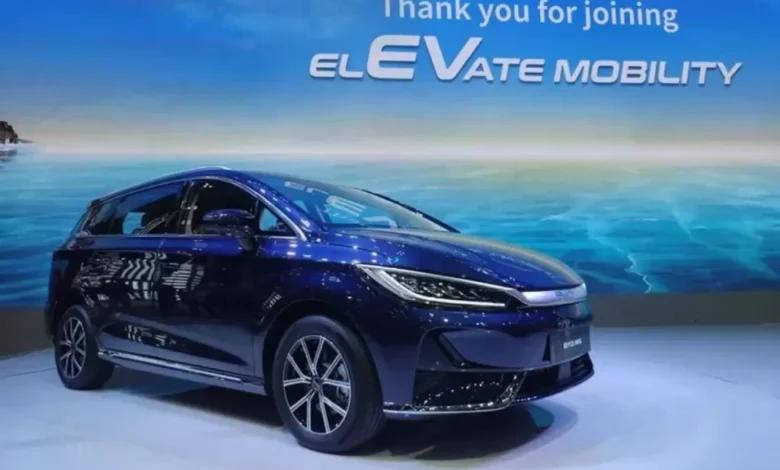
7. BYD M6: The Electric Benchmark
The BYD M6 represents a paradigm shift, as it is one of the few electric vehicles with a manufacturer warranty extending to six years or 150,000 km. For buyers looking for long-term protection, this is arguably the most robust coverage available. However, because it is an electric vehicle, the "transferability" of the warranty to a second owner should be explicitly confirmed with the manufacturer, as EV battery warranties often carry specific clauses regarding secondary ownership.
Broader Implications of the Used Vehicle Market
The presence of active factory warranties on three-year-old vehicles is fundamentally changing consumer behavior in the Indonesian automotive market. Traditionally, depreciation curves were steep in the first three years; however, the retention of a warranty acts as a price stabilizer.
From an economic perspective, this trend shifts the risk of ownership from the consumer back to the manufacturer, at least for the initial period. For the industry, this creates a "certified pre-owned" culture that is becoming increasingly professionalized. Manufacturers, in turn, are leveraging these warranties to foster brand loyalty, hoping that a positive experience with a second-hand unit will lead to a brand-new purchase in the future.
Conclusion and Recommendations
When evaluating a 2024 model for purchase in late 2026, the mantra should always be "trust but verify." The manufacturer’s warranty is a legal contract, and any deviation from the stipulated maintenance schedule—whether by accident or negligence—can void the agreement entirely.
Before finalizing any transaction, buyers should:
- Request the full service history: Ensure all stamps and invoices align with the dealer’s recommendations.
- Conduct a VIN check: Contact an authorized service center to confirm that the warranty is active and not flagged for any reason.
- Assess the odometer: Compare the current mileage against the warranty limit to calculate how much time or distance remains.
- Identify the "In-Service" Date: Do not rely on the production year; the exact date the vehicle was first delivered to the owner is the start of the warranty period.
By following these steps, consumers can successfully navigate the used vehicle market, securing a high-quality, late-model vehicle that offers the financial benefits of depreciation with the security of a factory-backed guarantee. As the market continues to evolve, the integration of digital service records will likely make this verification process even more seamless, further strengthening the viability of the used car ecosystem.