Vespa has long occupied a prestigious position in the global automotive landscape, transcending its role as a mere mode of transportation to become an enduring symbol of Italian design, elegance, and lifestyle. Since the Piaggio Group introduced the first Vespa in 1946, the brand has maintained a consistent aesthetic identity defined by its pressed-steel monocoque chassis and retro-futuristic contours. Today, the appeal of Vespa spans generations, drawing in both vintage motorcycle collectors and urban commuters seeking a stylish alternative to standard scooters. However, as the price of new units continues to rise in response to inflation and technological integration, the secondary market has emerged as the primary gateway for entry-level enthusiasts.
The Evolution of the Vespa Market
The secondary market for Vespa in Southeast Asia, particularly in Indonesia, has witnessed a significant surge in transaction volume over the past decade. This shift is largely attributed to the modernization of the brand’s fleet, moving from traditional two-stroke, manual-transmission models to the sophisticated four-stroke, automatic-transmission (CVT) scooters known as "Vespa Matic."
Historically, the transition began in earnest with the introduction of the LX and S series in the early 2010s. These models were designed to bridge the gap between classic heritage and modern convenience. While early iterations relied on carbureted engines and two-valve (2V) configurations, the subsequent introduction of the i-get (Italian Green Experience Technology) engine in 2016 represented a watershed moment for the brand. This technological pivot focused on reducing mechanical friction, optimizing fuel efficiency, and minimizing the notorious vibrations associated with earlier CVT-equipped units.
Market Dynamics and Valuation Factors
For prospective buyers navigating the used market, price volatility is determined by several critical variables: the engine generation (2V, 3V, or i-get), the presence of safety features such as Anti-lock Braking Systems (ABS), and the rarity of limited-edition aesthetics.
Industry analysts observe that while classic Vespas hold sentimental value, modern automatic Vespas—ranging from the 125cc to 150cc displacement classes—are currently the most traded assets. The depreciation curve for these models tends to stabilize once the unit reaches its five-year mark, provided the service history is documented. A well-maintained 2018 model, for instance, often commands a higher market value than a neglected 2020 unit, underscoring the importance of preventative maintenance.
Detailed Analysis of Recommended Used Models
The Entry-Level Segment (LX and S Series)
The Vespa LX 125 and S 150 serve as the entry points for the brand. The LX 125 (2011–2012) represents the most affordable tier, typically priced between IDR 20,000,000 and IDR 23,000,000. These early models are characterized by their compact ergonomics and distinct circular headlamps. However, buyers should be cognizant of the 2V engine’s mechanical characteristics, which may require more frequent maintenance of the variator and clutch components.
In contrast, the Vespa S 150 (2012–2015) offers a more aggressive, angular aesthetic with its signature rectangular headlight. Valued between IDR 22,000,000 and IDR 28,000,000, it appeals to riders who prioritize a sporty visual profile. For those seeking modern efficiency, the LX 125 i-get (2021) and S 125 i-get (2022) provide a seamless upgrade. These models, priced in the range of IDR 29,500,000 to IDR 33,500,000, integrate advanced injection systems that offer a significantly smoother power delivery and improved fuel economy.
The Premium Mid-Range (Primavera and Sprint)
The Primavera and Sprint series represent the current standard for Vespa’s modern lineup. The Primavera 150 ABS (2022), retailing around IDR 34,000,000 on the used market, is often favored for its elegant design and 12-inch wheels, which provide superior stability compared to the smaller-wheeled LX series. The inclusion of an ABS module is a significant factor in its resale value, as it represents a tangible improvement in rider safety.
The Sprint series, specifically the 150 i-get and its iterations, remains the most sought-after segment. The 2014–2015 Sprint 3V models (IDR 36,000,000–38,000,000) offer a legacy performance feel, while the 2016 i-get versions (IDR 38,500,000–40,000,000) introduce the refined i-get powertrain. For buyers seeking the pinnacle of the Sprint line, the 2018–2021 Sprint 150 i-get ABS models (IDR 42,500,000–47,000,000) offer the most balanced package of power, safety, and technological reliability.
Limited Editions and Collectible Value
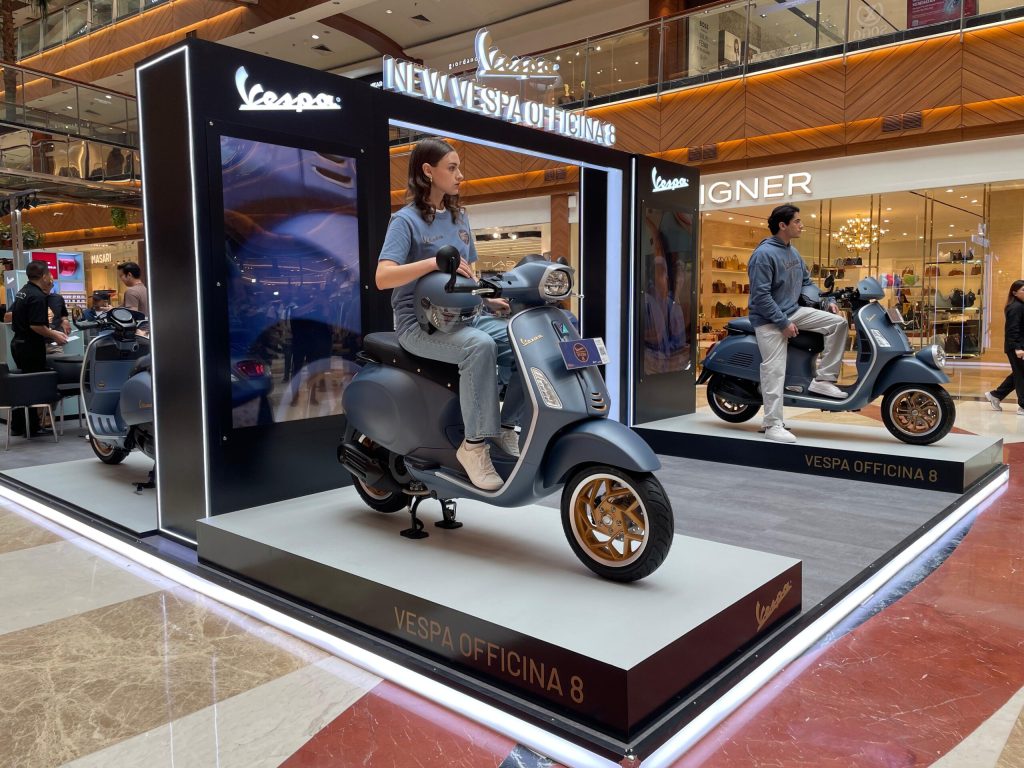
A unique segment of the used market consists of "Limited Edition" models. The Sprint Notte (2019) and the Racing Sixties (2020) are particularly noteworthy. These models command a premium—often between IDR 48,000,000 and IDR 55,000,000—not merely due to their mechanical specs, but because of their aesthetic exclusivity. The "Notte" is defined by its matte black finish, while the "Racing Sixties" draws inspiration from 1960s track vehicles, featuring gold-anodized rims and heritage-inspired livery. These units are increasingly treated as assets rather than mere transport, with prices reflecting their scarcity.
Implications of Used Vehicle Acquisition
The decision to purchase a used Vespa carries inherent risks and responsibilities. From an economic perspective, the primary benefit is the avoidance of the steep initial depreciation that affects brand-new vehicles. However, the secondary market requires a disciplined approach to due diligence.
Mechanical experts suggest that potential buyers prioritize the inspection of the Continuously Variable Transmission (CVT) system. Due to the nature of city riding, which involves frequent stop-and-go traffic, the clutch bell and roller weights are subject to wear. Additionally, the electronic control unit (ECU) in modern i-get models requires periodic diagnostic checks. A comprehensive pre-purchase inspection should ideally involve a certified workshop that can verify the vehicle’s identity (VIN), accident history, and the authenticity of its components.
Broader Impact on Urban Mobility
The sustained demand for used Vespas reflects a broader trend in urban mobility, where consumers are increasingly looking for vehicles that combine functional utility with personal expression. As cities become more congested, the agility of a 125cc or 150cc scooter becomes a practical necessity. Vespa’s ability to retain its design language across decades ensures that even older, more affordable models do not look "outdated" on modern roads.
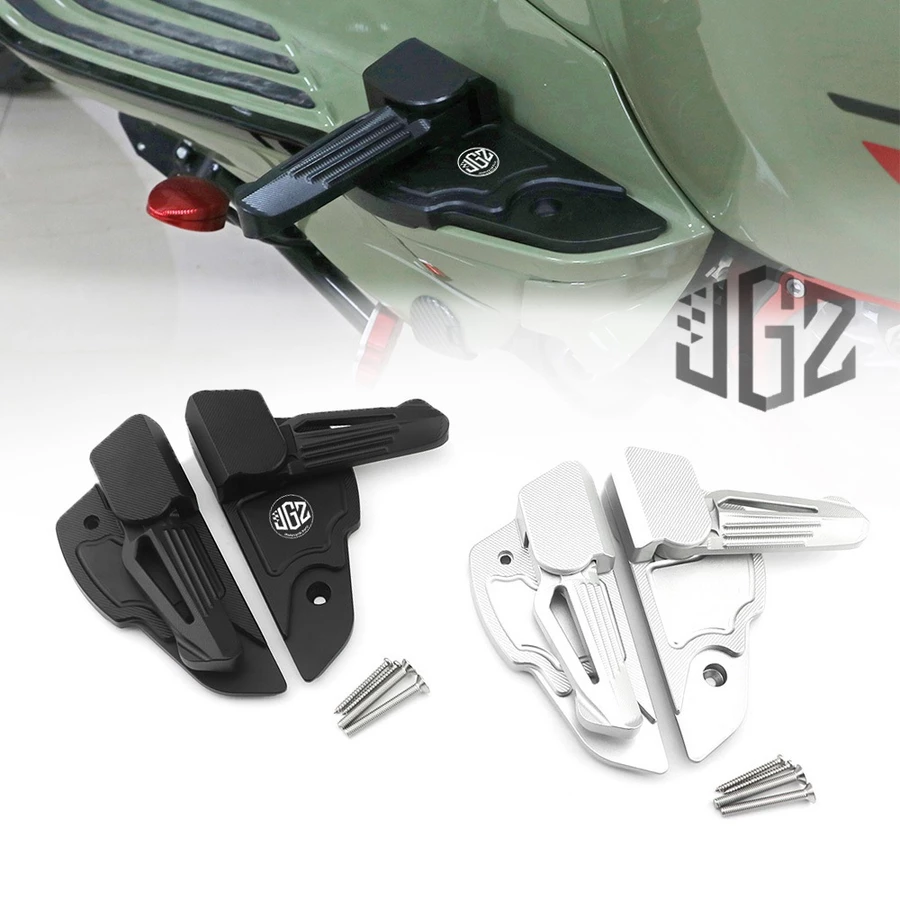
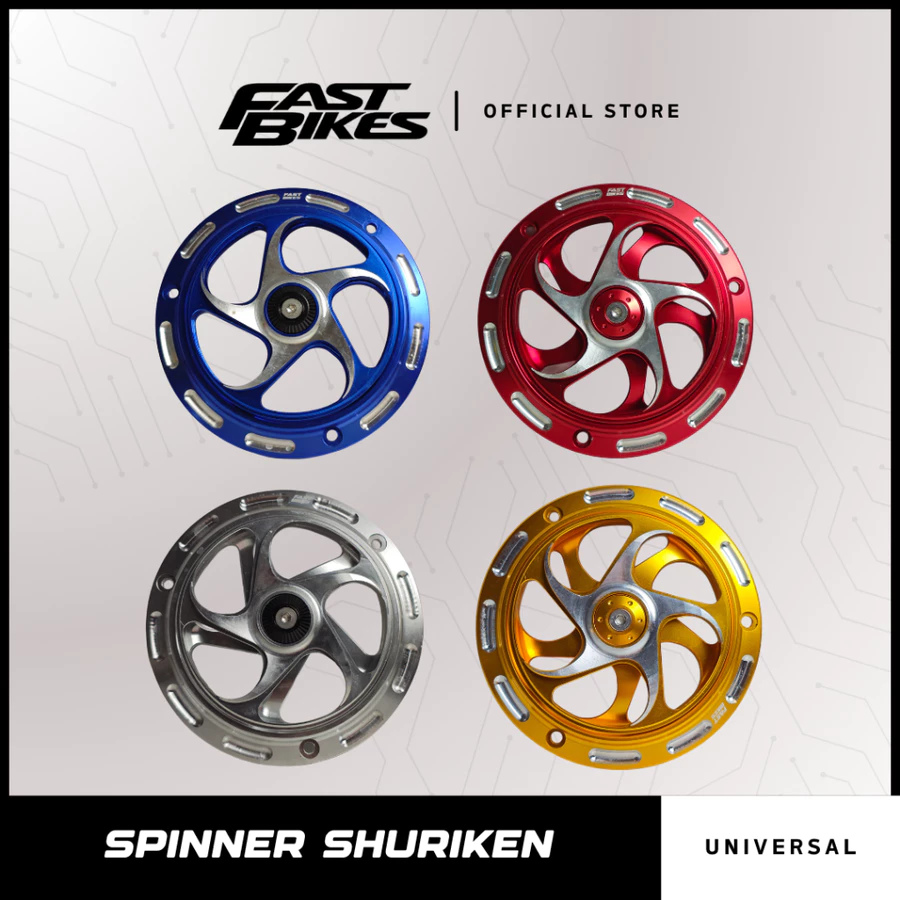
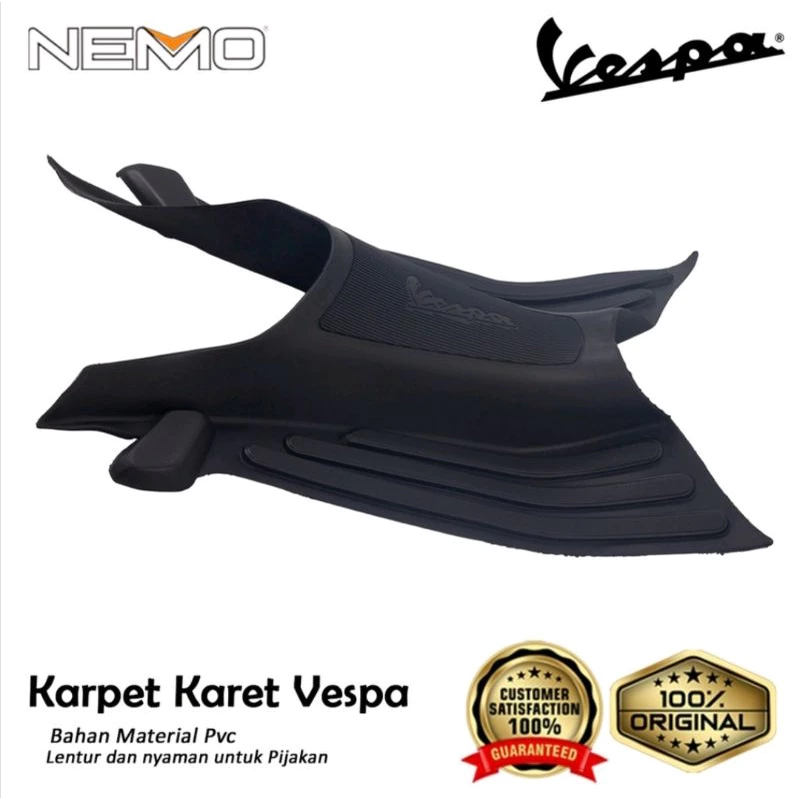
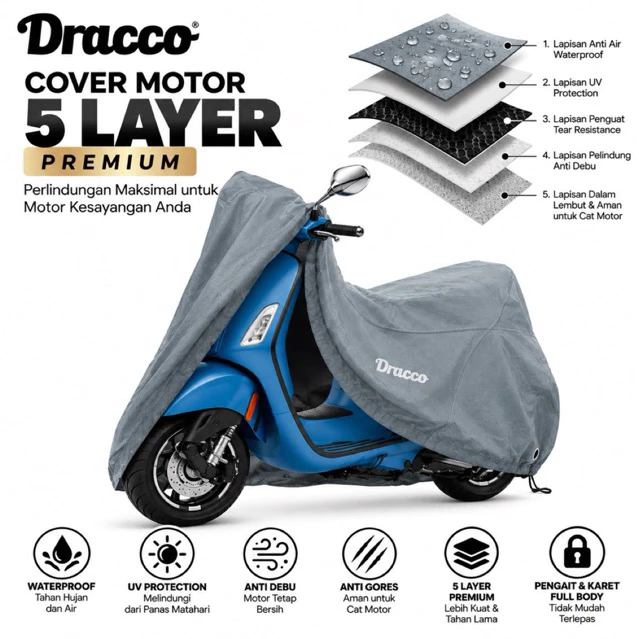
Furthermore, the robust ecosystem of aftermarket parts—including footrests, specialized covers, and cosmetic upgrades—has fostered a vibrant community of enthusiasts. This community-driven culture ensures that spare parts remain readily available, which in turn supports the long-term viability of owning a used Vespa.
In conclusion, the market for used Vespas offers a diverse spectrum of options, from budget-friendly commuters to premium collectible units. By understanding the technological distinctions between engine generations and prioritizing vehicles with clear maintenance records, prospective buyers can secure a reliable, stylish, and high-performing machine that embodies the legendary spirit of Italian motorcycling. Whether for the daily commute or for the satisfaction of owning a piece of automotive history, the Vespa continues to prove its value as a sound investment in the modern transportation landscape.