Transforming a Standard Scooter Into the Dark Knight’s Ride: The Extraordinary Yamaha Xmax Batman Edition

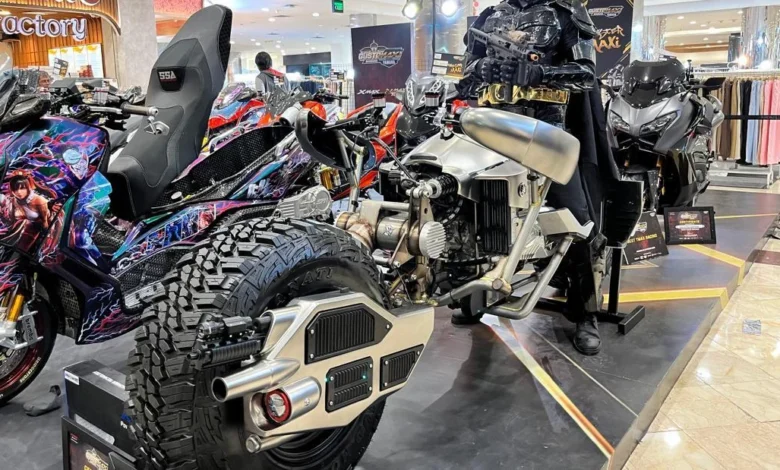
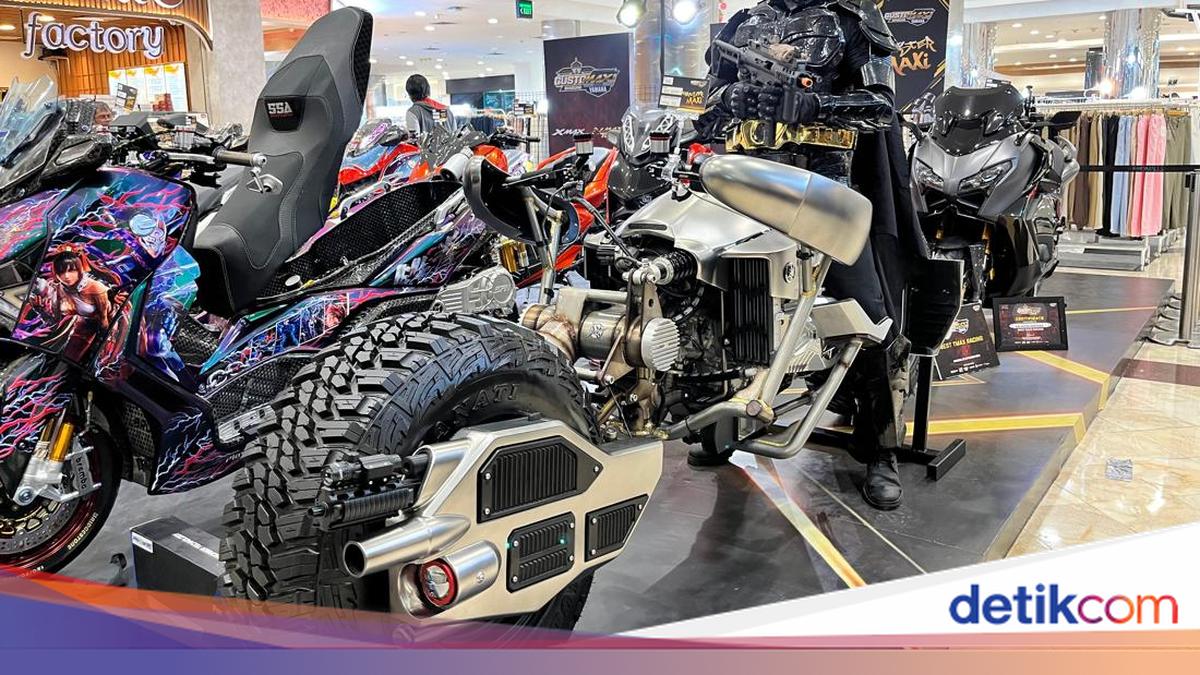
The custom motorcycle scene in Southeast Asia has once again pushed the boundaries of engineering and design with the unveiling of a breathtaking Yamaha Xmax 250 transformed entirely into a real-life Batmobile-inspired machine. Crafted through a collaborative effort between Jakarta-based custom workshop MWM Custom and performance specialist Yonk Jaya, this extraordinary two-wheeler redefines the limits of custom motorcycle fabrication. Rather than relying on simple cosmetic wrap or off-the-shelf accessories, this project represents a masterclass in ground-up custom motorcycle building, where nearly the entire vehicle was meticulously redesigned and fabricated by hand to echo the aggressive, futuristic aesthetic of Gotham City’s iconic vigilante transport.
Main Facts and Project Overview
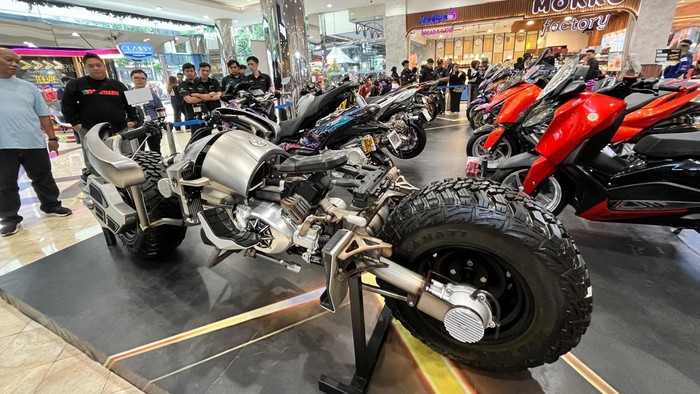
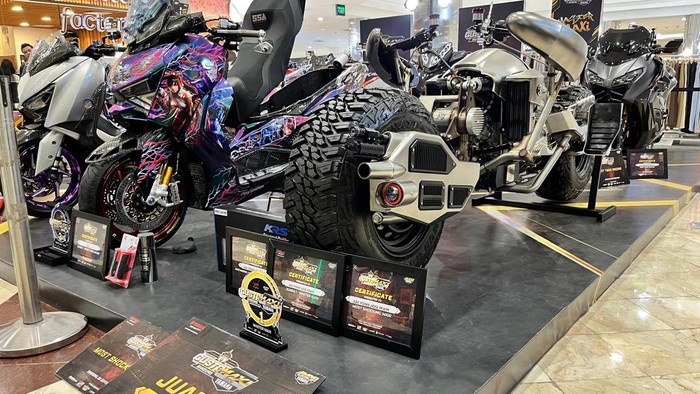
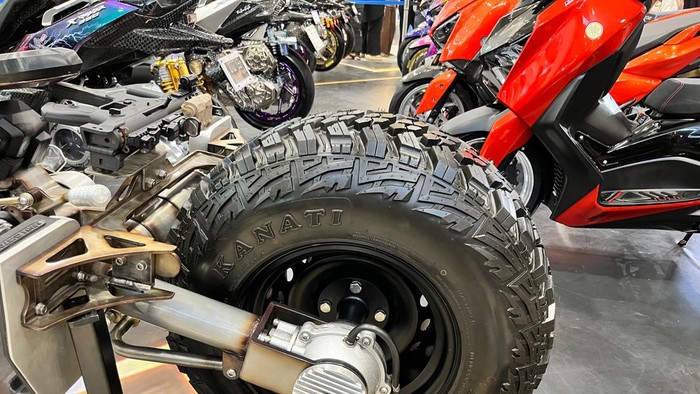
At first glance, identifying the donor vehicle is nearly impossible. The completed machine shares almost nothing visually with the factory-spec Yamaha Xmax 250 scooter, save for its core engine power plant. Approximately 95 percent of the motorcycle is the result of bespoke handmade craftsmanship. MWM Custom undertook the immense challenge of redesigning and fabricating a completely new chassis, bodywork, custom wheels, advanced suspension systems, and heavy-duty drivetrain components from scratch.
The project required a total development and construction timeframe of three months and 14 days, reflecting the high level of precision and intricate labor involved. The total production cost for this cinematic two-wheeled masterpiece reached approximately IDR 200 million (roughly $13,000 USD), making it one of the most ambitious custom scooter projects undertaken in Indonesia in recent years. High-end aftermarket and performance brands contributed to the build, including YSS suspension components, Tune Boss electronic management systems, SR1 CVT covers, TDR grips, and RPD master brakes supplied through the collaboration with Yonk Jaya.
Advanced Engineering and Digital Design Process
The creation of the Yamaha Xmax Batman Edition departed significantly from traditional trial-and-error custom building methods by incorporating cutting-edge modern engineering technologies. Before a single piece of metal was cut or fiberglass molded, the builders at MWM Custom utilized advanced three-dimensional digital design software. This technological approach allowed the engineering team to map out the entire motorcycle, simulating its complex geometry, weight distribution, and mechanical linkages in a virtual environment.
Following the digital modeling phase, 3D printing technology was heavily employed to bring intricate structural and cosmetic components to life. Various sections of the aggressive bodywork, as well as complex components like the custom-tailored rider seat, were initially produced using high-precision 3D printing techniques. This method ensured that every aerodynamic angle, structural clearance, and ergonomic touchpoint was mathematically measured and thoroughly optimized before the physical manufacturing stage began. By bridging digital design with traditional hand-fabrication, MWM Custom minimized structural inaccuracies and achieved a level of factory-grade precision rarely seen in custom motorcycle workshops.
Radical Drivetrain Redesign
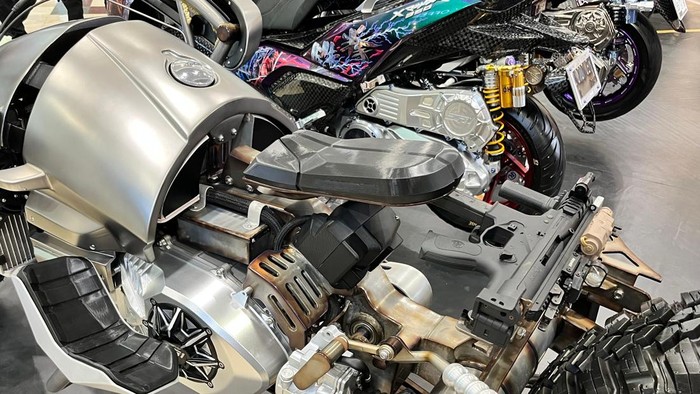
One of the most mechanically complex aspects of this build lies beneath the striking body panels, specifically concerning how power is delivered to the rear wheel. A standard Yamaha Xmax relies on a conventional scooter CVT and rear swingarm setup. However, to accommodate the menacing proportions and wider stance required for the Batman aesthetic, the builders completely re-engineered the power transfer mechanism.
In this custom iteration, power leaves the CVT and is initially transferred via a heavy-duty chain drive to the right side of the machine. From there, the rotational energy enters a custom-fitted gearbox. Exiting the gearbox, the power is further routed through a drive shaft (kopel) system, which ultimately connects to a final differential drive (gardan) to rotate the massive rear wheel. This complex, multi-stage power delivery system mimics automotive engineering principles rather than standard motorcycle mechanics, demonstrating the extraordinary technical ambition behind the project.
Unique Armament Feature and Raw Finishing
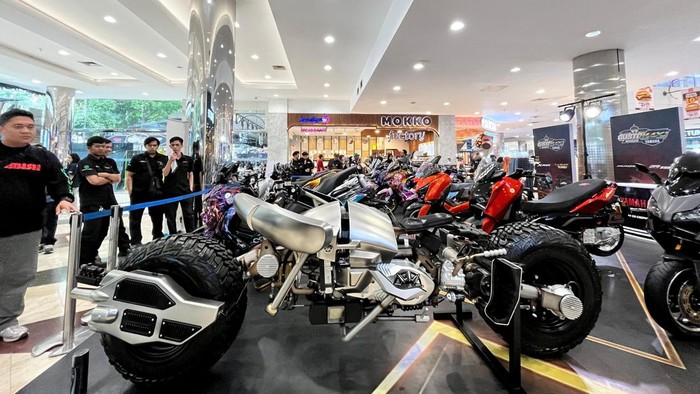
True to the thematic inspiration of the Dark Knight, the builders incorporated a surprising tactical feature into the motorcycle’s front fascia. The machine is equipped with an integrated water gel blaster (WGB) system positioned discreetly at the front end. Designed with both novelty and immersion in mind, this built-in tactical accessory can be operated seamlessly by the rider through a dedicated trigger wired directly to the left-hand horn switch.
Equally striking is the meticulous attention paid to the motorcycle’s surface finishes and metallurgy. Rather than opting for standard automotive paint or powder coating on the structural elements, MWM Custom utilized a raw industrial finishing technique. The exposed metal frame and various structural components were subjected to controlled heating processes. The raw iron was meticulously heat-treated and finished by hand, allowing natural thermal discoloration to create a distinct palette of dark charcoal black and subtle iridescent blue hues. This raw, unpainted aesthetic enhances the industrial, battle-tested persona of the vehicle, avoiding glossy theatricality in favor of a gritty, utilitarian aesthetic.
Chronology of the Build
The realization of the Yamaha Xmax Batman Edition followed a structured, chronological timeline designed to ensure quality control at every phase:
- Conceptualization and 3D Modeling Phase (Weeks 1–3): The project began with intense brainstorming sessions between MWM Custom and Yonk Jaya. Once the Batman theme was solidified, designers drafted comprehensive 3D digital renderings of the chassis, body panels, and mechanical layouts to simulate functionality and ergonomics.
- Chassis and Drivetrain Fabrication (Weeks 4–7): The factory Yamaha Xmax frame was stripped away to form the baseline engine mount, around which an entirely custom-built frame was welded. Concurrently, the complex chain-to-gearbox-to-shaft power transfer system was engineered and test-fitted.
- Bodywork and 3D Printing Phase (Weeks 8–11): Utilizing digital blueprints, the team executed 3D printing for specialized body panels and structural molds, followed by extensive hand-shaping and dry-fitting to achieve the desired aerodynamic silhouette.
- Suspension, Braking, and Component Integration (Weeks 12–14): High-performance parts sourced from Yonk Jaya—including YSS suspension units, RPD master brakes, and Tune Boss electronics—were integrated alongside the custom water gel blaster system.
- Final Assembly, Heat-Treating, and Finishing (Weeks 15–16): The raw metal components underwent thermal finishing for the signature dark-blue-black metallic look, followed by final electrical wiring, track testing, and detailing before public unveiling.
Industry Implications and the Indonesian Custom Scene
The debut of the Yamaha Xmax Batman Edition highlights the rapidly maturing capabilities of Indonesia’s custom automotive industry. Over the past decade, local workshops have evolved from simple modification shops into sophisticated engineering hubs capable of competing on an international stage. By integrating advanced tools like 3D printing and computer-aided design with traditional metal fabrication, workshops like MWM Custom are bridging the gap between bespoke garage artistry and industrial manufacturing standards.
Furthermore, this project underscores a growing market trend toward hyper-personalized, narrative-driven custom builds. Rather than focusing solely on performance upgrades or aesthetic color swaps, modern customizers are increasingly investing in thematic storytelling, transforming mass-market commuter scooters into rolling pieces of cinematic art. While vehicles of this nature are rarely built for mass production, projects of this scale serve as vital showcases of technical ingenuity, inspiring the broader automotive aftermarket community to experiment with unconventional engineering, advanced materials, and bold design concepts.
Related posts: