Thrifting Trends in Jakarta: Navigating the Surge of Sustainable and Economic Second-Hand Consumption

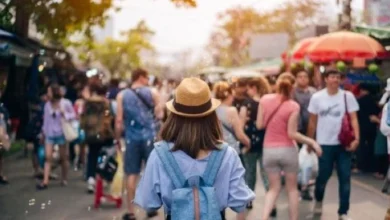
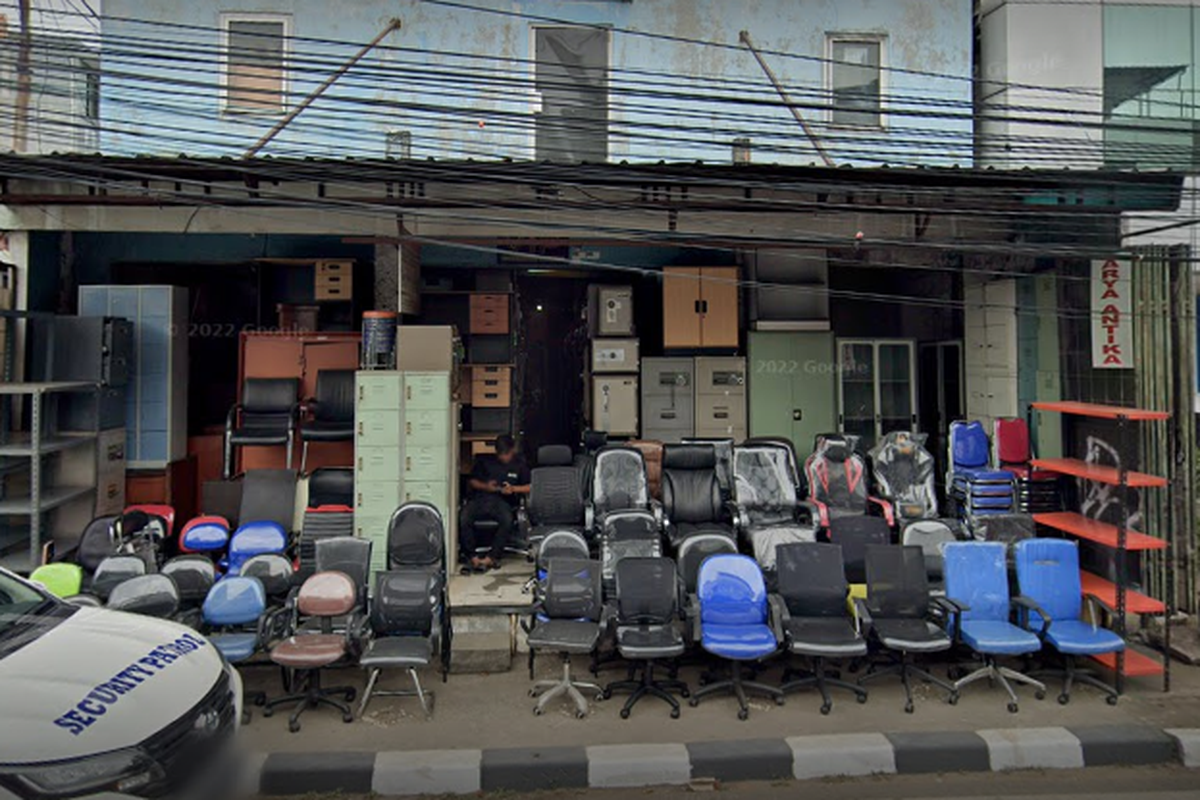
The phenomenon of thrifting, or the purchasing of second-hand goods, has evolved from a niche subculture into a significant pillar of the contemporary retail landscape in Jakarta. Driven by a convergence of economic necessity, an increased focus on sustainable living, and the allure of unique, vintage aesthetics, the market for pre-owned items has experienced robust growth. Today, consumers in the Indonesian capital are increasingly turning to curated second-hand markets to acquire apparel, footwear, accessories, literature, and household furnishings, effectively challenging the traditional dominance of fast fashion and mass-market retail outlets.
The Socio-Economic Drivers of the Second-Hand Market
The proliferation of thrifting in Indonesia is largely rooted in shifting consumer behavior following global economic fluctuations. According to recent market analysis, inflation and rising costs of living have prompted middle-class consumers to re-evaluate their spending habits. By choosing pre-owned goods, individuals are not only mitigating the impact of inflationary pressure but are also participating in a circular economy that prioritizes resource efficiency.
From an environmental perspective, the growth of the thrifting sector serves as a response to the negative externalities of the fast fashion industry. The fashion sector is currently one of the largest contributors to global industrial waste and water pollution. By extending the life cycle of garments, consumers are effectively reducing the demand for new production, which in turn lowers the carbon footprint associated with manufacturing, transportation, and waste disposal. In Jakarta, where urban waste management remains a critical infrastructure challenge, the adoption of second-hand consumption is viewed by environmental experts as a constructive step toward sustainable urban development.
A Chronology of the Thrifting Evolution in Jakarta
The culture of purchasing second-hand items in Jakarta is not entirely new; it has historical roots in informal street markets such as Pasar Senen and Pasar Baru, which have operated for decades. However, the nature of these transactions has undergone a paradigm shift over the past decade.
In the early 2000s, second-hand shopping was largely synonymous with searching through unorganized heaps of clothing in traditional markets. By the mid-2010s, the emergence of social media platforms, particularly Instagram, transformed the industry. Sellers began "curating" their collections, cleaning, repairing, and styling garments, which elevated the perceived value of second-hand items. This era marked the transition from "thrifting as a chore" to "thrifting as a lifestyle."
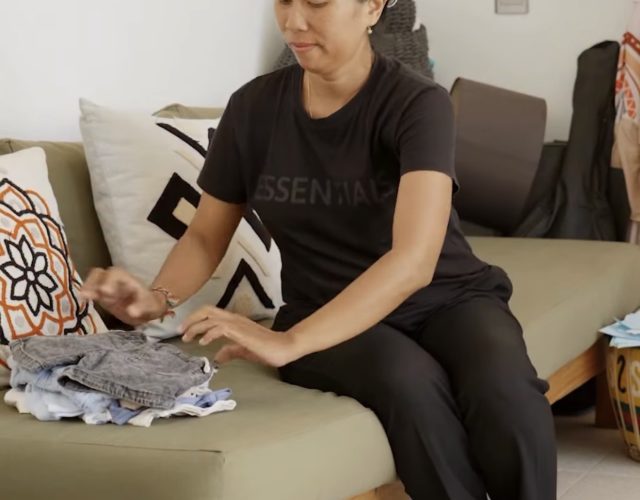
The most recent phase, beginning around 2020, saw the acceleration of digital integration. As pandemic-related restrictions necessitated contactless shopping, the market pivoted toward dedicated digital marketplaces. Platforms such as Lapakku emerged to facilitate secure, transparent, and efficient transactions between buyers and sellers, bridging the gap between the chaotic nature of physical stalls and the structured convenience of modern e-commerce.
Strategic Approaches to Second-Hand Procurement
For the modern consumer, successfully navigating the second-hand market requires a blend of discernment and strategic planning. Industry analysts suggest that the "hit-or-miss" nature of thrift shopping can be mitigated through a structured approach:
- Needs Assessment and Budgeting: Before engaging in any purchase, consumers are advised to inventory their existing belongings to avoid redundant spending. Establishing a strict budget prevents the "impulse buy" trap, where the low price point of an item masks its lack of utility.
- Quality Assurance Protocols: Unlike new retail, where items are often standardized, second-hand goods require individual inspection. Prospective buyers must scrutinize fabric integrity, check for irreparable staining, verify the functionality of zippers and buttons, and examine structural seams. In the case of electronic goods, the necessity for a functional test—often involving checking for battery degradation or power supply stability—is paramount.
- Authentication of Branded Goods: The influx of luxury second-hand items has also led to an increase in high-quality counterfeits. Experts recommend that consumers prioritize physical inspection for hallmarks of authenticity, such as serial numbers, specific stitching patterns, and high-quality hardware. When shopping online, requesting high-resolution imagery and verifying the seller’s historical reputation are essential defensive measures.
The Role of Digital Marketplaces in Market Formalization
The integration of digital platforms like Lapakku has significantly altered the market landscape. These platforms provide a centralized repository of goods, allowing users to browse, compare prices, and filter by category, size, or brand from the comfort of their homes. This shift has not only improved consumer convenience but has also introduced a level of professional accountability to the sector.

Marketplace platforms often implement features such as escrow services, where payments are held until the buyer confirms the receipt and quality of the item. This mechanism is critical in building trust within a market that has historically been plagued by information asymmetry. Furthermore, the ability to read reviews and view transaction histories provides a layer of security that traditional, informal, and transient street stalls cannot offer. However, even with these safeguards, consumers are cautioned to remain vigilant regarding product descriptions and to communicate clearly with sellers before finalizing a purchase.
Broader Economic and Environmental Implications
The long-term implications of a robust second-hand market are significant. Economically, it encourages a more efficient distribution of wealth, allowing lower-income households access to high-quality goods that would otherwise be prohibitively expensive. It also fosters a secondary income stream for individuals who choose to sell their own pre-loved items, effectively creating a decentralized retail network.
Environmentally, the impact is measurable. Every garment diverted from a landfill represents a reduction in methane emissions and raw material depletion. While the thrifting industry is still a small fraction of the total retail market, its sustained growth suggests that it is becoming a permanent fixture in the Indonesian economy.

Best Practices and Consumer Safety
Despite the benefits, the second-hand market is not without its risks. The primary concern for consumers remains hygiene and product safety. It is a standard industry recommendation that all textile-based purchases undergo a thorough cleaning process—often involving high-temperature washing or professional dry cleaning—before use.
Furthermore, consumers must weigh the "total cost of ownership." A low purchase price for a vintage item may be offset by the cost of necessary repairs or professional restoration. A critical evaluation of whether an item requires significant investment to become wearable or functional is a hallmark of a seasoned thrift shopper. When the cost of restoration approaches the cost of a new, high-quality equivalent, the value proposition of the second-hand purchase diminishes.
Conclusion
The evolution of thrifting in Jakarta reflects a broader global movement toward conscious consumerism. As the infrastructure for buying and selling second-hand goods becomes increasingly sophisticated through digital innovation and improved community awareness, the practice is likely to continue its upward trajectory. By prioritizing quality over quantity, practicing rigorous inspection techniques, and utilizing secure digital platforms, consumers can effectively participate in a retail model that is as beneficial to their personal finances as it is to the environment. As the market matures, the continued emphasis on transparency, authentication, and sustainable practices will be the defining factors in the long-term viability of Jakarta’s thriving second-hand ecosystem.