Why Compact SUVs are Replacing MPVs as the Preferred Choice for Modern Families in Pati

Pati, a regency situated along the northern coast of Central Java, is currently witnessing a significant shift in automotive consumer behavior. Traditionally dominated by Multi-Purpose Vehicles (MPVs) due to their high seating capacity and utility, the local market is pivoting toward Compact Sport Utility Vehicles (SUVs). This transition is driven by a complex interplay of infrastructure development, changing lifestyle requirements among young families, and the increasing accessibility of advanced automotive technology. Vehicles such as the Hyundai New Creta have emerged as benchmarks in this shift, offering a versatile solution that addresses the diverse geographical demands of the region.
The Geography of Pati and Changing Infrastructure
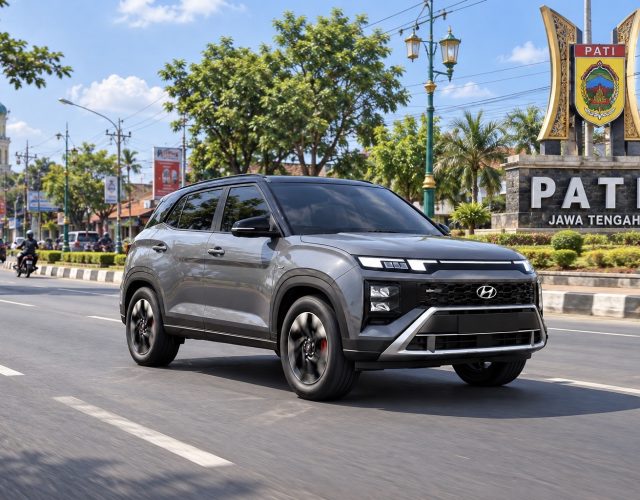
The geographical landscape of Pati is remarkably diverse, transitioning from the flat, paved expanse of the Trans-Java Pantura route to the rugged, unpaved terrain of its hinterland villages and agricultural corridors. Historically, the MPV served as the "people mover" of choice for local families, prized for its ability to transport multiple passengers. However, as the region’s economic profile evolves, so does the demand for vehicles that offer more than just capacity.
Infrastructure development, particularly the expansion of the Trans-Java Toll Road, has fundamentally altered the driving habits of residents. Commutes that once took hours on arterial provincial roads are now streamlined, allowing for higher sustained speeds. Simultaneously, the need for reliable transport across rural roads—which are frequently affected by monsoon-induced flooding and uneven surfaces—has made the traditional low-slung sedan or basic MPV less desirable. The market is now prioritizing vehicles that offer a higher ground clearance without sacrificing the fuel efficiency required for longer commutes.
The Rise of the Compact SUV: A Statistical Shift
Market data suggests that the "Compact SUV" segment has seen a steady uptick in interest across Central Java over the past three fiscal years. Automotive analysts point to a 15% year-on-year increase in inquiries regarding high-clearance, five-seater vehicles among first-time car buyers in the 28–40 age demographic.
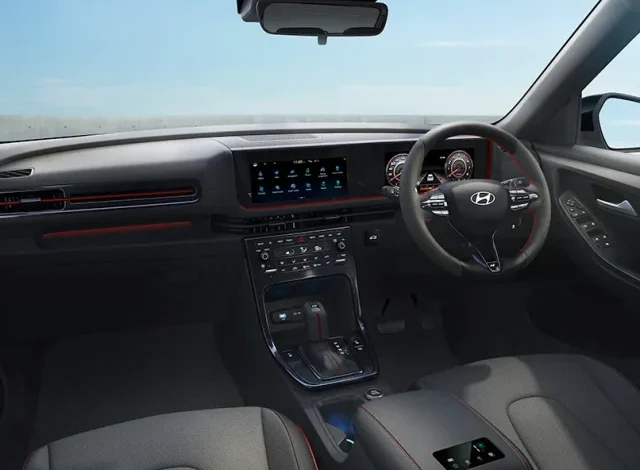
This demographic represents the "young family" segment in Pati, which increasingly seeks a balance between professional utility and personal leisure. Unlike older generations who prioritized raw seating capacity, young families are focusing on safety features, cabin technology, and the physical capability of the vehicle to handle varied road conditions. The Hyundai New Creta, with its specific technical specifications—including a 115 PS engine output and a sophisticated IVT transmission—has positioned itself to fill this niche. By offering a vehicle that is compact enough to navigate narrow village lanes yet robust enough for highway cruising, manufacturers are effectively addressing the specific pain points of the regional motorist.
Technical Superiority and Road Capability
The primary catalyst for the migration toward the Compact SUV is the vehicle’s inherent architecture. The New Creta, for instance, features a wheelbase of 2,610 mm, which provides superior stability on the uneven, unpaved roads common in the sub-districts surrounding Pati. When compared to the typical front-wheel-drive MPVs, the suspension geometry of a modern SUV allows for better absorption of road shocks, a critical factor during the rainy season when road maintenance in rural areas often lags behind urban centers.
Furthermore, the integration of Smartstream G1.5 MPi engine technology reflects a broader industry trend: downsizing for efficiency without compromising power. For a family in Pati that might drive from a village residence to a commercial hub in the city, the ability to switch between low-speed rural navigation and high-speed highway driving is essential. The fuel efficiency provided by the IVT (Intelligent Variable Transmission) system ensures that the cost of ownership remains manageable, a high priority for families navigating the current economic climate.
Economic Implications and After-Sales Support
A major barrier to the adoption of premium-segment vehicles in regions outside of major metropolitan areas has traditionally been the availability of specialized service centers. However, Hyundai’s aggressive expansion of its dealership network throughout Central Java has mitigated these concerns. The presence of authorized service centers in proximity to major population hubs provides the necessary peace of mind for buyers who are wary of "orphan" vehicles—models that are difficult or expensive to repair locally.
Financial service providers have also adapted to this trend, offering more flexible credit schemes for SUVs, which are often categorized as lifestyle vehicles. With entry-level prices for models like the New Creta starting at approximately IDR 307.8 million, these vehicles have become financially accessible to a wider swath of the middle class in Pati. The inclusion of resale value guarantees, such as the 70% buyback programs, has further stabilized the secondary market, making the initial investment seem more like a long-term asset than a depreciating liability.
Design as a Social and Functional Expression
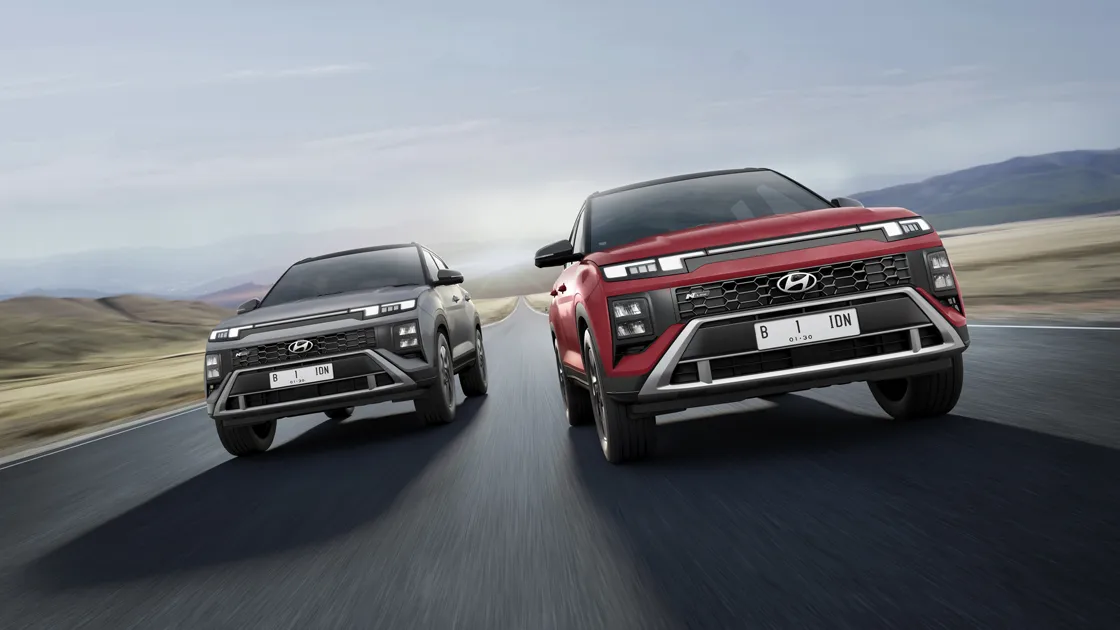
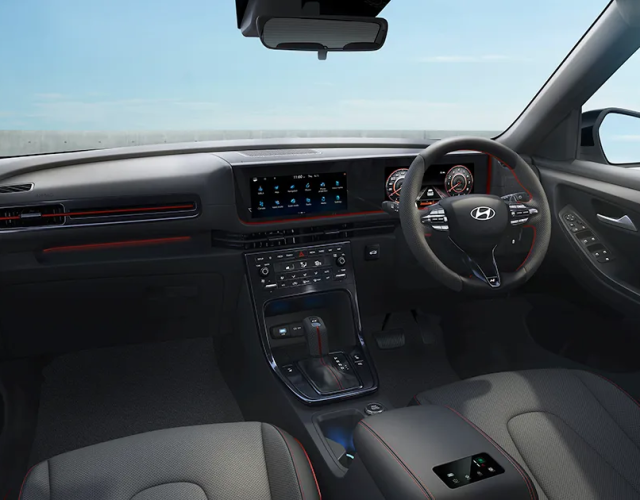
Beyond mere utility, the shift toward the SUV is also driven by aesthetic and sociological factors. In modern Indonesian society, the vehicle is often viewed as an extension of the owner’s identity. The boxy, utilitarian design of older MPV models is increasingly seen as outdated by the younger generation. The sleek, aggressive, and "sporty" design language of the modern Compact SUV—characterized by parametric grille designs and integrated LED lighting—appeals to this desire for a modern, active, and cosmopolitan image.
The N Line variant of the New Creta, which emphasizes performance-oriented aesthetics, has been particularly popular among young professionals in Pati who want a vehicle that transitions seamlessly from a formal business setting to a family weekend excursion. This versatility allows the owner to bypass the need for a secondary vehicle, consolidating transportation needs into a single, highly efficient package.
Broader Implications for the Automotive Industry
The transition observed in Pati is a microcosm of a national trend. As connectivity between rural and urban areas continues to improve through national infrastructure projects, the automotive industry must continue to provide vehicles that are "geographically agnostic." The success of the Compact SUV suggests that the future of the Indonesian family car is one that prioritizes:
- Adaptive Performance: Vehicles that perform equally well on toll roads and rural pathways.
- Modular Utility: Interiors that can transform from passenger-focused to cargo-focused in seconds, as seen in the 1,401-liter capacity achieved by folding the rear seats.
- Technological Accessibility: The integration of digital safety suites and infotainment systems that keep pace with the hyper-connected lifestyle of modern families.
Future Outlook
As the automotive market in Central Java continues to mature, the dominance of the traditional MPV will likely be further challenged. While the MPV will retain its niche for large-family transport, the Compact SUV is rapidly becoming the default choice for the average nuclear family. This shift necessitates a continued commitment from manufacturers toward localizing service support and maintaining competitive pricing structures.
Industry observers suggest that if the current trajectory holds, the next five years will see an even greater saturation of SUVs in the sub-districts of Pati. As infrastructure continues to be upgraded, the "utility" aspect of the SUV will be complemented by an even greater emphasis on comfort and luxury features, potentially narrowing the gap between the SUV and premium luxury vehicle segments.
Ultimately, the choice of the New Creta or similar vehicles by residents in Pati is a pragmatic decision born of necessity and enabled by modern engineering. By bridging the gap between rugged functionality and sophisticated comfort, these vehicles are not merely changing the landscape of the roads in Pati, but also the way its families experience the journey of daily life. For the prospective buyer, the current market offers a unique intersection of affordability, reliability, and modern design, marking a definitive evolution in the regional automotive landscape.
Related posts: