Tragic Rail Incidents Spark Urgent Safety Concerns Across Indonesian Commuter Networks

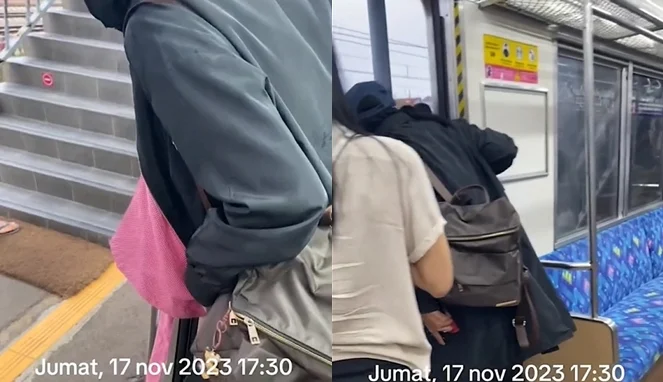
Rail transport remains one of the most reliable, efficient, and heavily relied-upon modes of public transit in Indonesia, serving millions of commuters daily across bustling metropolitan regions and intercity corridors. However, safety protocols at stations and along active rail lines have once again been thrust into the national spotlight following a grim sequence of tragic accidents. Within a single day, two separate fatal incidents—one involving a commuter train passenger at a station platform in Tangerang Selatan and another involving a pedestrian on an active rail crossing in Surabaya—claimed human lives. These harrowing events have reignited critical discussions regarding commuter mindfulness, adherence to safety boundaries, and the perennial challenges of enforcing railway safety in high-traffic zones.
The First Incident: The Stasiun Serpong Tragedy
The first of the two incidents occurred on Friday, November 17, 2023, at approximately 17:30 Western Indonesia Time (WIB) during the peak evening rush hour. The location was Stasiun Serpong, situated in South Tangerang (Tangerang Selatan), Banten—a high-volume transit hub for workers commuting between the bustling capital of Jakarta and its surrounding suburban satellite cities.
According to preliminary reports, eyewitness accounts, and widely circulated footage on social media platforms such as Instagram—specifically highlighted by transit watchdog accounts like @jalur5—the incident involved Commuter Line (KRL) Train KA 1773, operating on the Parung Panjang to Tanah Abang route. The train was approaching the station platform at a moderate speed to make its scheduled stop, unaware of the unfolding hazard near the platform edge.
As the JR 205 series electric multiple unit pulled into the station, a young passenger—described as a teenager—was standing near the platform edge alongside a group of peers. Investigators and witnesses indicated that the group was engaged in casual conversation and joking around while waiting for the transit service. Caught up in the momentum of socialization, the victim failed to maintain adequate spatial awareness, inadvertently neglecting the designated yellow safety line—a universal visual boundary designed to keep commuters at a safe distance from passing trains.
Despite prior verbal warnings from station security personnel urging individuals on the platform to cease horseplay and step back behind the safety threshold, the warnings went unheeded in the heat of the moment. As the massive steel body of the KRL train glided past, the victim’s hand or clothing accidentally made direct contact with the exterior of the moving carriages. The physical momentum instantly caught the teenager, dragging the individual into the perilous gap between the station platform and the moving train.
The immediate aftermath was captured in dramatic mobile phone footage shared by passengers already on board the train, showing concerned commuters peering anxiously out of the windows to assess the commotion. Station operational staff and emergency responders swiftly mobilized to administer immediate first aid at the scene. Reports from the immediate aftermath indicated that the victim still displayed faint signs of life upon initial rescue efforts. Tragically, despite the prompt medical intervention by on-site personnel, the severity of the sustained trauma proved fatal, and the young victim succumbed to injuries before advanced medical care could fully stabilize them.
The Second Incident: The Surabaya Rail Crossing Fatality
Merely hours prior to the Serpong station tragedy, a separate fatal rail accident unfolded on the opposite side of Java Island, highlighting the persistent dangers plaguing open level crossings and unauthorized pedestrian tracks. On the same day, Friday, November 17, 2023, at approximately 16:00 WIB, a fatal collision occurred along the active railway corridor at Jalan Ahmad Yani No. 16, located in the Wonokromo district of Surabaya, East Java.
The victim was identified as a 46-year-old local resident bearing the initials D, who resided in Dukuh Kramat, Jajar Tunggal village, within the Wiyung sub-district of Surabaya. Unlike the Serpong station incident—which involved a station platform environment and a commuter train—this incident involved the long-distance Kereta Api Dhoho regional train striking a pedestrian who was walking directly across or along the active rail line.
According to testimonies gathered from local witnesses and manual railway crossing gate attendants, the victim had been moving across the tracks despite oncoming train warnings. Railway staff and nearby community members shouted urgent warnings and attempted to alert the individual to the impending danger of the approaching locomotive. However, the intervention came too late. The Kereta Api Dhoho locomotive struck the victim squarely, dragging the body several meters past the initial point of impact before the engineer could bring the heavy consist to a complete halt.

Emergency services and local law enforcement quickly secured the accident scene, where makeshift privacy barriers, including banners and plastic sheeting, were deployed to shield the grim aftermath from onlookers and passing traffic. Following preliminary on-site investigations, the victim’s remains were transferred to the Dr. Soetomo Regional General Hospital (RSUD Dr. Soetomo) in Surabaya for formal post-mortem examination and subsequent handover to grieving family members.
Chronology of Events on November 17, 2023
The temporal proximity of both fatal incidents underscores a particularly dark 24-hour period for Indonesian rail transport safety:
- 16:00 WIB (Surabaya, East Java): A 46-year-old pedestrian, identified as D, is struck and killed by the Kereta Api Dhoho train along the active railway corridor on Jalan Ahmad Yani, Wonokromo, after allegedly ignoring verbal warnings from crossing attendants.
- 17:30 WIB (Tangerang Selatan, Banten): During the peak evening commute, a teenage commuter standing near the platform edge at Stasiun Serpong is pulled into the gap between the platform and a passing KRL commuter train (KA 1773) after failing to heed security warnings while socializing.
- Post-Incident Response: Emergency medical personnel and station staff administer immediate first aid at Serpong, while Surabaya police coordinate the evacuation of the victim to RSUD Dr. Soetomo. Video footage of the Serpong incident rapidly circulates across social media channels, provoking widespread public discourse on passenger safety.
Underlying Systemic Challenges and Safety Protocols
These back-to-back tragedies have catalyzed broader evaluations among transportation analysts, rail operators, and the general public regarding the effectiveness of existing safety measures. PT Kereta Api Indonesia (KAI) and its subsidiary PT Kereta Commuter Indonesia (KCI) have continuously invested in physical infrastructure improvements, public awareness campaigns, and platform security enhancements to mitigate preventable accidents.
Key safety infrastructure measures historically implemented across Indonesian railway networks include:
- Yellow Safety Lines: Painted clearly on all platform surfaces to demarcate the safe waiting zone away from the overhang of moving trains.
- Platform Screen Doors (PSDs) and Automated Barriers: While increasingly common in modern metro systems, retrofitting legacy commuter rail stations with physical barriers remains a capital-intensive, long-term engineering challenge.
- Audible and Visual Warning Systems: Automated automated announcements, klaxons, and flashing lights designed to alert pedestrians and passengers of incoming train movements.
- On-Site Security Personnel: Station guards tasked with monitoring crowds, managing commuter flow, and actively enforcing compliance with platform safety rules.
Despite these layered safety interventions, human behavior remains the most volatile and difficult variable to control. Public safety experts note that routine familiarity with commuter systems often breeds complacency. During peak rush hours, overcrowded platforms, peer distractions, mobile phone usage, and general impatience frequently lead individuals to disregard fundamental safety instructions, such as standing behind the yellow line or refraining from horseplay near platform edges.
Similarly, open railway level crossings and unauthorized pedestrian shortcuts across active tracks remain a persistent hazard across urban centers like Surabaya and Jakarta. Despite statutory regulations criminalizing unauthorized trespassing on rail corridors—backed by provisions in the Indonesian Railway Law—enforcement gaps and community reliance on informal crossings continue to expose pedestrians to catastrophic risk.
Broader Implications and Industry Response
The viral dissemination of the Stasiun Serpong incident via digital platforms such as Instagram highlights the modern reality of public safety reporting. Within hours of the occurrence, digital footage captured by watchful passengers generated intense public scrutiny, amplifying calls for heightened accountability both from transit operators and the commuting public.
In the wake of these fatalities, transport authorities and safety advocates have reiterated several vital recommendations to prevent future tragedies:
- Heightened Personal Vigilance: Commuters are continually urged to treat station platforms with extreme caution, eliminating distractions such as mobile device absorption or intense socializing near the platform edge.
- Strict Adherence to Operational Instructions: Compliance with staff directives and mandatory waiting behind platform safety barriers is non-negotiable for personal survival in high-speed transit environments.
- Infrastructure Modernization: Continued advocacy for accelerated investments in platform edge doors, enhanced fencing along open tracks, and the elimination or grade-separation of vulnerable level crossings.
Ultimately, while railway operators bear the immense responsibility of maintaining safe rolling stock, secure tracks, and alert personnel, the prevention of platform and track-side accidents fundamentally relies on a shared commitment to vigilance and discipline by every individual who steps foot near Indonesia’s railway networks.