Daftar Lengkap Harga BBM Pertamina, Shell, BP, dan Vivo Hari Ini, Selasa 28 Oktober 2026

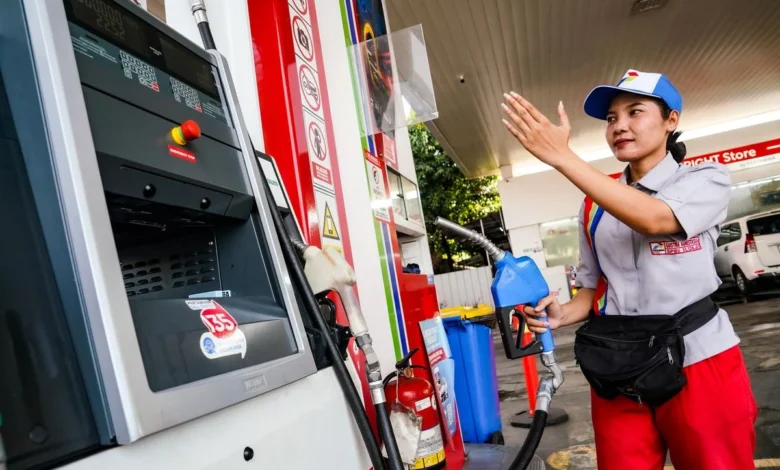
The landscape of fuel retail prices across Indonesia remains in a period of calculated stability as of Wednesday, October 28, 2026. Motorists across the archipelago visiting major service stations operated by state-owned giant Pertamina, as well as private retailers Shell, BP, and Vivo Energy, are encountering price lists that mirror those observed throughout the preceding month. This consistency comes at a time when global energy markets are navigating complex geopolitical tensions and fluctuating crude oil benchmarks, suggesting a strategic move by both the government and private operators to maintain consumer purchasing power and economic predictability.
Current Market Snapshot: Price Stability at the Pump
As of the morning of October 28, 2026, the retail price structure for gasoline and diesel remains unchanged across all major providers. For the majority of Indonesian commuters, this stability serves as a welcome respite from the volatility often associated with international oil pricing.
Pertamina, the national energy firm, continues to lead the market with its diverse portfolio of products. The flagship Pertamax (RON 92) is currently retailing at Rp15,950 per liter. For those utilizing high-performance engines, the Pertamax Green variant remains priced at Rp19,150 per liter, while the premium Pertamax Turbo (RON 98) stands at Rp19,600 per liter. The commercial diesel segment is equally consistent, with Dexlite pegged at Rp23,700 per liter and the high-performance Pertamina Dex at Rp25,200 per liter.
Equally critical for the nation’s logistics and transportation sectors are the government-subsidized fuels. Pertalite remains locked at Rp10,000 per liter, while Biosolar is maintained at Rp6,800 per liter. These prices are heavily influenced by the government’s fiscal policy and state budget allocations intended to cushion the impact of energy costs on the broader population.
Private Sector Alignment
The private retail sector, represented by global and independent brands, has mirrored the state-led trend of stability. Shell, known for its V-Power lineup, continues to offer its V-Power Diesel at Rp25,420 per liter. Meanwhile, BP (British Petroleum) and Vivo Energy have kept their pricing competitive within the current market environment. BP 92 is priced at Rp16,130 per liter, with BP Ultimate standing at Rp19,330 per liter and BP Ultimate Diesel matching the market benchmark of Rp25,420 per liter. Vivo Energy, operating as an independent retail force, has mirrored these trends, with Revvo 92 retailing at Rp16,130 per liter and Revvo 95 at Rp19,330 per liter.
Chronology of Market Adjustments
The stability observed this week follows a series of incremental adjustments made by retail operators over the last quarter of 2026. To understand the current climate, it is essential to look at the preceding months. August and September 2026 saw modest fluctuations driven by the shifting value of the Indonesian Rupiah against the U.S. Dollar and the fluctuating Brent crude benchmarks.
During the early part of the third quarter, operators engaged in monthly price evaluations, a standard practice in Indonesia’s liberalized fuel market for non-subsidized products. The adjustment mechanism typically factors in the Mean of Platts Singapore (MOPS) and the domestic currency exchange rate. However, throughout October, these variables have remained within a bandwidth that did not necessitate a price hike, allowing retailers to maintain their current margins while preventing "price shock" for consumers.
Economic Context and Fiscal Policy
The government’s decision to maintain subsidized fuel prices is rooted in the broader national economic strategy. Indonesia has been navigating a delicate balance between fiscal discipline and the necessity of preventing inflationary pressure on staple goods. Because fuel is a primary component of logistics costs, any significant change in the price of Biosolar or Pertalite carries a direct, cascading effect on the price of food, electricity, and manufactured products.

Economists note that the current stabilization is part of a "buffer period" intended to help the manufacturing sector recover from previous interest rate adjustments. By keeping energy costs predictable, the government aims to encourage consumer spending during the upcoming year-end holiday season, which historically accounts for a significant portion of annual retail consumption.
The Role of Global Market Dynamics
While domestic prices remain steady, the global energy sector continues to face headwinds. The global benchmark, Brent Crude, has seen erratic movements throughout 2026, driven by supply constraints in major oil-producing regions and logistical bottlenecks in maritime trade.
Despite these global pressures, the Indonesian Ministry of Energy and Mineral Resources (ESDM) has maintained a vigilant monitoring system. Through a formulaic approach, the ministry tracks the average price of oil over the preceding month to dictate whether adjustments are required. The current lack of movement suggests that the average oil price index has remained stable enough to avoid triggering a domestic retail hike, providing a period of calm for both the corporate sector and the general public.
Consumer and Industry Perspectives
For the logistics industry, the status quo is a vital metric. Large-scale distribution companies, which operate fleets on diesel, have expressed that even a marginal increase in fuel prices necessitates a recalibration of their delivery tariffs. The current price hold allows these businesses to maintain their existing service contracts without the need to pass additional costs onto the end consumer, effectively acting as a silent stabilizer for the national supply chain.
For the private motorist, the stability of RON 92 and higher grades allows for more predictable household budgeting. While the prices of non-subsidized fuel are determined by the market, the alignment of prices between Shell, BP, and Vivo suggests a highly competitive market where retailers are prioritizing volume and customer loyalty over short-term margin expansion.
Future Outlook: What to Expect
Looking toward the final two months of 2026, the primary question for analysts is whether this stability can be sustained. Several factors will determine the trajectory of fuel prices as the year draws to a close:
- Exchange Rate Volatility: As the Indonesian Rupiah (IDR) remains sensitive to global capital flows, any significant depreciation against the dollar could force a re-evaluation of the cost of imported refined products, which could exert upward pressure on non-subsidized fuel prices.
- Fiscal Space: The government’s capacity to continue absorbing the cost of fuel subsidies is limited by the state budget (APBN). If global oil prices undergo a sustained surge, the government may be forced to consider an adjustment in the early months of 2027.
- Global Geopolitical Shifts: Any escalation in regional conflicts—particularly in oil-producing zones—remains a "black swan" risk that could disrupt supply chains and spike global benchmarks overnight.
For now, however, the message from the fuel retail sector is one of continuity. The current pricing structure is designed to foster a stable environment that supports both individual mobility and the broader industrial engine of the Indonesian economy.
Conclusion
The current pricing of fuel in Indonesia as of October 28, 2026, serves as a testament to the complex balancing act performed by market participants and the government. By maintaining stable prices across both subsidized and non-subsidized categories, stakeholders are prioritizing economic continuity over short-term profit or austerity. For the average Indonesian driver, the absence of change at the pump is a welcome development, providing a stable baseline as the country navigates the final quarter of the year.
As citizens continue to go about their daily routines, the stability at the pumps operated by Pertamina, Shell, BP, and Vivo serves as a quiet reminder of the behind-the-scenes efforts to keep the nation’s economy fueled. While the global energy outlook remains uncertain, the present state of the Indonesian market remains firmly anchored, offering a moment of predictability in an otherwise dynamic global economic landscape.