Exploring the Hallyu Wave: A Comprehensive Guide to South Korea’s Most Cinematic Urban and Cultural Destinations

South Korea has firmly established itself as one of the premier global tourism hotspots, drawing millions of international visitors annually, with a particularly strong influx from Southeast Asian nations such as Indonesia. This remarkable surge in tourism is intrinsically linked to the unprecedented global phenomenon known as the Hallyu wave, or the Korean Wave. Fueled by the international proliferation of high-production-value Korean dramas (K-dramas), music, and films, travelers are increasingly seeking to immerse themselves in the authentic visual landscapes depicted on their screens. Beyond the traditional historical palaces and natural wonders, modern South Korean tourism has evolved to celebrate vibrant urban corridors, cutting-edge architectural marvels, and dynamic cultural districts that serve as living stages for contemporary Korean storytelling.
The intersection of popular culture and urban tourism has transformed how cities like Seoul are experienced by global travelers. According to recent tourism analytics and hospitality trend reports, contemporary tourists prioritize experiential travel, seeking locations that evoke emotional resonance through media consumption. This behavioral shift has prompted local municipalities and tourism boards to actively promote neighborhoods that blend daily Korean life with cinematic aesthetics. The following destinations represent a cross-section of South Korea’s most compelling urban landscapes, offering visitors a tangible connection to the vibrant settings popularized in modern visual media.
Geonbae: The Pulsating Heart of Metropolitan Nightlife
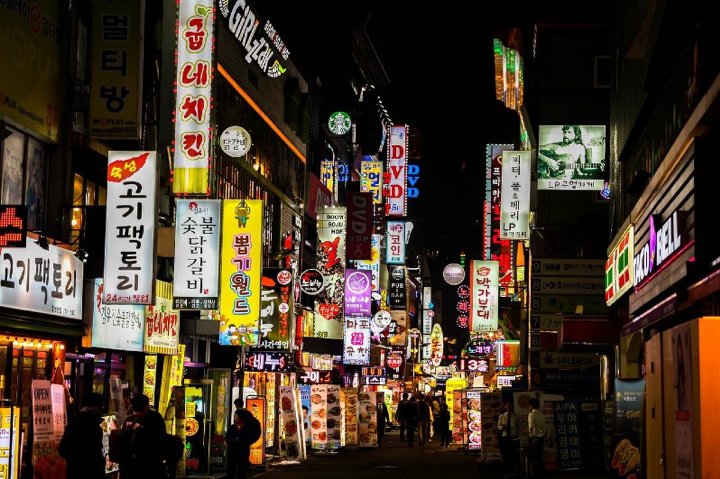
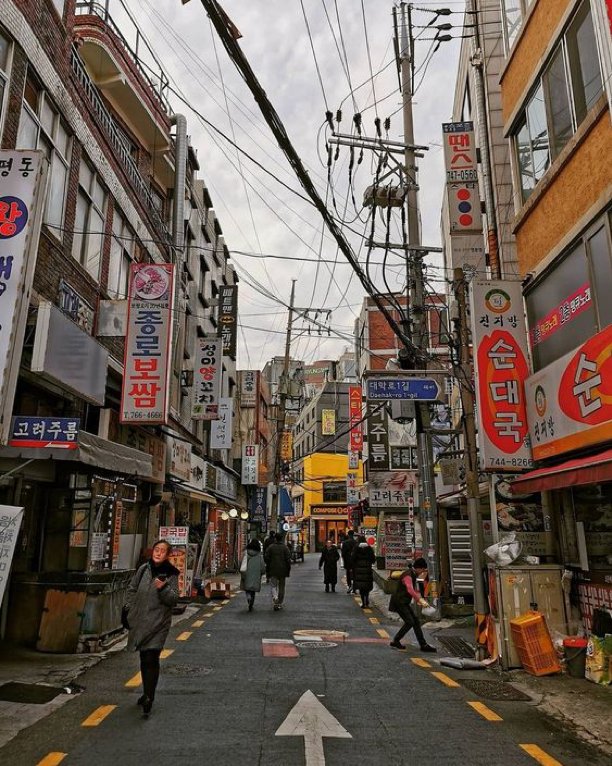
For travelers eager to absorb the high-octane energy of South Korea’s urban centers, Geonbae offers a quintessential metropolitan experience. Characterized by dense clusters of traditional watering holes, modern bars, and neon-lit storefronts, this bustling district encapsulates the nocturnal vitality of the nation’s capital. The architectural and visual makeup of Geonbae is striking, defined by narrow alleys flanked by glowing signage and bustling seating areas that spill out onto the pavement.

Historically, South Korea’s alleyway drinking culture, often associated with pocha (tent-style outdoor bars) and local watering holes, has been a staple of social bonding among working professionals and university students alike. In recent years, K-dramas have frequently utilized these atmospheric streets as backdrop settings for pivotal character interactions, turning ordinary urban thoroughfares into iconic pilgrimage sites for fans. Geonbae remains a dynamic hub that operates at a relentless pace, frequented by both locals unwinding after a demanding workday and international tourists looking to participate in the local social fabric. Industry analysts note that districts featuring this authentic blend of commerce and nightlife are critical drivers of the evening economy, encouraging longer visitor stays and higher localized spending.
Daehakro: The Cultural Epicenter and Korea’s Broadway
Moving from the commercial nightlife of the metropolis to the artistic heartbeat of the city, Daehakro stands as South Korea’s premier destination for performing arts. Spanning approximately 1.6 kilometers, this vibrant cultural corridor is frequently compared to New York City’s Broadway or London’s West End. The name Daehakro literally translates to "University Street," a historical nod to its origins as the former site of Seoul National University’s main campus before its relocation in the late 1970s.
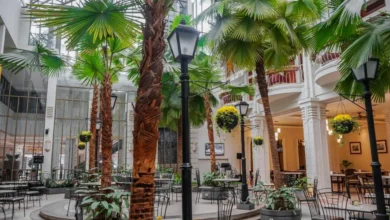
Today, Daehakro is home to an astonishing concentration of independent theaters, live music venues, art galleries, and public creative spaces. The streetscape is uniquely designed to foster pedestrian engagement, lined with public art installations, outdoor cafes, and theaters staging everything from avant-garde experimental plays to long-running commercial musicals. For cultural tourists, Daehakro provides an unparalleled window into the local creative ecosystem. Unlike the massive, stadium-scale K-pop concerts that often dominate international headlines, Daehakro showcases the grassroots vitality of South Korea’s performing arts community. Cultural historians emphasize that this district has played a foundational role in nurturing generations of Korean actors, playwrights, and directors, many of whom transition seamlessly between theater and mainstream television dramas. Consequently, a walk down Daehakro offers visitors a multi-layered appreciation of the nation’s artistic evolution, where historical academic prestige merges with contemporary creative expression.
Starfield Library: Architectural Grandeur and Modern Literary Haven
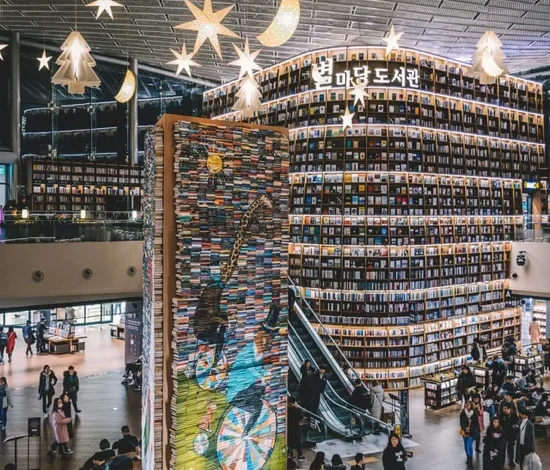
In stark contrast to the historic theater district, the Starfield Library represents the pinnacle of modern architectural ambition and public space design. Located in the heart of the bustling COEX Mall in Gangnam, Seoul, this massive open-plan cultural facility has quickly become one of the most photographed interior spaces in the world. Spanning two levels and anchored by towering bookshelves that reach an impressive height of 13 meters, the library houses tens of thousands of books, magazines, and digital reference materials.
The establishment of the Starfield Library marked a significant shift in urban planning philosophy, demonstrating how commercial retail spaces can successfully integrate free public intellectual hubs. Rather than existing as a quiet, isolated scholarly archive, the library is designed as a vibrant "living room" for the city—a place where shoppers, readers, and tourists converge beneath a soaring glass atrium that floods the interior with natural light. The facility regularly hosts poetry readings, book-signing events, lectures, and musical performances, making it a multifaceted cultural venue.
From an economic and tourism perspective, the Starfield Library serves as a prime example of successful destination marketing. The striking visual symmetry of the towering shelves has made it a viral sensation across global social media platforms, drawing countless international travelers to Gangnam specifically to witness the architectural marvel firsthand. Urban development experts point to projects like the Starfield Library as a transformative model for revitalizing large-scale commercial real estate, proving that aesthetic innovation and public accessibility can coexist harmoniously in densely populated urban centers.
Broader Economic Implications and the Future of Korean Tourism
The sustained popularity of cultural and urban tourism sites in South Korea underscores the profound economic impact of the Hallyu wave. According to macroeconomic data released by national tourism organizations, inbound travel spending has consistently contributed billions of dollars to the domestic economy, with cultural tourism acting as a primary catalyst. The ability of South Korea to leverage its media exports into physical foot traffic is widely studied by global tourism boards seeking to replicate the nation’s success in soft power diplomacy.
Government initiatives have increasingly focused on sustainable tourism development, ensuring that popular districts like Daehakro and commercial hubs like Geonbae can accommodate high volumes of international visitors without degrading the quality of life for local residents. Furthermore, infrastructure improvements—such as multilingual signage, enhanced public transit connectivity, and digital navigation tools—have been systematically implemented to facilitate seamless travel experiences for foreign nationals.
As international travel continues to rebound and evolve in the post-pandemic era, South Korea’s tourism strategy relies heavily on diversifying its appeal. While historical landmarks such as Gyeongbokgung Palace and traditional hanok villages remain essential anchors, modern districts like Geonbae, Daehakro, and the Starfield Library demonstrate the country’s multifaceted identity. By offering a dynamic blend of high-energy nightlife, grassroots artistic heritage, and visionary modern architecture, South Korea ensures that visitors receive a comprehensive, immersive experience that bridges the gap between the fictional worlds of television screens and the vibrant reality of daily life on the peninsula.