KAI Properti Enhances Bogor and Rangkasbitung Stations to Balance Historic Preservation with Modern Transit Demands

JAKARTA — As passenger volumes across Indonesia’s commuter railway networks continue to reach historic highs, infrastructure managers are under mounting pressure to adapt aging assets to contemporary demands. KAI Properti, a subsidiary of the state-owned railway operator PT Kereta Api Indonesia (Persero) or KAI, has spearheaded significant infrastructure upgrades at two of the nation’s vital transportation hubs: Bogor Station in West Java and Rangkasbitung Station in Banten. These modernization efforts are designed to concurrently optimize passenger capacity, streamline boarding procedures, and preserve historically significant architectural elements that anchor the cultural identity of the surrounding communities.
The comprehensive development initiatives reflect a strategic pivot in Indonesia’s urban transit policy. Rather than merely replacing historical structures with utilitarian concrete terminals, KAI Properti’s recent interventions demonstrate an acute awareness of the dual mandate required of modern railway infrastructure: delivering high-capacity efficiency while safeguarding the architectural heritage embedded within the nation’s colonial and post-colonial transportation networks.
Expanding Capacity at Bogor Station to Accommodate High-Density Commuter Flows
At Bogor Station, the impetus for large-scale infrastructure intervention stems directly from overwhelming passenger demand. Serving as one of the busiest terminal points for the Greater Jakarta KRL Commuter Line, the station acts as a critical artery for hundreds of thousands of daily commuters traveling between Bogor and the capital.
Data released by KAI indicates that the Bogor Line alone accommodated an astounding 105,704,913 passengers between January and August 2026. This translates to an average daily throughput of approximately 435,000 commuters. Operating at this scale introduces severe logistical bottlenecks, particularly during peak morning and evening rush hours, where passenger accumulation on platforms can compromise safety and dwell times.
To mitigate congestion and facilitate higher passenger turnover, KAI Properti executed a major platform extension project. Initiated to support the operational rollout of 12-car trainsets (SF12)—which offer substantially higher passenger capacities than their shorter predecessors—the physical overhaul of platforms 6, 7, and 8 officially commenced operations on June 18, 2026.
The technical scope of the Bogor Station project was extensive. Platforms 6 and 7 were lengthened from 201 meters to an expansive 251 meters. Simultaneously, Platform 8 saw its length extended from 204 meters to 252 meters. Beyond the civil engineering required to extend the concrete platforms, the project encompassed the construction of new platform structures and interior halls, the precise laying of new railway tracks, and complex modifications to the Overhead Catenary System (Listrik Aliran Atas, or LAA) to safely power the extended electrical train units.
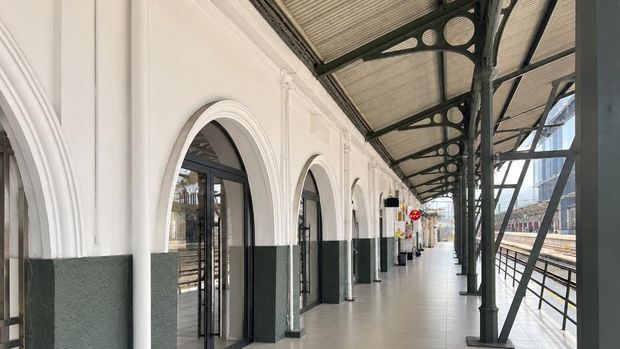
Furthermore, passenger comfort was not overlooked. KAI Properti installed robust new canopies over Platforms 4 and 5, shielding daily commuters from tropical downpours and intense solar radiation.
Managing Logistical Complexities in an Active Rail Environment
Executing heavy construction within a fully operational, high-density railway station presents formidable engineering and safety challenges. Transport planners must balance construction timelines against the uninterrupted movement of hundreds of daily train services and hundreds of thousands of pedestrians.
Manager Corporate Communication of KAI Properti, Bramantya Candrika, underscored the delicate coordination required to execute the Bogor Station project without disrupting public mobility.
"Stations represent a vital component of the transportation ecosystem, playing an enormous role in supporting public mobility," Bramantya stated in an official release. "The execution of work within an active station area requires meticulous planning and coordination. The work was carried out in a phased manner so that facility development could proceed while prioritizing safety, work quality, and the continuity of customer service."
By employing a rolling, phased construction schedule—working primarily during off-peak operational windows and cordoning off designated zones incrementally—KAI Properti managed to complete the structural extensions without triggering catastrophic delays on the heavily trafficked Bogor-Jakarta corridor.
Beautification and Modernization at Historic Rangkasbitung Station
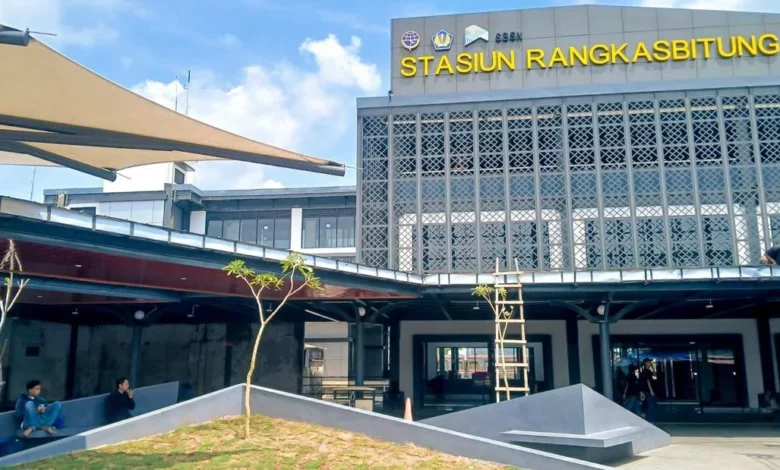
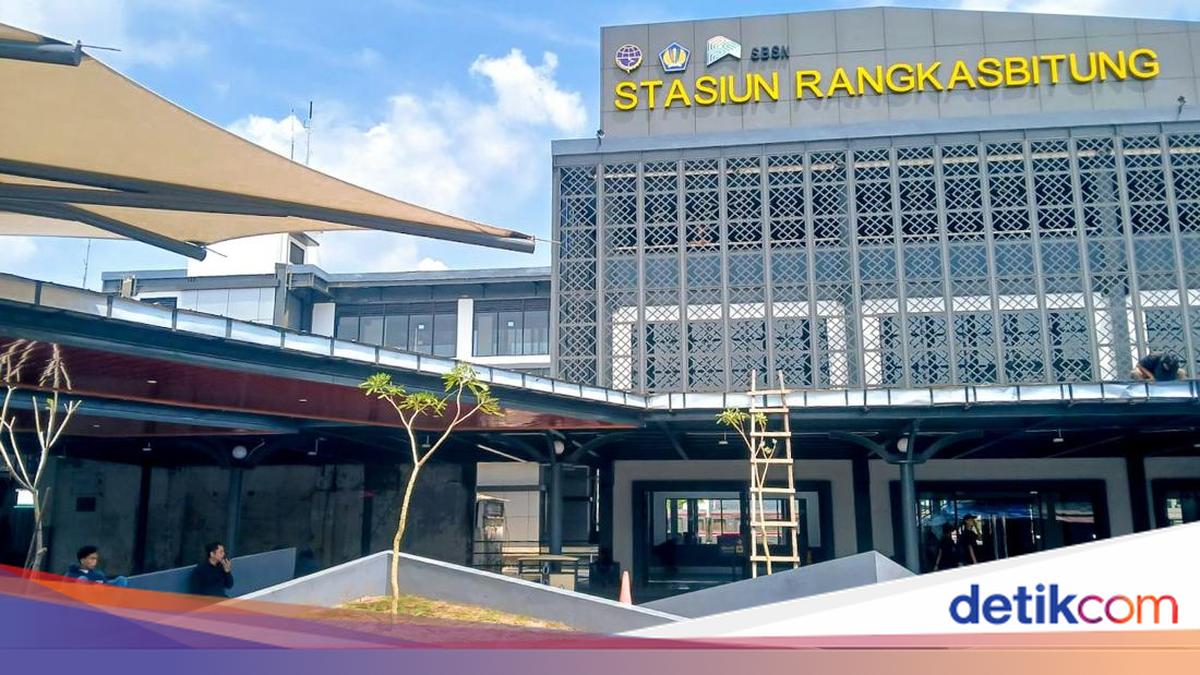
While Bogor Station represents a pure exercise in capacity expansion, the development efforts at Rangkasbitung Station required a fundamentally different approach. Rangkasbitung, a historic railway hub in Lebak Regency, Banten, features valuable heritage architecture that holds deep historical significance for the region.
KAI Properti embarked on an ambitious beautification and restoration initiative beginning in May 2026. The project was meticulously engineered to reconcile the preservation of architectural heritage with the functional demands of modern public transit.
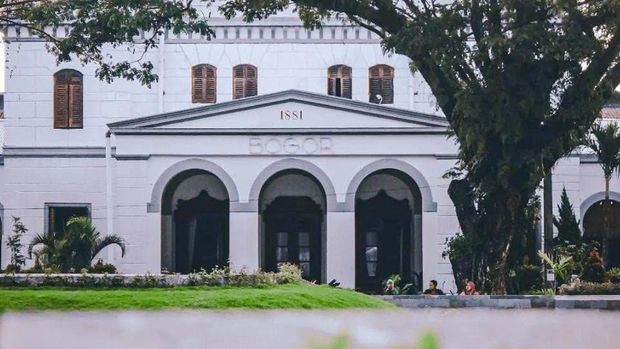
The scope of work at Rangkasbitung’s heritage building was comprehensive, covering structural remediation, architectural detailing, and infrastructural rehabilitation. Restoration crews targeted foundational walls, ceilings, flooring, wooden and metal door frames, windows, and roof assemblies. Crucially, all restoration techniques were mandated to respect and retain the authentic historical character of the structure, ensuring that the station’s storied aesthetic remains intact for future generations.
The operational relevance of Rangkasbitung Station cannot be overstated. It serves as the western terminus for the bustling Commuter Line service linking Rangkasbitung to Tanah Abang in Central Jakarta, as well as the regional non-electrified Merak Local Train (KA Lokal Merak). Between January and July 2026 alone, the station recorded an impressive 8,307,042 passenger movements across these combined services.
Integrating Modern Amenities with Heritage Architecture
Balancing historic preservation with contemporary functional necessities required more than cosmetic touch-ups. Alongside the restoration of the heritage core, KAI Properti integrated vital modern engineering infrastructure into the complex.
The rehabilitation project included comprehensive upgrades to electrical installations, plumbing and sanitary systems, the restoration of historic perimeter fencing, drainage repairs, the installation of modern bio-septic tanks, and extensive landscape architecture redesigns across the station precinct.
To resolve space constraints driven by surging passenger numbers, KAI Properti constructed an entirely new two-story auxiliary building. Designed to blend harmoniously with the adjacent heritage structures, this modern expansion houses essential administrative and passenger-service spaces, complete with contemporary structural framing, architectural finishes, and integrated utility systems.
"The Rangkasbitung Station development is designed to create a balance between historical value and service functionality," Bramantya explained. "Through the beautification of Rangkasbitung Station, KAI Properti presents an approach that safeguards heritage identity while supporting the community’s mobility needs."
He added that the overarching philosophy of the project centers on maintaining a living connection between the past and the present. "We want Rangkasbitung Station to remain an integral part of the public’s journey with a strong historical identity. Through this arrangement, heritage assets can continue to provide value, function, and benefits to society both today and in the future."
Broader Economic and Urban Implications
The concurrent modernizations of Bogor and Rangkasbitung stations highlight a broader trend in Indonesian infrastructure development: transit-oriented revitalization acting as a catalyst for regional economic growth and urban regeneration.
As the Greater Jakarta conurbation expands outward, commuter rail corridors function as primary economic lifelines, connecting suburban residential hubs with urban employment centers. By increasing platform capacity at Bogor, KAI Properti has directly addressed the chronic bottlenecking that deters potential riders, thereby encouraging a modal shift from private motor vehicles to sustainable public mass transit. This reduction in private vehicle usage aligns directly with national carbon reduction targets and urban decongestion strategies.
Concurrently, the sensitive preservation of Rangkasbitung Station underscores a growing recognition that historical infrastructure possesses intrinsic cultural capital. By transforming an aging, potentially neglected historical asset into a vibrant, fully functional modern transit hub, KAI Properti has demonstrated that infrastructural efficiency and cultural preservation are not mutually exclusive goals.
As these newly expanded and beautified facilities settle into full operation through the remainder of 2026, they stand as benchmarks for future railway infrastructure projects across the archipelago—proving that public transport can simultaneously honor its historical roots while aggressively scaling to meet the demands of a rapidly modernizing nation.