Tragedy in Karak: Nine Dead and Dozens Injured Following Terrorist Attack on Greek Orthodox Church in Jordan

The tranquil atmosphere of Al-Hammoud village in Jordan’s southern Karak Governorate was shattered on Friday afternoon when a coordinated armed assault targeted a Greek Orthodox funeral service at Saint George Church, resulting in a tragic loss of life and a significant security crisis for the Hashemite Kingdom. As of Sunday, October 25, 2026, the official death toll from the attack has risen to nine, with 25 others sustaining injuries ranging from minor to life-threatening. The incident, which government officials have unequivocally categorized as an act of terrorism, has sent shockwaves through the nation, raising questions about internal security, sectarian harmony, and the rise of extremist threats in a region known for its relative stability.
The Chronology of the Attack
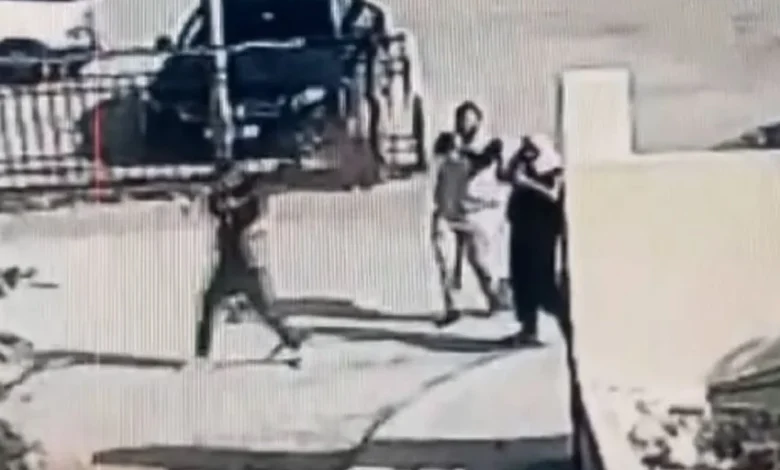
The violence erupted on Friday afternoon during a somber, private funeral ceremony held within the walls of Saint George Church. According to preliminary reports and CCTV footage retrieved by local authorities, at least three armed assailants breached the church’s perimeter. The attackers, utilizing automatic weapons, initiated a calculated barrage of gunfire against the congregants who had gathered to pay their final respects to a deceased community member.
The element of surprise facilitated a rapid escalation of violence. Eyewitnesses described a scene of absolute chaos as attendees scrambled for cover within the church sanctuary and the surrounding courtyard. The attackers did not discriminate in their targeting, firing indiscriminately into the crowd before attempting to flee the scene. Local security forces were alerted immediately, leading to a high-stakes standoff that prevented further casualties within the building. However, by the time the perimeter was secured, the damage had been catastrophic.
Initial reports from the site indicated seven fatalities. However, the situation remained fluid throughout the weekend as victims succumbed to their wounds in medical facilities. By Saturday, Minister of Health Ibrahim al-Bdour confirmed the grim update to international news agencies. "The number of victims who died in the terrorist attack on the church in the village of Al-Hammoud, Karak, has risen to nine," al-Bdour stated. The two additional deaths occurred while medical personnel were struggling to stabilize patients in critical condition.
Medical Response and Ongoing Care
The logistics of the emergency response were hampered by the remoteness of the Al-Hammoud village, yet local medical infrastructure mobilized swiftly. The 25 survivors currently hospitalized are being treated in regional hospitals, including the Karak Governmental Hospital, which has been placed on high alert. Medical teams are grappling with complex trauma injuries, and the Ministry of Health has requested additional blood donations and specialized surgical support from Amman to manage the influx of patients.
Minister al-Bdour emphasized that the government is providing full coverage for the medical expenses of all victims, ensuring that resources are not a barrier to survival for those still fighting for their lives. Psychosocial support teams have also been deployed to assist the families of the victims and the survivors, as the psychological trauma of witnessing a massacre in a place of worship is expected to have long-lasting effects on the small, tightly-knit Christian community in Karak.
Regional Context and Historical Significance
Karak has historically been a symbol of coexistence in Jordan, where Muslim and Christian communities have lived in harmony for centuries. The targeting of a church in this specific region is perceived by political analysts as a deliberate provocation aimed at fracturing the social fabric of the Kingdom. Jordan, often referred to as an "oasis of stability" in a volatile Middle East, has previously faced threats from extremist ideologies, but large-scale attacks on civilian religious infrastructure are relatively rare.
The attack comes at a time when regional tensions are elevated. Analysts suggest that the perpetrators may be affiliated with decentralized extremist cells seeking to exploit local grievances. While the government has labeled the group as terrorists, the investigation is currently focused on determining whether the assailants had external support or were part of an "insider threat" network. The use of sophisticated weaponry and the timing of the strike suggest a level of planning that security services are now meticulously dissecting.
Official Government Reaction and Security Implications
The Jordanian government, led by the Prime Minister’s office, issued a strongly worded statement on Saturday, vowing to pursue those responsible for the "cowardly act." Security agencies have launched a massive dragnet across the southern governorates, deploying armored vehicles and increasing patrols at critical infrastructure and religious sites nationwide.
"The Kingdom will not tolerate any attempt to undermine the security and safety of its citizens," a government spokesperson said during a press briefing. "The perpetrators of this heinous crime against our Christian brothers and sisters will be brought to justice, regardless of their affiliations or motives."
King Abdullah II has been kept apprised of the situation, meeting with senior military and intelligence officials to discuss the gaps in national security that allowed the attack to occur. The monarch has emphasized the necessity of unity, urging the Jordanian public to reject divisive rhetoric and stand together against the scourge of terrorism.
Societal Impact and Communal Resilience
In the wake of the attack, the Christian community in Jordan has received an outpouring of solidarity from Muslim leaders, civil society organizations, and ordinary citizens. Vigils have been planned in various cities, and social media platforms are flooded with messages of "One Jordan," reflecting the nation’s historical commitment to national unity.
However, beneath the veneer of solidarity lies deep-seated anxiety. Many in the Christian community are questioning the adequacy of the security measures provided for religious minorities. Church leaders have held emergency meetings with the Ministry of Interior to discuss the implementation of more robust security protocols, including the installation of advanced surveillance systems and a permanent security presence during major religious services.
Comparative Analysis: The Global Threat Landscape
The tragedy in Jordan coincides with a broader global pattern of violence targeting places of worship. Just recently, a similar mass shooting event in Pennsylvania, United States, claimed nine lives, highlighting the universal nature of the threat faced by religious congregations today. These events underscore a disturbing trend where soft targets are increasingly prioritized by violent non-state actors looking to generate maximum psychological impact and social division.
From a policy perspective, security experts argue that "fortress-style" security for churches and mosques is an unsustainable long-term solution. Instead, they advocate for a multi-layered approach that includes community-led intelligence sharing, deradicalization programs targeting youth, and a strengthened social contract that leaves no community feeling marginalized or vulnerable.
Looking Ahead: The Path to Justice
As the investigation continues, the focus remains on the identification of the three men seen in the CCTV footage. Authorities have released stills from the video, urging the public to provide any information that could lead to the arrest of the suspects. The border regions are under heightened surveillance to ensure that the perpetrators do not escape the country.
For the village of Al-Hammoud, the coming weeks will be a period of mourning and reflection. The funerals for the nine victims will be held under heavy security, a somber reminder of the danger that remains. The government faces the immense challenge of not only delivering justice but also restoring the sense of safety that the Jordanian people have long considered their birthright.
The attack on the Greek Orthodox Church in Karak is more than just a crime; it is a test of the state’s resilience. As Jordan navigates the aftermath of this tragedy, the world is watching to see how the Kingdom balances its commitment to democracy and human rights with the inevitable pressure to clamp down on extremist threats. For now, the people of Jordan remain in a state of shock, united by a shared grief and a firm resolve that the hate that fueled the events of Friday will not define the future of their nation.