Ensuring Proper Hydration in Children: Essential Guidelines for Parents on Fluid Intake, Dehydration Risks, and Creative Ways to Keep Kids Healthy

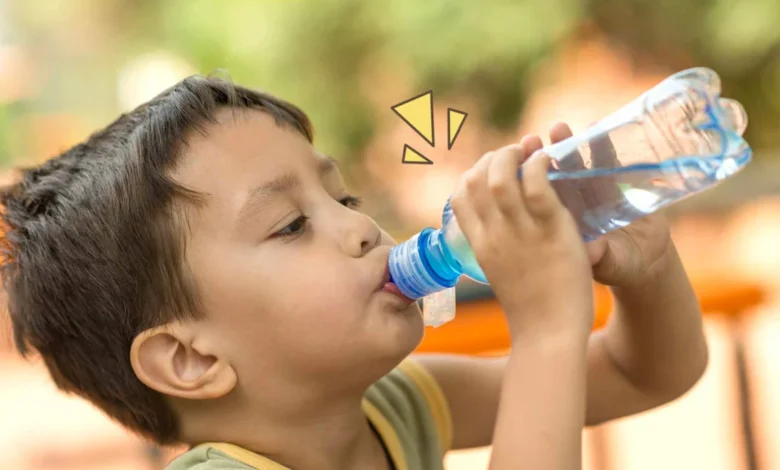
Maintaining adequate daily fluid intake is a critical yet frequently overlooked component of pediatric health and wellness. While parents often prioritize balanced nutrition, sleep schedules, and physical activity, the foundational role of water in sustaining a child’s physiological functions can sometimes be relegated to the background. Medical experts and public health researchers increasingly emphasize that water is not merely a thirst quencher, but a vital biological medium that regulates body temperature, cushions joints, protects organs, and facilitates the efficient transport of nutrients throughout the growing body.
Recent scientific literature underscores the profound impact of proper hydration on pediatric development. According to a landmark study published in the American Journal of Public Health, maintaining optimal water consumption among children and adolescents is directly correlated with sustaining a healthy body weight, minimizing dental decay issues, and significantly enhancing cognitive performance, including memory, attention span, and academic processing speeds. Conversely, even mild dehydration can trigger adverse physiological and psychological responses, leaving children vulnerable to chronic fatigue, irritability, headaches, and a diminished capacity to concentrate in academic or social settings. Consequently, pediatricians and child health specialists strongly advise parents to actively monitor and fulfill their children’s daily fluid requirements to safeguard their overall well-being and developmental trajectory.
Understanding Pediatric Fluid Dynamics and Vulnerability to Dehydration

Children possess a unique physiological makeup that renders them significantly more susceptible to dehydration than adults. Pound for pound, children have a higher total body water percentage, a larger body surface area relative to their mass, and metabolic rates that generate more heat during physical exertion. Furthermore, children are naturally energetic, frequently engaging in active play, sports, and outdoor activities that provoke substantial perspiration. Because their thermoregulatory systems are still maturing, children may not always recognize the early physiological cues of thirst, often delaying fluid intake until dehydration has already begun to manifest.
As children grow and transition through different developmental stages, their absolute fluid requirements scale upward. According to guidelines established by pediatric organizations such as Healthy Children, daily water intake must be carefully tailored to age, body weight, environmental temperatures, and physical activity levels. Infants, toddlers, school-aged children, and adolescents all have distinct baseline fluid thresholds. For instance, during periods of vigorous athletic training or high ambient temperatures, children aged 9 to 12 years require specific supplemental hydration—such as consuming 80 to 230 milliliters of water every 20 minutes of intense physical activity—to offset fluid losses through sweat and maintain hemodynamic stability.
Chronological and Environmental Factors Impacting Daily Hydration
The necessity for structured hydration practices follows a chronological pattern dictated by a child’s daily routine, environmental exposure, and physical exertion levels. The timeline of a typical day exposes children to various dehydrating catalysts: morning school environments where water access may be irregular, midday physical education classes or outdoor recess characterized by heavy sweating, and afternoon extracurricular activities.

Environmental conditions play a decisive role in altering this timeline. During hot summer months or in humid indoor environments, insensible water loss through respiration and perspiration accelerates dramatically. If fluid intake is not proactively increased to match these environmental stressors, children rapidly slip into a state of hypohydration. Historical public health tracking indicates that pediatric emergency room visits for heat-related illnesses and dehydration spike predictably during seasonal heatwaves, underscoring the necessity of anticipatory hydration strategies rather than reactive measures taken only after symptoms appear.
Practical Strategies for Parents to Encourage Optimal Fluid Intake
Recognizing the challenge many parents face in persuading children to drink plain water, pediatric nutritionists recommend several evidence-based, creative strategies to seamlessly integrate hydration into a child’s daily habits.
First, transforming the act of drinking into an engaging and visually appealing experience can significantly boost compliance. Utilizing brightly colored reusable water bottles adorned with a child’s favorite cartoon characters or animals removes the element of coercion, framing hydration as a fun and autonomous choice.
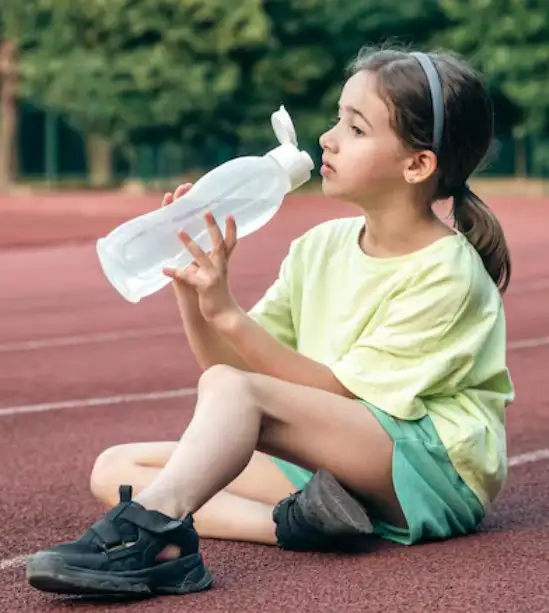
Second, addressing taste preferences through natural flavoring offers an effective solution for children who resist plain water. Infusing water with natural fruit elements—such as fresh slices of lemon, sweet oranges, berries, or cooling cucumbers—creates a refreshing beverage that appeals to a child’s palate without the introduction of processed sugars or artificial additives. Letting the fruit steep for a short period allows essential oils and subtle flavors to permeate the water, resulting in an aesthetically vibrant and flavorful drink.
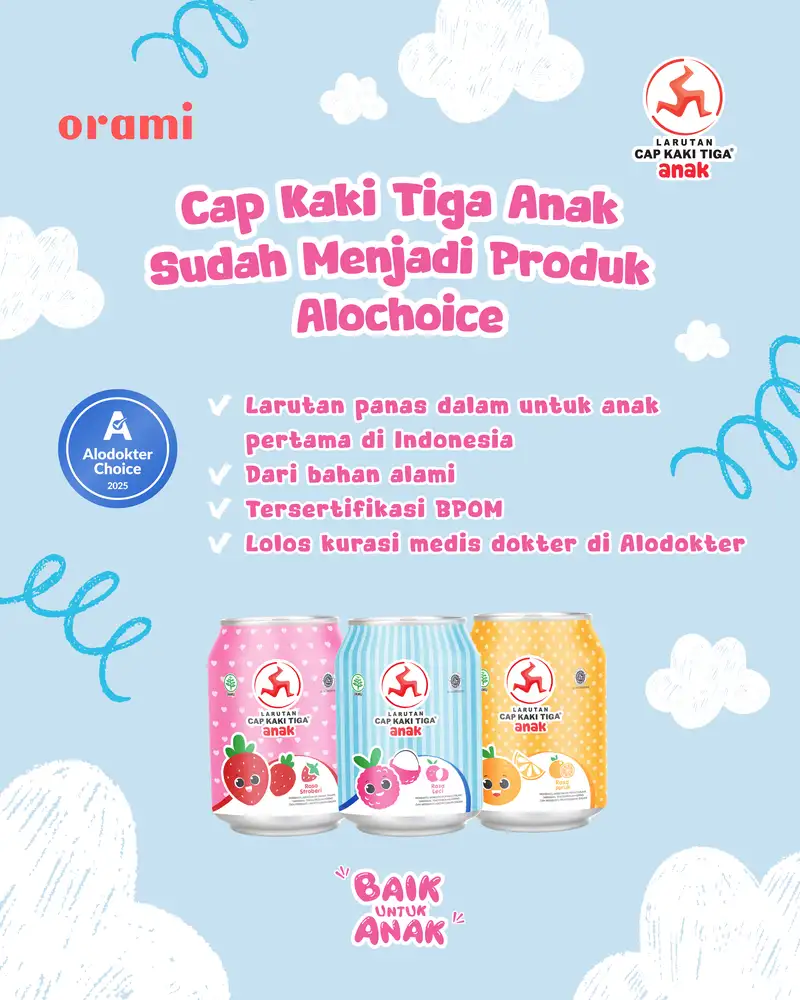
In addition to whole fruits and flavored waters, specialized functional beverages can serve as supplementary tools for parents. For instance, specialized pediatric electrolyte and cooling solutions, such as Cap Kaki Tiga Anak, are formulated specifically for children to assist with daily hydration needs, particularly during warm weather or after high-energy physical exertion. These formulations, containing ingredients like Gypsum Fibrosum and Calcitum, are designed to refresh the body while providing relief from common childhood discomforts such as mild heat symptoms, canker sores, and dry throats. Regulatory safety standards, including approvals from food and drug authorities and endorsements from prominent medical platforms like Alodokter, ensure that such specialized options meet stringent safety profiles for pediatric consumption when used appropriately.
Third, establishing the routine of carrying a portable water bottle ensures constant accessibility. Whether attending school, participating in playground activities, or embarking on family road trips, having a lightweight, safe, and durable water bottle within arm’s reach encourages the child to sip small amounts consistently throughout the day, mitigating the risk of sudden dehydration.
Fourth, leveraging dietary sources of water provides a delicious alternative to drinking fluids directly. Incorporating water-dense fruits and vegetables into snacks and meals—such as watermelon, cantaloupe, strawberries, grapes, and cucumbers—allows children to absorb significant amounts of hydration naturally while enjoying nutrient-rich whole foods.
Fifth, early education plays a foundational role in shaping lifelong health habits. Parents can utilize age-appropriate storytelling books, educational animations, and interactive discussions to explain why the human body needs water to function, run, and play. Connecting the consumption of water to a child’s favorite activities—such as soccer, cycling, or dancing—helps internalize the habit organically.
Clinical Implications and the Severe Risks of Pediatric Dehydration
Failure to maintain adequate fluid balance poses severe clinical risks. According to comprehensive medical data compiled by the National Center for Biotechnology Information, pediatric dehydration is categorized into mild, moderate, and severe stages, each presenting escalating physiological dangers.
When a child experiences significant fluid deficits, the body initiates compensatory mechanisms. Blood volume decreases, forcing the cardiovascular system to work harder to maintain perfusion to vital organs. This manifests clinically as tachycardia, a condition where the heart beats at an abnormally rapid rate. Additional physiological indicators of inadequate fluid intake include pronounced thirst, dryness of the oral mucous membranes, sunken eyes, a notable decrease in skin elasticity, lethargy, dizziness, and cognitive confusion.

Furthermore, renal function is directly impacted by hypohydration. Parents and caregivers should monitor indicators such as urine output and coloration; dark, concentrated urine and oliguria—a significant reduction in urine volume—serve as immediate red flags signaling that the kidneys are conserving water due to systemic depletion. In severe cases, untreated dehydration can progress to hypovolemic shock, electrolyte imbalances, kidney failure, and life-threatening neurological complications.
Broader Public Health Impact and Future Recommendations
The implications of childhood hydration extend far beyond individual household routines, forming a cornerstone of broader public health initiatives aimed at preventing non-communicable diseases and optimizing developmental outcomes. Public health organizations advocate for systemic changes, such as ensuring that schools provide clean, accessible drinking water fountains and encouraging policy frameworks that limit sugary beverage consumption in favor of water.
Ultimately, safeguarding a child’s hydration status requires a collaborative, informed approach shared by parents, educators, and healthcare providers. By understanding age-specific fluid requirements, recognizing the subtle warning signs of impending dehydration, and implementing creative, engaging strategies to encourage consistent water consumption, parents can protect their children from the acute dangers of heat-related illness while laying a durable foundation for long-term health, vitality, and academic success.