PDI Perjuangan Seeks Transparency from National Nutrition Agency Amid Allegations of Widespread Political Involvement in Free Nutritious Meal Program

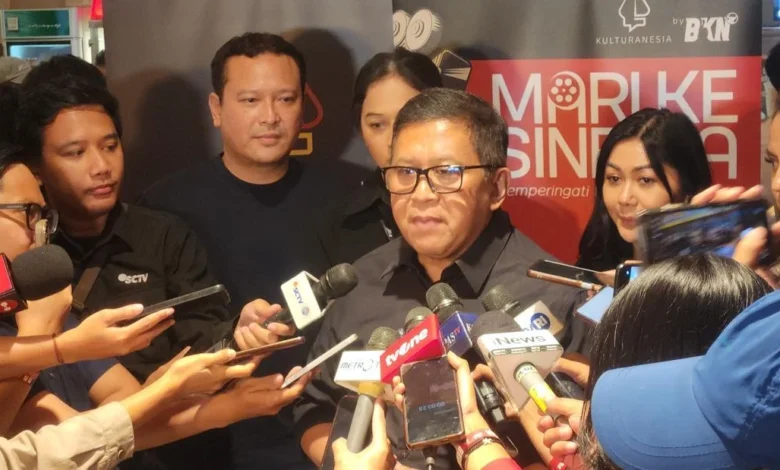
PDI Perjuangan (PDIP), Indonesia’s largest political party, has formally requested comprehensive data from the National Nutrition Agency (BGN) regarding the alleged involvement of its cadres in the procurement processes for the government’s ambitious Free Nutritious Meal (MBG) program. This move comes in direct response to an earlier public statement by a high-ranking BGN official, who claimed that almost all political parties had members involved in the program’s supply chain. The party, through its Secretary-General Hasto Kristiyanto, emphasized its commitment to internal discipline and ensuring that no party members exploit public welfare initiatives for personal gain, underscoring a critical push for accountability and transparency in a program designed to address national health challenges.
The formal letter, dispatched by the Central Leadership Council (DPP) of PDI Perjuangan, seeks specific information that would enable the party to conduct a thorough internal investigation and implement corrective measures if any of its members are found to have violated party regulations or ethical standards. Hasto Kristiyanto articulated the party’s position to reporters on Saturday, July 18, 2024, at Taman Ismail Marzuki (TIM) in Central Jakarta, stressing the seriousness with which PDIP views the BGN’s generalized accusation. "We sent that letter precisely because the Deputy Head of the National Nutrition Agency had stated that almost all political parties were involved in the procurement through the SPPG (Self-Managed Community Procurement) scheme," Hasto explained, highlighting the basis for their proactive stance. "As of now, we have not received a response. However, our intention is clear: if such claims by an authoritative body like the National Nutrition Agency are true, we must take immediate steps to correct and discipline our internal ranks."
Background of the Free Nutritious Meal (MBG) Program
The Free Nutritious Meal (MBG) program is a flagship social welfare initiative designed to combat malnutrition, particularly stunting, and improve the nutritional status of vulnerable populations across Indonesia. Launched with significant fanfare, the program aims to provide balanced meals to target groups, including pregnant women, infants, and school children, to foster healthier development and enhance public well-being. The program’s inception reflects a national commitment to human capital development, recognizing that adequate nutrition is fundamental for cognitive development, physical health, and overall productivity.
The MBG program is typically implemented through various channels, often involving local communities, small and medium enterprises (SMEs), and self-managed community procurement (SPPG) schemes. The SPPG model, while intended to empower local communities and ensure efficient distribution, can sometimes present challenges related to oversight, transparency, and the potential for undue influence. The sheer scale and decentralized nature of such a massive national program, often involving substantial government budgets, naturally attract scrutiny from various stakeholders, including political parties, civil society organizations, and the public. The national budget allocation for such a program would typically run into trillions of Rupiah, making it a significant economic undertaking with widespread impact. For instance, similar large-scale social programs in Indonesia have seen budgets exceeding IDR 10 trillion annually, illustrating the vast resources involved and the inherent risks of mismanagement if robust oversight mechanisms are not in place.
The National Nutrition Agency’s Allegations and Mandate
The National Nutrition Agency (BGN) plays a crucial role in formulating, coordinating, and implementing national nutrition policies and programs. Its mandate includes monitoring nutritional trends, conducting research, and ensuring the effective delivery of food and nutrition interventions. Given its oversight responsibilities, a statement from a BGN official regarding widespread political involvement in the MBG program’s procurement carries significant weight. While the specific details of the Deputy Head’s statement were not fully elaborated in the initial reports, the essence—that "almost all political parties" were involved—suggests a systemic issue rather than isolated incidents. This generalized accusation implicitly casts a shadow over the integrity of the procurement process and raises questions about the impartiality and efficiency of program delivery.
The BGN’s ability to identify and quantify political involvement would likely stem from its access to procurement data, vendor lists, and potentially, audit reports related to the MBG program. Such data would be critical in tracing the beneficiaries of procurement contracts and identifying any links to political affiliations. The agency’s role as an independent body responsible for public health makes its statements particularly impactful, prompting calls for greater transparency from political entities.
PDI Perjuangan’s Stance on Internal Discipline and Accountability
PDI Perjuangan has consistently positioned itself as a party committed to clean governance and fighting corruption. Hasto Kristiyanto reiterated this core principle, stating that the party has a strict policy prohibiting its members and cadres from seeking personal financial gain from government programs intended for the public good. "The party has taken a firm policy that every member and cadre is forbidden to be involved in any process of seeking profit from a program that should be dedicated to the interests of the people," Hasto affirmed. This policy is a cornerstone of PDIP’s internal code of conduct, designed to uphold the party’s ideological commitment to social justice and public service.
The party’s proactive request for data from the BGN is a strategic move to demonstrate its commitment to these principles. By initiating an internal review based on external allegations, PDIP aims to reinforce its integrity and address any potential misconduct within its ranks before external pressure mounts. This approach seeks to prevent reputational damage and ensure that the party remains aligned with its public image as a champion of the people. It also reflects a broader political climate in Indonesia, where public trust in institutions, including political parties, is frequently tested by allegations of corruption and misuse of public funds. PDIP’s leadership understands that swift and decisive action on such matters is crucial for maintaining credibility, especially as the nation approaches future electoral cycles. The party’s historical narrative often emphasizes its role in advocating for the poor and marginalized, making any perceived deviation from this principle particularly damaging.
The Importance of Transparency and Data in Public Programs
The demand for data from the BGN highlights a critical aspect of good governance: transparency in public procurement. In large-scale government programs like MBG, the integrity of the procurement process is paramount. Any allegations of political interference or personal profiteering can erode public trust, undermine the program’s effectiveness, and divert resources away from the intended beneficiaries. The SPPG (Self-Managed Community Procurement) scheme, while designed to foster local participation and economic empowerment, can also be vulnerable to manipulation if oversight mechanisms are weak. Identifying the specific individuals or entities involved in procurement, their affiliations, and the nature of their contracts is essential for ensuring accountability.
The data sought by PDIP would typically include lists of vendors, contract values, project locations, and the names of individuals or organizations associated with the procurement process. Such information, when cross-referenced with party membership databases, would allow for a precise identification of any cadres potentially involved in conflicts of interest or illicit activities. The BGN’s reluctance or delay in providing this information, as noted by Hasto, raises further questions about the agency’s own transparency protocols or potential challenges in compiling such sensitive data. Ensuring the integrity of procurement processes is not just a matter of preventing corruption; it also ensures that public funds are utilized efficiently to achieve the program’s objectives, ultimately benefiting the millions of Indonesians who rely on such welfare initiatives. Independent audits and public disclosure of procurement details are often cited by anti-corruption bodies as best practices to safeguard public funds.
Potential Reactions and Broader Political Implications
The allegations from the BGN and PDIP’s subsequent demand for data have significant implications for the broader political landscape in Indonesia. The claim that "almost all political parties" are involved in the MBG program’s procurement suggests a systemic issue that extends beyond a single party. This could prompt similar internal reviews from other political parties or lead to a collective call for a more thorough, independent investigation into the program’s procurement processes.
- From the National Nutrition Agency (BGN): The BGN’s response to PDIP’s letter will be closely watched. They could choose to provide the requested data, citing transparency and cooperation with political entities to ensure program integrity. Alternatively, they might cite data privacy concerns, the ongoing nature of internal investigations, or the complexity of compiling such extensive information across numerous local implementations, potentially leading to further delays. A lack of response could be perceived as either an inability to substantiate the initial claim or a reluctance to expose sensitive information that might implicate a wider network of actors.
- From Other Political Parties: While PDIP has taken the lead in requesting data, other major political parties, especially those who might also be implicated by BGN’s general statement, could issue their own statements. Some might deny any involvement, while others might join the call for full transparency and a comprehensive audit of the MBG program to clear their names. This situation could become a test of collective political will to address potential corruption in public welfare programs.
- From Civil Society Organizations (CSOs) and Anti-Corruption Watchdogs: CSOs and anti-corruption bodies would likely welcome PDIP’s initiative as a positive step towards accountability. They would, however, press for full disclosure of the BGN data and advocate for independent investigations, emphasizing that internal party reviews should be complemented by external scrutiny to ensure objectivity and thoroughness. Organizations like Transparency International Indonesia or Indonesia Corruption Watch would likely issue statements calling for full transparency and potential legal action against any individuals found to have misused public funds.
- Public Perception: The public’s perception of the MBG program and the integrity of political parties could be significantly impacted. Allegations of corruption in welfare programs designed for the most vulnerable often lead to widespread public cynicism and distrust in government and political institutions. Maintaining public confidence in such vital programs is crucial for their long-term success and sustainability.
Implications and Future Outlook
The ongoing situation presents several key implications. For PDI Perjuangan, successfully demonstrating its commitment to internal discipline and clean governance can bolster its public image and political standing. Failure to address the allegations, or a perceived lack of transparency from the BGN, could undermine trust in both the party and the government’s ability to manage critical social programs.
For the MBG program itself, the allegations underscore the critical need for robust oversight mechanisms, clear procurement guidelines, and stringent accountability measures. Ensuring that the program’s resources reach their intended beneficiaries without leakage or diversion is paramount to its success in combating malnutrition and improving public health. This incident might prompt a review of the SPPG system to identify and mitigate vulnerabilities.
Hasto Kristiyanto confirmed that PDI Perjuangan remains steadfast in its pursuit of the data. He stated that if the initial letter goes unanswered, the party intends to send a second, follow-up request. This persistence signals the party’s determination to uncover the truth and take necessary actions. The unfolding developments will serve as a crucial test of transparency and accountability within Indonesia’s political and administrative landscape, with potential ramifications for how large-scale social welfare programs are managed and overseen in the future. The outcome of this exchange between PDIP and BGN will undoubtedly set a precedent for how allegations of political involvement in public procurement are addressed, shaping public trust and the future integrity of national development initiatives.