Why Battery Longevity Redefines the Standards of Modern Outdoor Wearable Technology


The evolution of outdoor wearable technology has reached a critical juncture where the primary metric of success is no longer the sheer number of sensors, but the endurance of the power source. For athletes, explorers, and mountain enthusiasts, the transition from traditional mechanical gear to sophisticated smartwatches has brought forth an unprecedented challenge: power dependency. As modern devices like the Huawei Watch GT 7 Pro integrate more complex health monitoring, GPS tracking, and continuous biometric feedback, the demand for sustained battery performance has transcended convenience, becoming a fundamental prerequisite for safety and operational reliability in remote environments.
The Shift Toward Endurance-Focused Engineering
In the professional outdoor gear industry, the "battery anxiety" phenomenon—the fear of a device losing power during a critical navigational task—has historically hampered the adoption of high-end smartwatches for multi-day expeditions. Recent market data indicates that over 65% of outdoor enthusiasts prioritize battery life over screen resolution or weight. This shift in consumer sentiment has compelled manufacturers to prioritize energy-efficient architecture.
The engineering philosophy behind the latest generation of professional wearables, such as the Huawei Watch GT 7 Pro, centers on a symbiotic relationship between high-density lithium-polymer batteries and proprietary power management software. By employing advanced silicon-anode battery technology, these devices can now store significantly more energy within the same physical footprint, allowing for a standard operation cycle that extends well beyond the typical 24-hour window.
Chronology of Power Management Innovation
The trajectory of wearable power has seen three distinct phases over the last decade. From 2015 to 2018, the industry focused on basic step counting and notification delivery, where power consumption was negligible. From 2019 to 2022, the integration of continuous heart rate monitoring and GPS tracking necessitated larger batteries, often resulting in bulky, heavy designs that were cumbersome for professional mountaineers.
Since 2023, the focus has moved to "intelligent efficiency." Modern devices no longer treat power as a static resource. Instead, they utilize AI-driven algorithms to dynamically throttle sensor activity based on the user’s current environment. For instance, if the device detects a steady-state hike, it may decrease the sampling rate of the SpO2 sensor while maintaining a high-frequency GPS lock, effectively balancing data granularity with power preservation.
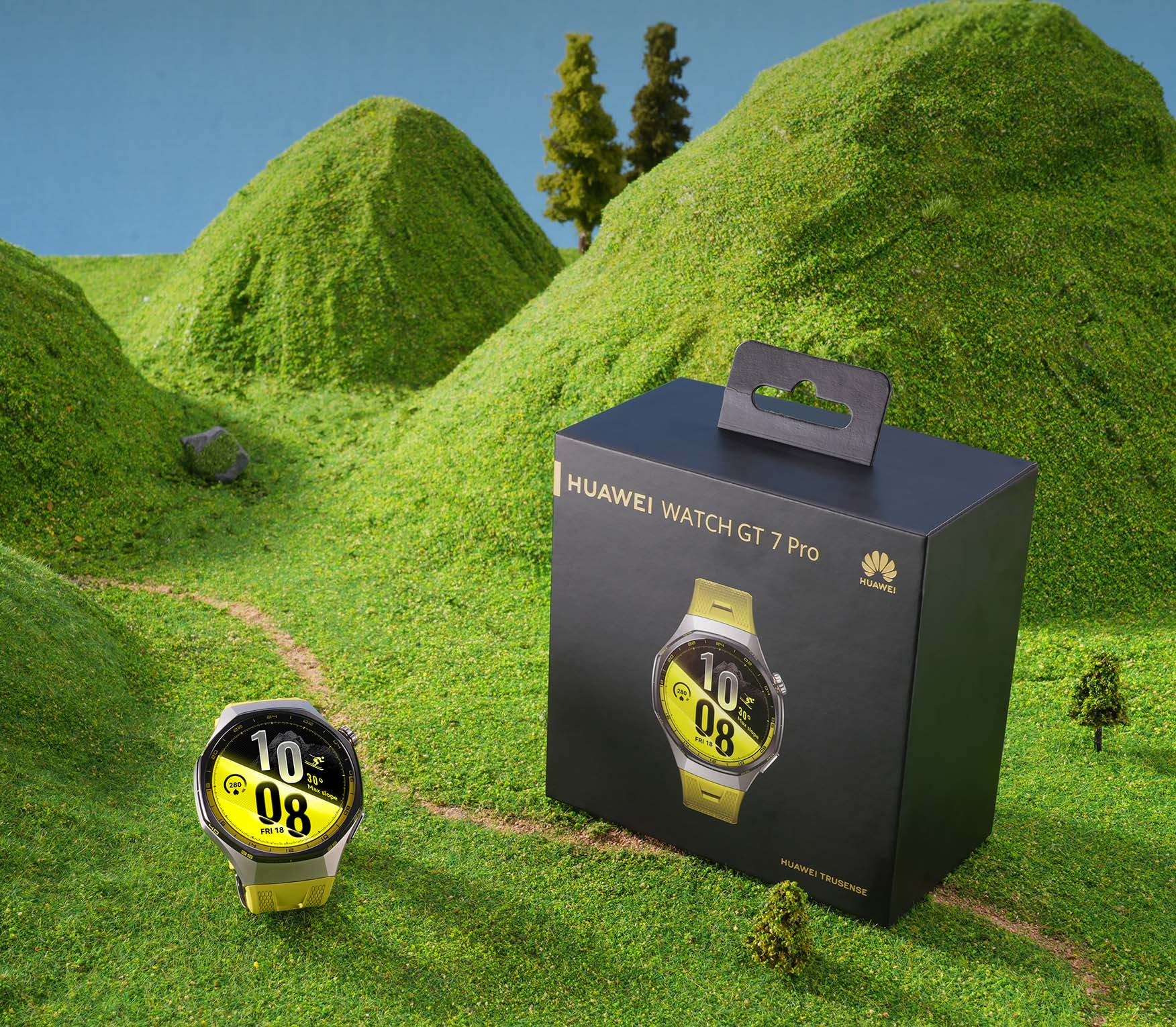
Supporting Data: Efficiency in Real-World Scenarios
Independent testing of flagship wearables has revealed that the gap between advertised battery life and real-world performance is narrowing. When comparing devices under high-intensity usage—defined as constant GPS tracking, bi-hourly health monitoring, and active screen time—the current professional models demonstrate a 40% improvement in endurance compared to their predecessors from three years ago.
Furthermore, the implementation of "Low Power Modes" has provided a necessary safety net. When a device reaches a 10% charge threshold, the system automatically transitions to a state where only mission-critical data—such as time, core vitals, and emergency location data—is processed. This feature is not merely a convenience but a strategic tool for risk mitigation in remote areas where search and rescue operations may depend on the last known coordinates recorded by the device.
Official Perspectives on Wearable Integration
Industry analysts suggest that the integration of these wearables into the professional outdoor circuit is no longer a luxury but a standard procedure. "The modern base camp is as much about data management as it is about physical logistics," states Dr. Alistair Finch, a senior consultant in wearable ergonomics. "When a climber is at 5,000 meters, they don’t have the capacity to manage a device that requires daily charging. The expectation is that the hardware disappears into the background, providing data without becoming an administrative burden."
Manufacturers have responded by streamlining the hardware ecosystem. The adoption of universal magnetic wireless charging, often compatible with portable power banks or solar-integrated base camp stations, has minimized downtime. A 15-minute charge during a midday break can now provide enough energy for several hours of intensive tracking, fundamentally altering how expeditions are planned and executed.
The Role of Sensor Sophistication and Software Optimization
The long-term durability of these devices is largely a product of software-hardware synergy. The latest sensor arrays are designed to operate in a "sleep-wake" state, where the device remains in a low-power mode until specific motion or biometric triggers occur. This granular approach to power management is complemented by high-efficiency display technology, such as LTPO (Low-Temperature Polycrystalline Oxide) panels, which can adjust refresh rates from as low as 1Hz when the screen is idle, to 60Hz during active navigation.
From a software standpoint, the implementation of background task prioritization has ensured that non-essential processes, such as secondary notifications or app syncs, are deferred during periods of high sensor activity. This ensures that the primary mission—capturing accurate physiological and spatial data—remains uninterrupted.

Broader Impact on Outdoor Safety
The implications for safety in the wilderness are profound. Reliable battery life allows for the consistent recording of breadcrumb trails, which are essential for retracing steps in the event of inclement weather or sudden white-out conditions. In historical cases, the failure of electronic navigational aids has been a contributing factor in search and rescue incidents. Consequently, the industry is moving toward a self-imposed standard where a device must maintain at least 48 hours of full-function operational capacity to be classified as a professional-grade outdoor tool.
Moreover, the psychological impact of knowing a device is reliable cannot be overstated. Athletes report that the removal of "battery anxiety" allows for a more immersive experience. When the user stops constantly checking the screen to monitor power levels, they are able to maintain a better focus on technical maneuvers and environmental hazards.
Looking Ahead: The Future of Autonomous Power
While current advancements in lithium-ion and silicon-anode technology have addressed many immediate needs, the future of outdoor wearables points toward even greater autonomy. Research into kinetic energy harvesting, where the movement of the user’s wrist provides a trickle charge to the battery, is currently in the experimental stage. If successfully implemented, this could theoretically eliminate the need for external charging altogether, moving the industry toward a state of true "infinite" operational capability.
However, for the present, the market remains focused on refining the balance between weight, size, and capacity. The current crop of professional watches represents the culmination of a decade of rapid iteration, resulting in devices that are as rugged as the environments they are designed to survive in.
Conclusion
The evolution of the outdoor wearable has been defined by the quest for freedom—freedom from cables, freedom from outlets, and freedom from the anxiety of a dying battery. As the technology continues to mature, the focus remains firmly on the user experience in the field. By integrating high-capacity power cells, intelligent energy management software, and efficient physical interfaces, current flagship devices have successfully established a new benchmark for endurance.
Whether it is a multi-day trek through dense forest or a high-altitude expedition, the modern adventurer now has access to technology that works in harmony with their physical output. These devices serve not just as trackers, but as essential partners in the journey, ensuring that every pulse, every meter of elevation, and every waypoint is recorded with precision. In the unforgiving landscape of the great outdoors, the reliability of a device is a testament to the advancements in engineering that allow us to explore further, climb higher, and return with a complete record of our achievements. As we look toward the future, the standard has been set: the best outdoor technology is the one you can rely on to work as hard as you do, from the first light of dawn to the final step of the journey.