Viral Video Reveals Severe River Pollution in Depok, Indonesia, with Foam Engulfing Kali Baru

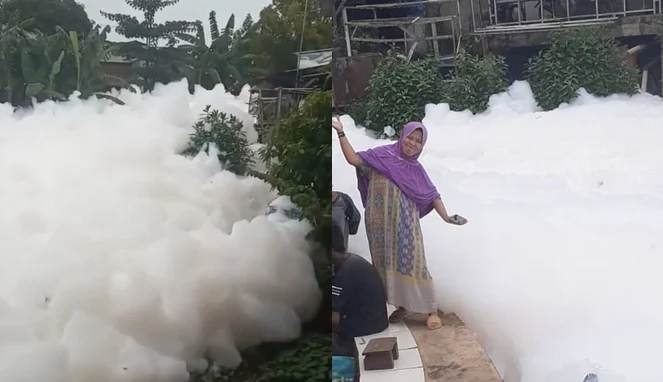
A disturbing viral video has brought the severe pollution of a river in Depok, Indonesia, to the forefront of public attention. The footage, circulating widely on social media since Monday, November 27th, shows the Kali Baru river in Tugu Village, Cimanggis District, completely submerged under a thick, towering layer of white foam. The visual impact is so profound that the river’s water is entirely obscured, with the foam even breaching the riverbanks and reaching the vicinity of five residential homes. The person recording the video can be heard exclaiming, "waste in the river in Depok," highlighting the immediate concern and distress caused by the environmental hazard.
The shocking imagery initially led many netizens to misinterpret the scene, with some mistaking the foam for clouds and others believing it to be snow. This widespread confusion underscores the unnatural and alarming nature of the pollution. The overwhelming reaction online also included urgent calls for governmental intervention to address the critical state of the Depok river.
Chronology of the Event
The incident appears to have escalated rapidly. According to local residents interviewed by Kompas, the foam did not materialize instantaneously. It began subtly, gradually accumulating and thickening until it reached its unprecedented volume. The characteristic pungent odor associated with the pollution was also noted by residents, distinct from the pleasant smell of detergents. Remarkably, the foam dissipated by the evening of the same day it gained widespread attention, leaving behind questions about its transient yet impactful nature.
Investigating the Source: Suspected Domestic Waste and Seasonal Factors
In response to the viral phenomenon and growing public concern, the Department of Environment and Hygiene (DLHK) of Depok City launched an immediate investigation into the origins of the polluting waste. Preliminary findings suggest a strong possibility that the excessive foam is a byproduct of domestic waste, likely comprising soaps, detergents, and other chemical compounds commonly found in household wastewater.
The DLHK’s investigation also points to a potential exacerbating factor: the increase in water debit due to the seasonal transition from the dry season to the rainy season. This rise in water levels could have mobilized accumulated waste from the riverbed and surrounding areas, leading to the dramatic surfacing of foam. The department plans to conduct further inspections of companies and residential areas situated near the river to pinpoint the exact sources of the discharge.
Broader Implications of River Pollution
The incident in Depok serves as a stark reminder of the multifaceted dangers posed by unchecked river pollution. Beyond the immediate visual blight, such contamination poses significant environmental and public health risks:
- Health Hazards: Polluted rivers can become breeding grounds for waterborne diseases, posing direct health threats to communities that rely on these water sources for daily needs. The presence of harmful chemicals can lead to various illnesses if the water is ingested or comes into contact with skin.
- Ecological Devastation: Aquatic ecosystems are particularly vulnerable to pollution. The excessive foam and potential chemical imbalances can suffocate aquatic life, disrupt food chains, and lead to a significant decline in biodiversity within the river and its connected waterways. This impacts not only fish populations but also the microorganisms and plant life essential for a healthy aquatic environment.
- Economic Ramifications: The contamination of rivers has direct economic consequences. Farmers who depend on river water for irrigation face reduced agricultural yields and potential crop damage. Furthermore, the cost of cleaning and rehabilitating polluted waterways can be substantial, placing a burden on local and national governments. The aesthetic degradation of natural water bodies can also deter tourism and recreational activities, impacting local economies that rely on these sectors.
- Water Scarcity: As rivers become increasingly polluted, the availability of clean freshwater for human consumption, agriculture, and industry diminishes. This exacerbates existing water scarcity issues, particularly in densely populated urban areas.
The Role of Domestic Waste in Urban Environments
The suspected source of the pollution – domestic waste – highlights a critical challenge faced by many rapidly urbanizing areas. As populations grow and consumption patterns evolve, the volume of household wastewater, often containing a cocktail of chemicals from cleaning products, personal care items, and other household substances, increases commensurately. Without adequate and efficient wastewater treatment infrastructure, this effluent often finds its way directly into natural waterways, leading to the kind of environmental degradation witnessed in Depok.
The specific chemical composition of detergents and soaps, which often contain surfactants, can contribute to the formation of persistent foam when agitated, especially in rivers with a substantial flow or when mixed with other organic matter. The temporary nature of the foam’s appearance, as reported by residents, could be attributed to a confluence of factors such as the volume of discharge, water flow dynamics, and the presence of specific chemical compounds.
Official Response and Future Outlook
The DLHK Depok’s swift response signifies the seriousness with which the authorities are treating this incident. Their commitment to investigating the source and identifying responsible parties is crucial for implementing preventative measures and ensuring accountability. Such investigations often involve:
- Water Quality Testing: Analyzing water samples to determine the specific pollutants present and their concentrations.
- Source Identification: Tracing the discharge points through mapping, field inspections, and potentially environmental DNA analysis.
- Enforcement and Penalties: If industrial or commercial entities are found to be in violation of environmental regulations, they can face fines, operational restrictions, or other legal actions.
- Public Awareness Campaigns: Educating the public on responsible waste disposal and the impact of domestic chemicals on waterways.
The long-term solution to preventing such recurring incidents lies in a multi-pronged approach. This includes investing in robust wastewater treatment facilities, implementing stricter regulations on industrial and commercial discharge, promoting sustainable consumption patterns, and fostering greater public awareness and participation in environmental stewardship. The visual evidence captured in the viral video serves as a powerful catalyst for action, urging communities and authorities alike to prioritize the health of their vital water resources. The situation in Depok underscores the urgent need for a collective commitment to protecting Indonesia’s rivers from the ever-growing threat of pollution.