Solidarity in the Aftermath: Backpacker Jakarta Delivers Humanitarian Aid to Flores Earthquake Survivors

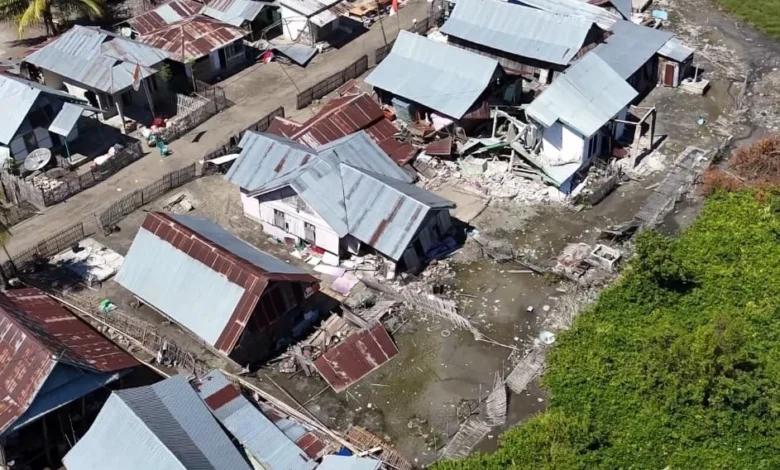
On Saturday, August 15, 2026, at 05:58 WITA, the island of Flores in East Nusa Tenggara (NTT) was struck by a powerful earthquake measuring 7.7 on the moment magnitude scale (Mw 7.8). The seismic event, which originated from the Flores Back-Arc Thrust—a major tectonic fault system known for its capacity to generate significant seismic activity—was centered offshore, north of the Flores coast at a shallow depth of 10 kilometers. This shallow depth exacerbated the intensity of the shaking felt across several districts, leading to widespread structural damage and a significant humanitarian crisis.
Chronology of a Natural Disaster
The earthquake occurred during the early morning hours, catching many residents in their homes. According to data provided by the National Disaster Management Agency (BNPB) and the National Search and Rescue Agency (Basarnas), the tremor caused immediate destruction across multiple regencies, including Manggarai, East Manggarai, Nagekeo, Sikka, Ngada, Ende, and West Manggarai.

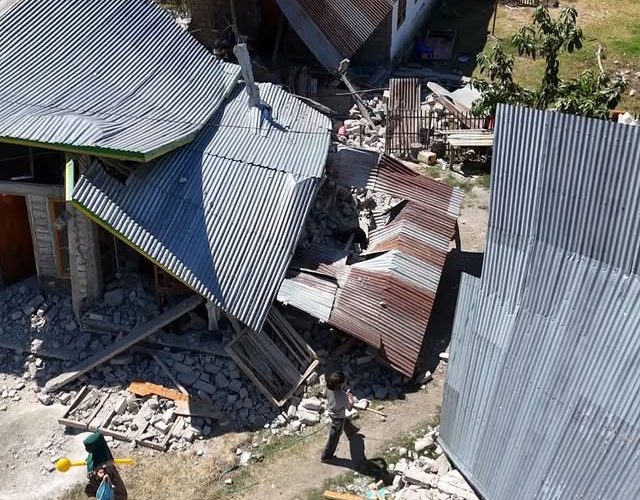
The initial impact resulted in the loss of 111 lives, with thousands more sustaining injuries ranging from minor to critical. The structural integrity of the region was severely compromised, with tens of thousands of residential properties sustaining damage ranging from moderate to total collapse. Beyond housing, the catastrophe crippled critical infrastructure, including schools, healthcare facilities, and essential public utilities, effectively paralyzing the region’s socio-economic operations.
Following the main shock, the region was subjected to a relentless series of aftershocks. The Meteorology, Climatology, and Geophysics Agency (BMKG) reported that by 17:00 WIB on September 4, 2026, the area had recorded 12,209 seismic events. This persistent geological instability hindered rescue efforts and prolonged the trauma of the displaced population, who remained in temporary shelters for weeks due to fears of further building collapses.
The Humanitarian Response: Backpacker Jakarta’s Intervention
In the wake of the disaster, civil society organizations played a crucial role in bridging the gap between government relief efforts and the immediate needs of the victims. Backpacker Jakarta (BPJ), a community-based organization, mobilized its members to launch a fundraising campaign aimed at alleviating the suffering of those in the most severely affected areas.
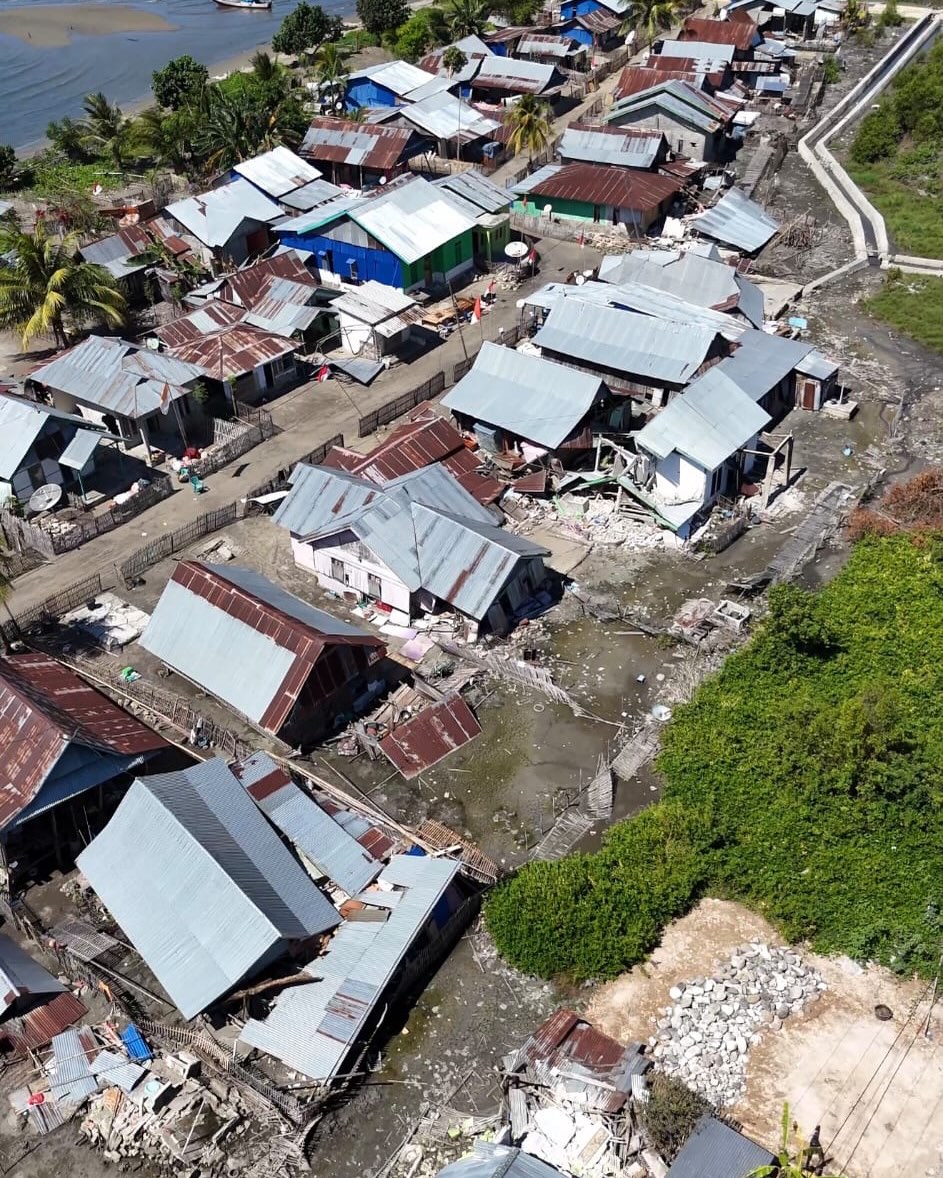
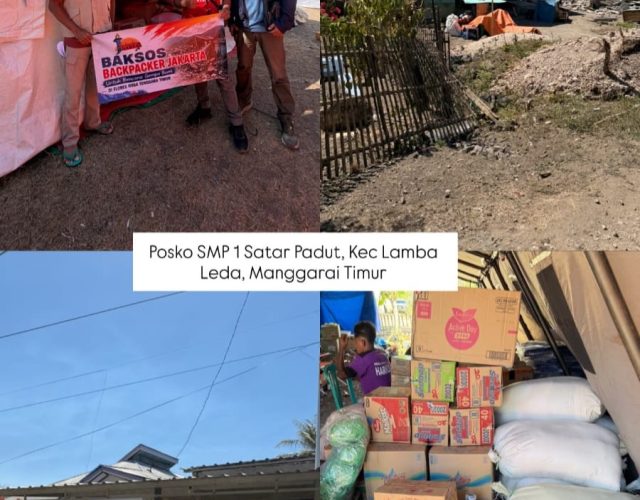
Recognizing the urgent need for basic supplies in remote locations, Backpacker Jakarta channeled its resources into direct distribution. On August 26, 2026, a team from the organization successfully delivered aid to three specific posts in East Manggarai, a region identified as one of the hardest-hit zones.
Distribution of Aid: A Detailed Overview
The aid delivery was meticulously categorized to address the most pressing necessities of the displaced families. The distribution focused on three primary locations:
Posko A (Kampung Waso, Desa Satar Padur, Kec. Lamba Leda)
Posko B (Posko Terpadu SMP 1 Lamba Leda, Desa Satar Padut, Kec. Lamba Leda)
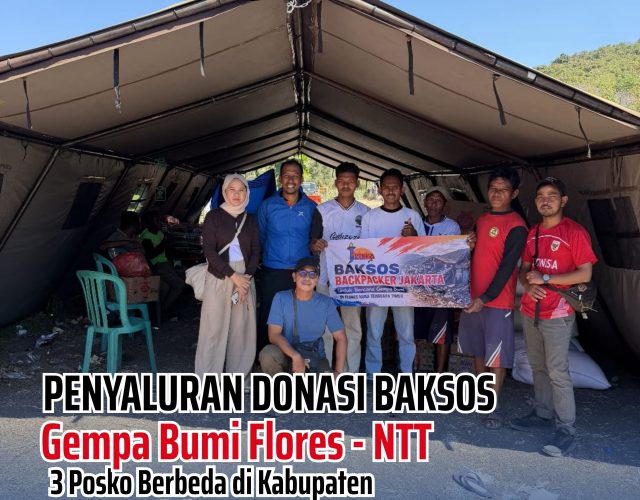
For these two locations, the organization allocated a total of Rp17,199,000. The allocation was strategic, prioritizing both immediate survival and long-term sanitation. Expenditure breakdown for these posts included:
- Infrastructure Support: Rp1,334,500 was utilized for the construction of water channels to support the sanitation needs of the tent-based refugee camps.
- Logistics: Rp1,500,000 was spent on pickup truck rentals to ensure supplies reached isolated, rugged terrains.
- Essential Commodities: Rp10,880,000 was spent on food packages, with an additional Rp550,000 specifically for fresh vegetables.
- Utility Supplies: Rp600,000 for clean drinking water in gallons and Rp210,000 for lighting units to ensure the safety and security of the camps at night.
The food packages were designed to provide balanced nutrition and hygiene support, containing staples such as rice, cooking oil, eggs, instant noodles, seasoning, sugar, coffee, and sausages. Critically, the aid also included specialized items for vulnerable groups, such as infant formula, diapers, sanitary napkins, toiletries, and traditional medicinal oils (minyak telon).
Posko C (Desa Elar, East Manggarai)
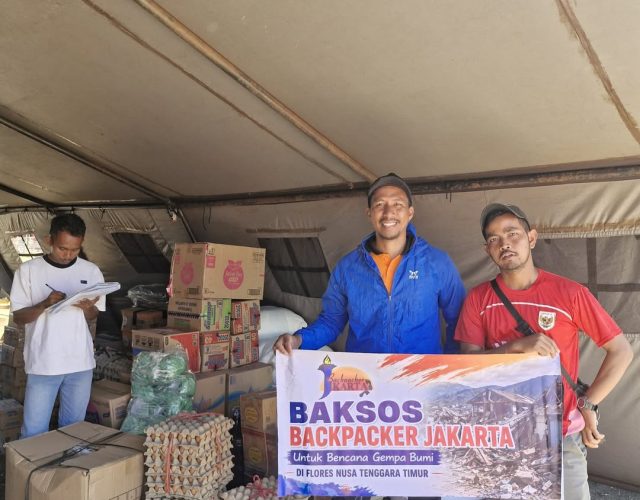
At this location, the relief effort focused on food security, providing 150 kilograms of rice—delivered in three 50kg sacks—totaling an investment of Rp2,125,000.
Geopolitical and Geological Context
The Flores Back-Arc Thrust is a known active tectonic feature, and the 2026 event serves as a stark reminder of the vulnerability of the Nusa Tenggara region. The interaction between the Indo-Australian plate and the Eurasian plate creates a complex tectonic environment. Historical records show that the region has been subject to periodic seismic shifts; however, the scale of this event—particularly the volume of aftershocks—has tested the resilience of local emergency protocols.
From a sociological perspective, the disaster has underscored the importance of community-led disaster management. While government agencies provide macro-level support and structural reconstruction, small-scale organizations like Backpacker Jakarta are often more agile in reaching remote villages where logistical barriers might otherwise delay the arrival of aid.
Broader Implications and Ongoing Recovery
The aftermath of the August 2026 earthquake is expected to have a lasting impact on the regional economy of East Manggarai. With thousands of houses destroyed and public infrastructure damaged, the recovery phase will likely span several years. The loss of schools and healthcare centers creates a "secondary crisis," where education and preventative health services are disrupted, potentially leading to long-term developmental setbacks for the youth in the region.
Experts from the engineering and geological sectors have emphasized the need for "build-back-better" initiatives. This involves the implementation of stricter building codes in the NTT province to ensure that reconstruction efforts account for high seismic activity. Furthermore, the high frequency of aftershocks necessitates a sustained psychological support program for survivors, particularly children who have been displaced from their homes and routines.
Looking Ahead
Backpacker Jakarta has confirmed that this relief effort constitutes only the first phase of their commitment to the region. As the situation remains fluid, with ongoing recovery needs in the districts of Ngada, Ende, and Sikka, the organization is currently preparing for "Phase 2" of their humanitarian intervention.
The success of the first phase of the aid distribution, documented through various photographic reports, highlights the power of community-driven philanthropy. However, the scale of the damage across Flores indicates that comprehensive recovery will require continued collaboration between the central government, local authorities, NGOs, and the private sector.
As the region moves into the post-emergency phase, the focus must shift from immediate life-saving aid to sustainable rehabilitation. This includes the restoration of water supplies, the reconstruction of school facilities, and the provision of economic support to families who have lost their livelihoods in the agricultural and tourism sectors.
The events of August 15, 2026, will be remembered as a significant challenge for the people of Flores. Nevertheless, the rapid mobilization of aid and the resilience of the local community suggest that while the damage is extensive, the path to recovery is supported by a robust network of domestic solidarity. Further updates on the next stages of the aid distribution process are expected in the coming weeks as relief teams continue to assess the evolving needs on the ground.
In summary, the earthquake in Flores has left a deep scar on the landscape and the community. The intervention by volunteer groups represents the human element of disaster recovery—a necessary component that complements official government efforts. As the region continues to monitor the persistent seismic activity, the priority remains the safety and restoration of dignity for those living in the shadow of the Flores Back-Arc Thrust.