
Semarang Emerges as Strategic Hub for Sustainable Spirulina Cultivation to Meet Global Demand for Functional Foods and Cosmetics

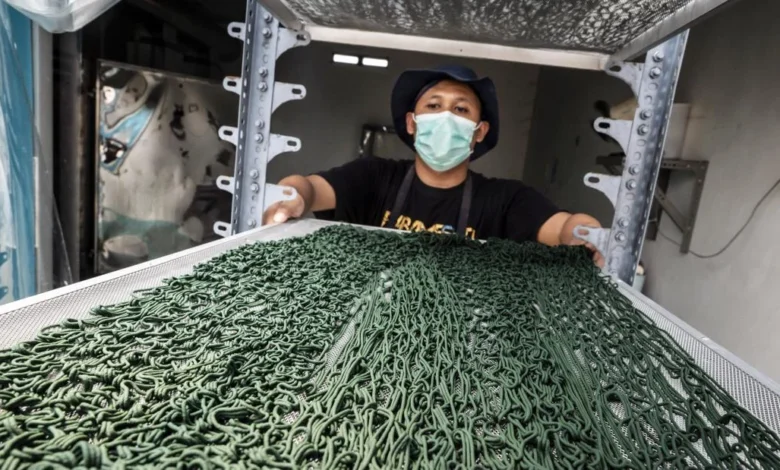
The city of Semarang, Central Java, has solidified its position as a burgeoning center for high-tech biotechnology with the expansion of Spirulina cultivation facilities aimed at supplying the rapidly growing health, food, and cosmetic industries. On Friday, July 17, 2026, operations at the Albitec cultivation facility in the Gunungpati district demonstrated the scalability of freshwater microalgae production, showcasing a sophisticated integration of sustainable farming and eco-friendly technology. This initiative represents a significant shift toward high-value commodity production in the region, transitioning from traditional agriculture to bio-based industrial raw materials.
Spirulina, a type of blue-green algae or cyanobacteria, has gained international acclaim as a "superfood" due to its dense nutritional profile, which includes high concentrations of protein, vitamins, minerals, and antioxidants. In Semarang, the Albitec facility has optimized the cultivation of this microalgae using a series of specialized 21,000-liter ponds. These ponds are designed to maximize photosynthetic efficiency while minimizing environmental impact, reflecting a broader national trend toward the "Green Economy."
The Mechanics of Modern Spirulina Cultivation
The cultivation process at the Gunungpati facility is a testament to precision biology. Unlike traditional crops that may take months to reach maturity, Spirulina operates on an accelerated biological timeline. The cultivation cycle in these freshwater systems typically spans between 7 and 14 days. During this window, the algae undergo rapid cell division, fueled by controlled nutrient inputs and the abundant tropical sunlight characteristic of the Central Java region.
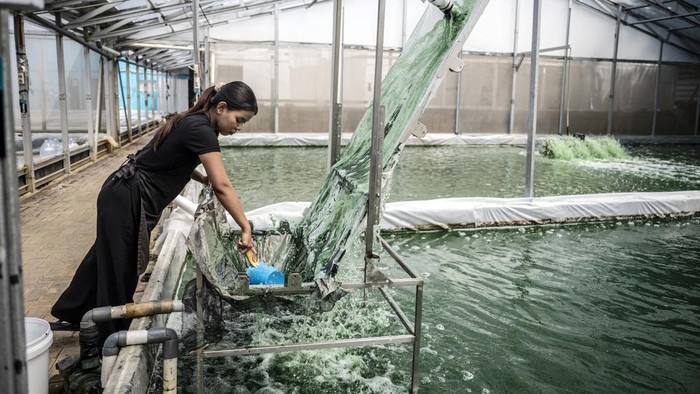
Productivity metrics from the facility indicate that each 21,000-liter pond can yield between 20 and 30 kilograms of wet biomass per harvest. This biomass is the raw "green gold" that forms the foundation of various downstream products. To maintain the highest quality, workers at the facility employ specialized filtration and harvesting techniques that ensure the delicate cellular structure of the Spirulina remains intact, preserving its bioactive compounds such as phycocyanin—a potent antioxidant and natural blue pigment highly sought after by the food and cosmetic sectors.
Once harvested, the wet biomass undergoes a rigorous processing phase. It is typically dried at low temperatures to maintain nutritional integrity and then processed into various forms, including fine powders, flakes, or concentrated extracts. The economic value of this transformation is substantial. While the raw biomass is the starting point, the processed high-quality Spirulina reaches a market price of approximately Rp100,000 per 100 grams. This valuation places Spirulina among the most lucrative aquatic crops currently being produced in Indonesia.
Diversified Industrial Applications
The versatility of Spirulina is the primary driver behind its market demand. The Semarang facility specifically targets four key industrial pillars:
- Health and Dietary Supplements: As global consumers move toward preventative healthcare, the demand for natural multivitamins has surged. Spirulina is often sold in capsule or tablet form as a complete protein source containing all essential amino acids, making it a staple for vegan and vegetarian diets.
- Functional Foods: Beyond simple supplements, Spirulina is being integrated into "functional foods"—products that offer health benefits beyond basic nutrition. This includes Spirulina-infused pasta, energy bars, and beverages. Its high protein content makes it an ideal additive for fortifying staple foods in regions facing nutritional deficits.
- Cosmetics and Skincare: The beauty industry has embraced Spirulina for its anti-aging and anti-inflammatory properties. It is a frequent ingredient in facial masks, serums, and creams designed to detoxify the skin and protect against oxidative stress caused by environmental pollutants.
- High-Value Animal Feed: In the aquaculture sector, Spirulina is used as a premium feed additive, particularly for ornamental fish and high-end shrimp farming. It enhances the natural coloration of aquatic species and boosts their immune systems, reducing the need for chemical interventions.
Background and Context: Indonesia’s Bio-Economic Ambitions
The development of the Albitec facility in Semarang does not exist in a vacuum. It is part of a larger strategic move by Indonesia to diversify its export portfolio and reduce reliance on raw mineral and palm oil exports. The Ministry of Maritime Affairs and Fisheries, along with the Ministry of Industry, has increasingly highlighted the potential of microalgae as a cornerstone of the nation’s blue economy.
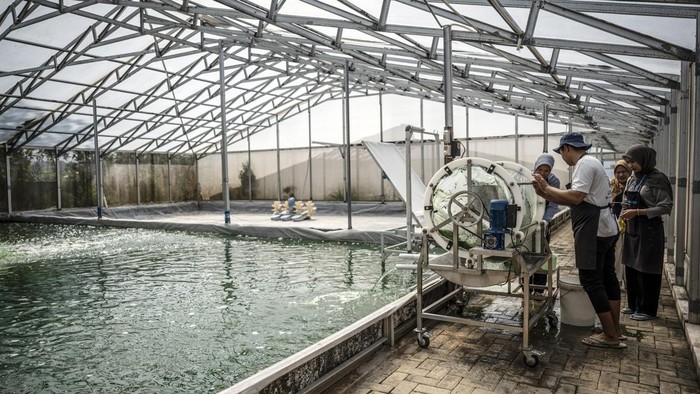
Indonesia’s geographical location on the equator provides a unique competitive advantage for algae cultivation. The consistent year-round sunlight and stable temperatures reduce the energy costs associated with artificial lighting and heating required in temperate climates. By leveraging these natural advantages with "closed-loop" or "semi-closed" sustainable systems, facilities like the one in Gunungpati can produce biomass with a significantly lower carbon footprint than traditional livestock or even some terrestrial crops.
Environmental Impact and Sustainability
One of the most compelling aspects of the Semarang Spirulina project is its environmental profile. Spirulina is an exceptionally efficient carbon sink. During its growth phase, it absorbs carbon dioxide (CO2) from the atmosphere at a rate much higher than most land plants. Furthermore, the water footprint of Spirulina production is remarkably low. The 21,000-liter ponds used by Albitec are designed to recycle water, with minimal loss through evaporation, making it a viable agricultural model even in areas where water scarcity might be a future concern.
The use of "eco-friendly technology" mentioned by facility operators refers to the minimization of chemical runoff. Because the algae are grown in controlled ponds rather than open soil, there is no leaching of fertilizers into the local groundwater or nearby river systems. This makes Spirulina cultivation a "clean" industry that can coexist with residential areas in suburban Semarang without the odors or pollution typically associated with industrial farming.
Economic Implications for the Region
The localized impact of the Albitec facility in Gunungpati is multifaceted. Beyond the direct employment of technicians and harvesters, the facility stimulates the local economy through the "downstream" processing of the algae. By processing the biomass in Semarang rather than shipping raw material elsewhere, the region retains more of the value-added profit.
Local economic analysts suggest that the success of this facility could trigger a "cluster effect," where secondary businesses—such as packaging firms, specialized logistics providers, and biotech research labs—settle in the Semarang area to support the microalgae industry. This would transform Gunungpati from a quiet district into a specialized biotech corridor, providing high-skilled jobs for graduates from local institutions like Diponegoro University (UNDIP).
Future Outlook and Scalability
As of mid-2026, the global Spirulina market is projected to continue its double-digit annual growth. The constraints on traditional land-based agriculture, coupled with a growing global population, necessitate the adoption of alternative protein and nutrient sources. Semarang’s early adoption of large-scale, sustainable Spirulina farming positions it as a first-mover in a sector that is vital for future food security.
Experts anticipate that the next phase for the Semarang facility will involve the extraction of specific high-value molecules. While selling dried powder is profitable, extracting pure phycocyanin or specific fatty acids can increase the value of the biomass tenfold. This would require further investment in laboratory infrastructure and chemical engineering expertise, areas where Semarang is currently expanding its capacity.
The success of the Albitec facility serves as a blueprint for other regions in Indonesia. By combining natural tropical advantages with modern biotechnological frameworks, the country is moving toward a future where "farming" happens in high-tech ponds, and the harvest is measured not just in tons of food, but in the health and wellness of a global consumer base. The journey of a single Spirulina cell in a Semarang pond, ending as a high-end cosmetic or a life-saving supplement, is a powerful narrative of Indonesia’s evolving role in the 21st-century global economy.