Realme India Confirms Transition from Realme UI to ColorOS, Signaling Potential Global Shift

The landscape of smartphone operating system interfaces is set for a significant alteration as Realme India has officially confirmed a strategic shift away from its proprietary Realme UI in favor of OPPO’s ColorOS. This announcement, stemming from an interview with GSMArena, addresses lingering rumors and marks a pivotal moment for the BBK Electronics subsidiary. While initially confirmed for the Indian market, industry observers widely anticipate this transition will extend globally, impacting future Realme devices and potentially existing ones still under software support.
A Strategic Unification: Streamlining Development and Enhancing User Experience
The primary driver behind this significant OS consolidation, as articulated by Realme India, is the imperative to streamline and simplify the development and update processes. By merging its software development efforts with OPPO, a sister company under the BBK Electronics umbrella, Realme aims to achieve greater efficiency. This unification is expected to reduce redundancies in research and development, allowing for faster deployment of new features and security patches across a wider range of devices.
The forthcoming Realme smartphones will reportedly launch with ColorOS 17, a version of the operating system that has yet to be formally unveiled by OPPO. While the specific models designated to be the first to adopt this new software paradigm remain undisclosed, it is highly probable that ColorOS 17 will debut on OPPO devices before making its way to Realme’s product lines. This staggered rollout is a common strategy to test and refine new software iterations within a controlled environment before broader implementation.
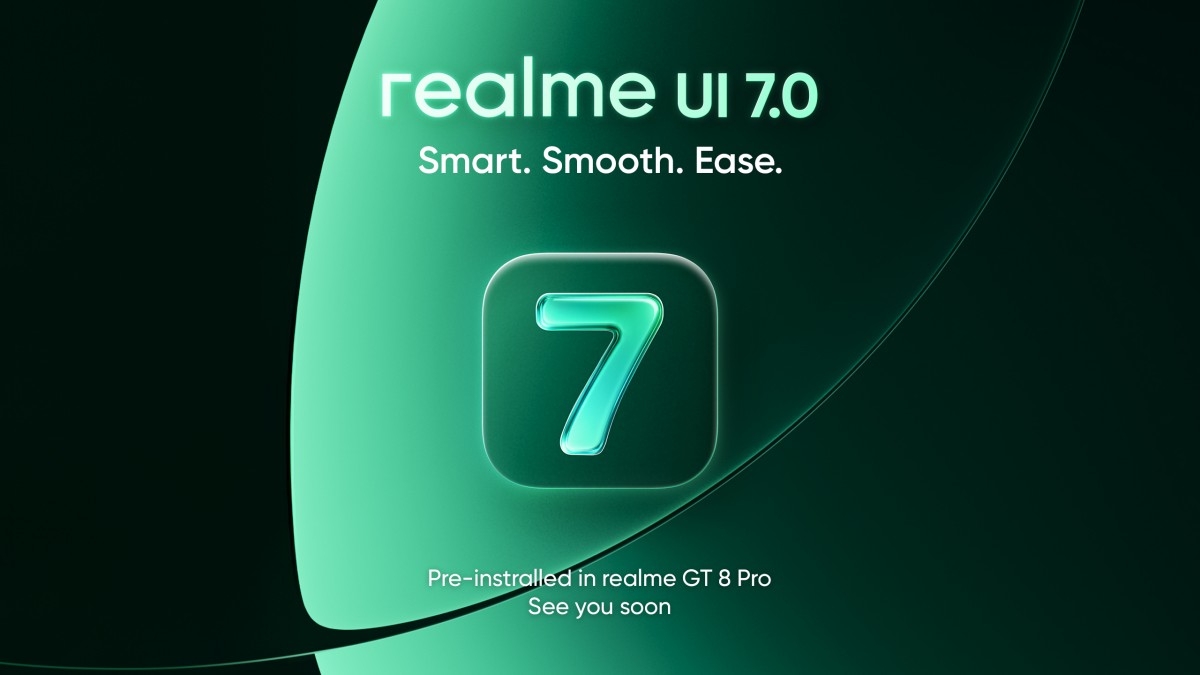
Furthermore, the commitment to ColorOS extends beyond new device launches. Realme has indicated that existing smartphones currently receiving OS upgrades will also transition to ColorOS 17. As an illustrative example, the Realme GT 8 Pro, which launched with Realme UI 7.0 and is guaranteed four major OS upgrades, is slated to receive ColorOS 17 as part of its update cycle. This assures current users that they will benefit from the unified software experience, albeit with a change in the underlying interface.
A Return to Roots: Recalling Realme’s Early Days with ColorOS
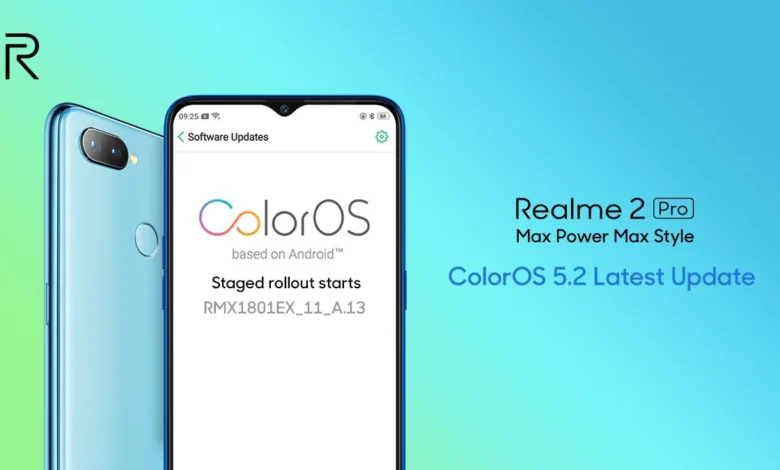
This move represents a cyclical return for Realme, a brand that initially launched with ColorOS. For its formative years, Realme devices were powered by OPPO’s operating system, a testament to their shared heritage and development resources. It was in 2021 that Realme introduced its distinct Realme UI, with the Realme 3 Pro and Realme XT being the first devices to adopt this new software identity. The introduction of Realme UI was initially positioned as a way to differentiate Realme’s user experience and cater to its rapidly growing, distinct user base.
The impending transition back to ColorOS suggests that the perceived differences between Realme UI and ColorOS have narrowed considerably over time, or that the strategic advantages of unification now outweigh the benefits of distinct branding. It is anticipated that the user experience will not drastically change, given the historical similarities between the two interfaces. Both have evolved from the same foundational codebase, and their visual elements and functional layouts often overlap. This continuity should mitigate potential user friction during the transition.
The Global Ramifications: India as a Precursor to Worldwide Adoption
The pivotal question on the minds of many consumers and industry analysts is whether this OS shift will be confined to the Indian market or if it will indeed be a global undertaking. Based on Realme’s operational structure and its global market strategy, the prevailing sentiment is that the transition will indeed be worldwide. India often serves as a crucial testing ground and a significant market for new technological implementations for many global brands, and its confirmation often signals a broader rollout plan.
However, official confirmation for other key markets, including Indonesia, is still pending. The absence of explicit statements from Realme’s global or regional offices outside of India leaves a degree of uncertainty. Nevertheless, the strategic implications of such a consolidation within the BBK Electronics ecosystem strongly suggest a unified approach to software development and deployment across all its brands.
Broader BBK Electronics Strategy: A Coordinated Ecosystem Evolution
This significant software unification within Realme is not an isolated event but appears to be part of a larger, coordinated strategic realignment within BBK Electronics. The conglomerate, which also owns OPPO, Vivo, and OnePlus, has been observed making significant adjustments to its brand positioning and operational focus.

Notably, OnePlus has recently confirmed its withdrawal from the international market, choosing to concentrate its efforts primarily on the Chinese market. Concurrently, OnePlus has been integrating its OxygenOS with ColorOS, a move that mirrors Realme’s current trajectory. This suggests a broader strategy to optimize resources and create more cohesive software experiences across its various brands, allowing each to focus on its respective market strengths. For OnePlus, this means a deeper integration with the Chinese market and its associated software ecosystem. For Realme, the focus appears to be on leveraging the global market and streamlining its software development to achieve greater efficiency and faster innovation cycles.
Potential Implications and Future Outlook
The implications of this OS transition are multifaceted. For consumers, it could lead to more consistent and timely software updates, potentially improving the longevity and performance of their devices. It may also mean a more unified ecosystem of features and user interfaces across different BBK brands, making it easier for users to switch between devices from these manufacturers.
However, there are also potential concerns. The distinctiveness that Realme UI offered may be lost, and some users might prefer the specific aesthetic and functionalities of the previous interface. The success of this transition will hinge on how seamlessly ColorOS 17 is implemented on Realme devices and whether it retains the unique appeal that attracted users to Realme in the first place.
The industry will be closely watching Realme’s next moves, particularly the official unveiling of ColorOS 17 and its subsequent deployment on both new and existing devices. This strategic decision by Realme India is a clear indicator of a significant shift in the company’s software strategy, and its global ramifications will undoubtedly shape the future of the smartphone software landscape for a considerable segment of the market. The move signals a maturing of the smartphone industry where software integration and efficiency are becoming as crucial as hardware innovation.