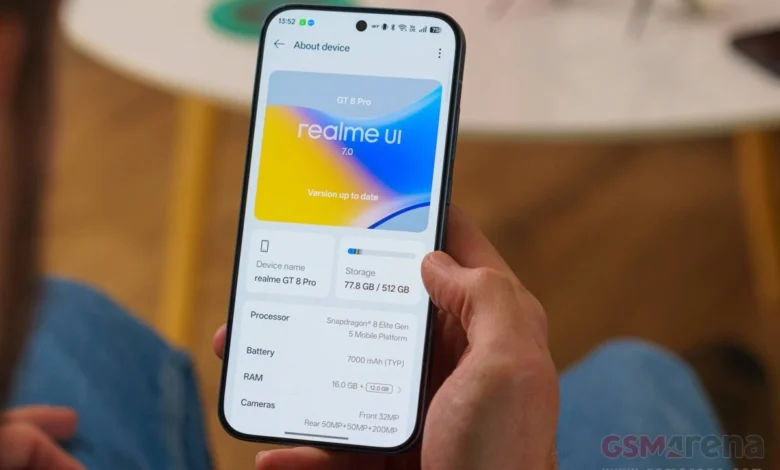
realme India has officially announced a significant strategic integration of its software ecosystem, confirming that all eligible realme smartphones will transition to ColorOS 17, the proprietary Android-based user interface developed by its parent company, OPPO. This move marks a pivotal moment in the ongoing consolidation of software development within the broader OPPO Group, aiming to streamline operations, accelerate innovation, and deliver a more unified user experience across its brands. The transition will commence with a beta program before a stable version is rolled out to users in India.
The announcement was made by realme India through its official community forums in mid-July 2026, a date that underscores the company’s forward-looking approach to software development. This strategic shift signifies the phasing out of realme UI as the primary interface on compatible devices, with ColorOS 17 set to take its place. The core objectives behind this integration are manifold: to foster a more consistent software experience across the OPPO Group’s portfolio, expedite the deployment of crucial operating system updates, and enhance the synergy of features across all devices within the OPPO Group’s expanding ecosystem.
A New Era for realme’s Software Experience
In its official statement, realme emphasized that this transition is not intended to dilute its brand identity or diminish its commitment to its user base. The company reassured customers that software support, including vital security updates and after-sales services, will continue to adhere to the existing policies for each specific smartphone model. This assurance is critical for maintaining user confidence during a period of significant software evolution.
ColorOS 17 itself is built upon the latest Android generation, bringing with it a suite of enhancements focused on improving performance, optimizing power efficiency, bolstering security measures, and integrating advanced artificial intelligence (AI) capabilities. Users can anticipate a refined interface with smoother animations, more efficient multitasking management, optimized battery consumption, and strengthened privacy protection features. Furthermore, ColorOS 17 significantly expands the application of AI across various smartphone functionalities. This includes intelligent resource management for devices, enhancements in computational photography, optimization of frequently used applications, and the introduction of AI-driven productivity tools integrated into native apps.
Deepening Integration within the OPPO Group
The decision by realme to adopt ColorOS 17 is a clear indicator of the deepening collaborative efforts in software development under the OPPO Group umbrella. For several years, realme UI and ColorOS have shared a common codebase, a testament to their underlying technological kinship. While both interfaces have maintained distinct visual identities and specific feature sets aligned with each brand’s strategic positioning, this move towards a unified OS platform signifies a more profound integration.
By consolidating software platforms, the company anticipates a more efficient development process for new features. A shared codebase is expected to facilitate the faster distribution of Android security patches and the latest OS innovations across a wider range of devices, a process that was inherently more complex when each brand developed its interface independently. This strategy mirrors the broader industry trend towards platform unification to achieve economies of scale and accelerate development cycles.
Precedent Set by OnePlus
This integration strategy is not unprecedented within the OPPO Group. OnePlus, another prominent brand under the OPPO umbrella, had previously announced a similar transition, declaring its intention to adopt ColorOS 17 as the successor to its own OxygenOS on qualifying devices. This move by OnePlus was also framed as part of OPPO Group’s broader software restructuring initiative, designed to simplify and standardize the development of operating systems across its diverse brand portfolio.
For realme users, the migration to ColorOS 17 is anticipated to maintain seamless compatibility with Google applications and services. Instead of losing existing functionality, users are expected to gain access to a modernized interface and a host of new features previously exclusive to OPPO devices. This suggests a forward-thinking approach where the strengths of each brand’s software development are being leveraged for the benefit of all.
Phased Rollout and Market Focus
Realme has assured users that the migration process will be carefully managed, commencing with a phased beta program. This approach is crucial for ensuring system stability and ironing out any potential issues before a widespread release. Eligible devices will receive update notifications via Over-The-Air (OTA) mechanisms, eliminating the need for manual installations and simplifying the upgrade process for end-users.
As of the announcement, realme has confirmed the implementation of ColorOS 17 specifically for the Indian market. The company has not yet disclosed an official timeline or a definitive list of devices slated to receive the update in other regions, including Southeast Asia. This means users outside of India will need to await further official communications from realme in their respective countries.
India, being one of realme’s largest global markets, plays a critical role in its strategic rollout plans. The country boasts a substantial user base, making it an ideal testing ground for new features and a primary location for initial operating system updates. This strategy allows the company to gather valuable user feedback on a large scale before expanding the deployment to other territories.
Strategic Implications and Future Outlook
The shift to ColorOS 17 underscores a significant evolution in realme’s software development strategy, reflecting a broader trend within the OPPO Group towards leveraging shared platforms. This unified approach is expected to accelerate innovation, enhance development efficiency, and cultivate a more consistent user experience across the conglomerate’s brands. While embracing a common platform, the company aims to retain the distinct characteristics of each product line through tailored features and services.
This strategic consolidation of software development resources positions the OPPO Group to better compete in an increasingly dynamic smartphone market. By streamlining the creation and deployment of new technologies, the group can respond more agilely to evolving consumer demands and technological advancements. The move is not merely about standardizing an interface but about building a more robust and agile software ecosystem that can support the long-term growth and innovation of all its constituent brands.
The implications of this move extend beyond just software updates. A unified platform can lead to more efficient hardware-software integration, potentially unlocking new performance benchmarks and feature capabilities. For developers, working with a more standardized codebase can reduce fragmentation and simplify the process of creating applications and services that function seamlessly across a wide array of devices. This, in turn, benefits consumers through a richer and more reliable app ecosystem.
Furthermore, the emphasis on AI integration within ColorOS 17 signals a commitment to embracing cutting-edge technologies that are shaping the future of mobile computing. As AI becomes increasingly integral to user experiences, from personalized recommendations to advanced camera capabilities and proactive assistance, realme’s adoption of this AI-rich interface positions its users at the forefront of these advancements.
The success of this transition will likely be measured not only by the technical performance of ColorOS 17 on realme devices but also by user reception and satisfaction. The company’s commitment to a phased rollout and beta testing suggests a cautious yet determined approach, aiming to mitigate risks and ensure a smooth transition for its loyal customer base. The coming months will be crucial in observing how this major software integration unfolds and its long-term impact on the realme brand and the broader OPPO Group’s competitive standing in the global smartphone arena.
The company’s past performance in India, characterized by aggressive market penetration and a strong understanding of local consumer preferences, provides a solid foundation for this ambitious software undertaking. The feedback gathered from the Indian market will be instrumental in refining the ColorOS 17 experience before its wider international rollout, ensuring that the transition is as seamless and beneficial as possible for users worldwide.
This strategic pivot by realme is a clear indication that the era of distinct, independently developed UIs for every brand under a large conglomerate may be waning. The future appears to favor platform synergies and shared development resources, enabling brands to focus on differentiation through hardware, specialized features, and unique service offerings, while leveraging a common, powerful software foundation. The journey of ColorOS 17 on realme devices will be closely watched as a benchmark for this new integrated software strategy within the OPPO Group.