Pangeran Charles merasa sangat gembira setelah kematian Putri Diana dan klaim kontroversial Earl Spencer dalam buku Swan Song

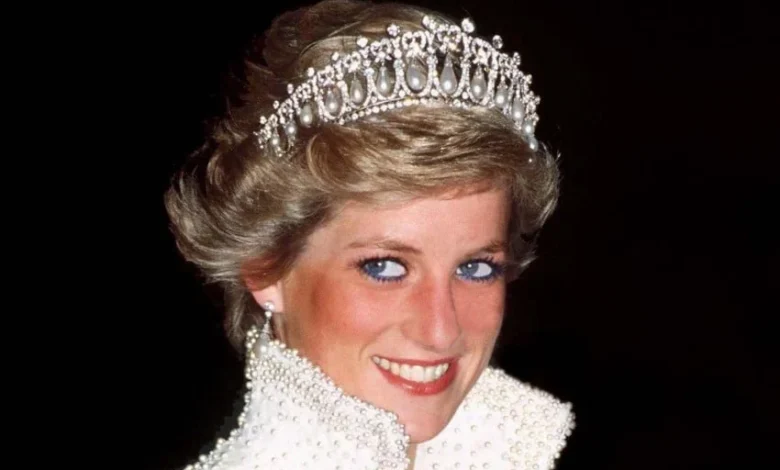
The recent emergence of excerpts from Swan Song, the forthcoming memoir by Earl Charles Spencer, has sent shockwaves through the corridors of Buckingham Palace and reignited long-standing debates regarding the tumultuous marriage between the late Diana, Princess of Wales, and the then-Prince Charles, now King Charles III. The revelations, which detail deeply personal and highly contentious interactions, have prompted a rare and pointed rebuttal from the British monarchy, underscoring the enduring sensitivity surrounding the events of August 1997.
The Contentious Claims and the Royal Rebuttal
The controversy centers on Earl Spencer’s recollections of the immediate aftermath of the Paris car crash that claimed the life of his sister, Diana, on August 31, 1997. According to the excerpts published by the Daily Mail, Spencer recounts a telephone conversation with the then-Prince of Wales, during which he claims Charles sounded remarkably jubilant. Spencer describes the Prince’s tone as being akin to a "lottery winner," a characterization that stands in stark contrast to the public image of royal mourning that followed the tragedy.
The implications of these claims are profound. Spencer suggests that Charles’s initial reaction was driven by a sense of liberation—the prospect of finally being able to pursue a life with Camilla Parker Bowles without the complications of his existing marriage—rather than a sense of loss for the woman who was the mother of his two sons, Princes William and Harry.
In a move that highlights the severity with which the Palace views these allegations, a spokesperson for King Charles III issued a measured but stinging statement. While noting that the institution typically maintains a policy of not commenting on books, the spokesperson remarked, "Baginda Raja menyadari bahwa rasa pedih akibat kehilangan saudara kandung dapat mengaburkan nalar, memengaruhi penilaian, dan memengaruhi memori dengan cara-cara yang tidak disadari orang lain, bahkan bertahun-tahun setelah kehilangan tersebut terjadi." This response suggests that the Palace intends to frame the claims not as historical fact, but as the subjective, grief-stricken interpretation of a grieving brother.
Chronology of a National Tragedy
To understand the weight of these revelations, it is essential to revisit the timeline of the late summer of 1997. The events surrounding the death of Diana were marked by high tension between the Royal Family and the Spencer family, as well as an unprecedented outpouring of public grief.
- August 31, 1997: At approximately 12:20 AM, the Mercedes-Benz carrying Diana, Dodi Fayed, and their driver, Henri Paul, crashed in the Pont de l’Alma tunnel in Paris. Diana was pronounced dead at 4:00 AM local time.
- August 31, 1997 (Morning): News of the tragedy reached the British Royal Family at Balmoral Castle in Scotland. It was during this period of initial shock that Spencer claims his contentious telephone conversations with the Prince of Wales took place.
- September 1997: A week of national mourning followed, characterized by intense public scrutiny regarding the Royal Family’s perceived coldness and their initial refusal to fly the flag at half-mast at Buckingham Palace.
- September 6, 1997: The funeral of Diana, Princess of Wales, took place at Westminster Abbey. The image of the young Princes William and Harry walking behind their mother’s coffin remains one of the most iconic and painful images of the era.
Spencer’s book specifically references the heated debates that occurred during this period, particularly regarding the logistics of the funeral procession. He describes a moment of "unbridled anger" from Charles during a discussion about whether the young princes should participate in the public walk, a detail that adds another layer of complexity to the already fraught relationship between the Spencer family and the House of Windsor.
Contextualizing the Marriage: A Historical Perspective
The marriage between Charles and Diana, which lasted from 1981 to 1996, was characterized by well-documented discord. By the early 1990s, the relationship had publicly disintegrated, with both parties confirming infidelities in various media interviews, most notably Diana’s 1995 Panorama interview with Martin Bashir.
Data from the era reflects the immense pressure on the couple. In the years following their separation in 1992, the public’s fascination with the "War of the Waleses" reached fever pitch. The divorce, finalized in August 1996, stripped Diana of her "Her Royal Highness" title, a decision that reportedly caused significant friction within the family. Spencer’s memoir serves as a reminder that the personal animosity between the two parties did not cease with the legal dissolution of the marriage, but rather persisted until, and arguably beyond, the finality of Diana’s death.
Analysis of Implications for the Monarchy
The timing of this book’s release is particularly significant. As King Charles III navigates the complexities of his reign, the resurfacing of these specific accusations poses a unique challenge to the narrative of the modern monarchy.
- The Question of Memory: By attributing the claims to the subjective nature of grief, the Palace is effectively attempting to neutralize the historical validity of the book. This is a common tactic in royal public relations: acknowledging the emotional reality of the accuser while distancing the institution from the factual veracity of the claims.
- Generational Trauma: The mention of William and Harry’s involvement in the funeral procession serves as a poignant reminder of the intergenerational trauma caused by the events of 1997. The relationship between the two brothers and their father has been a subject of intense global scrutiny, and any narrative that paints the King in a negative light regarding his treatment of their mother will inevitably complicate his efforts to maintain family unity.
- Media and Accountability: The involvement of Penguin Random House and the exclusive rights granted to the Daily Mail underscore the commercial nature of these revelations. While the content is deeply personal, it is also a commodity in a highly competitive publishing market. The reliance on excerpts before the book’s full release suggests a strategic rollout designed to maximize public discourse.
Official Stance and Public Reception
The British public has long been divided in its perception of the late Princess of Wales and the King. For many, Diana remains an untouchable figure, and any claim that diminishes the respect shown to her memory—even by the King—is met with significant disapproval. Conversely, supporters of the monarchy view these types of memoirs as intrusive and potentially revisionist.
The Palace’s decision to issue a formal statement, however rare, indicates that the institution feels compelled to protect the King’s reputation from what they perceive as a fundamental misrepresentation of his character during a time of crisis. Whether this statement will suffice to quell the controversy remains to be seen. As more of the book becomes available to the public, historians and royal observers alike will likely scrutinize Spencer’s claims against the existing record of events.
The Broader Impact
Ultimately, Swan Song serves as a bridge to a past that many within the Royal Family would likely prefer to remain undisturbed. The tension between the personal memories of those closest to Diana and the official history maintained by the monarchy is a recurring theme in the history of the British Crown.
The lasting impact of these revelations will depend on the degree to which the public accepts the Earl’s account as an authentic reflection of the past or rejects it as a biased interpretation of a brother’s trauma. Regardless, the book ensures that the memory of Princess Diana—and the complexities of her life within the royal fold—will continue to be a central, and at times uncomfortable, pillar of contemporary British history. As the debate continues, the focus will likely remain on the intersection of private grief and public duty, a struggle that defined much of the late 20th-century monarchy and continues to echo in the present day.