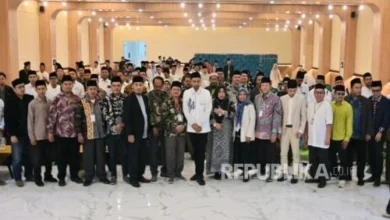
Hijrah is not a final destination but an ongoing spiritual journey requiring divine guidance and perseverance until the end of life

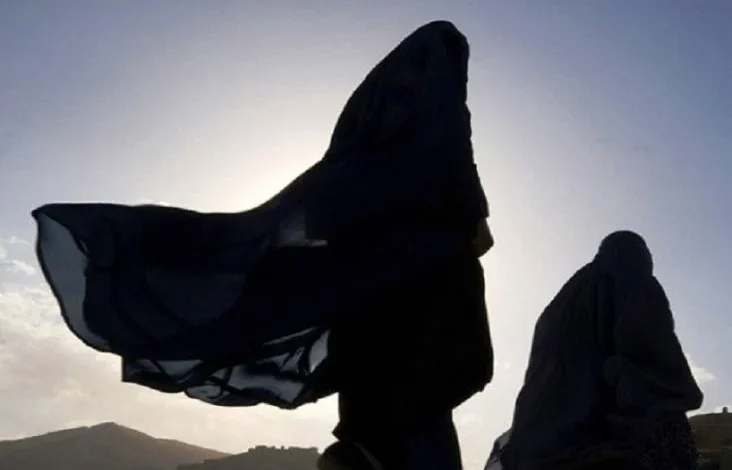
The concept of "Hijrah"—a term historically rooted in the Prophet Muhammad’s migration from Mecca to Medina—has evolved in contemporary discourse to represent a profound personal transformation. In its modern context, Hijrah is not merely a change in physical appearance or social circles; it is a comprehensive shift in an individual’s trajectory, moving away from actions deemed inconsistent with religious tenets toward a life aligned with spiritual purpose. This metamorphosis is widely recognized by Islamic scholars and practitioners as a dynamic process that necessitates constant divine intervention, or "Hidayah," to sustain the commitment required for long-term adherence to religious obligations.
The Theological Foundation of Spiritual Migration
At the core of the Hijrah phenomenon lies the belief that the capacity to change one’s life is not an isolated act of human willpower, but a manifestation of divine favor. Theological frameworks emphasize that the ability to abandon sinful habits, maintain consistent daily prayers, pursue religious education, and remain steadfast in ethical conduct is considered a significant blessing.
Central to this understanding is a Hadith Qudsi, a sacred narration where the Prophet Muhammad conveys words attributed directly to God: "O My servants, all of you are astray except those whom I have guided, so seek guidance from Me and I shall guide you" (Recorded by Sahih Muslim). This narrative serves as the cornerstone for understanding the relationship between the individual and the Creator. It posits that human agency is secondary to divine grace; without the initial spark of guidance, the individual remains in a state of spiritual stagnation.
Chronology and Context: The Evolution of Modern Hijrah
The modern "Hijrah movement," particularly visible across Southeast Asia and the Middle East, began gaining significant momentum in the early 21st century, accelerated by the rise of digital communication. While the historical Hijrah was a collective migration necessitated by religious persecution, the current movement is primarily individualistic and internal.
- Early 2000s: The concept began to emerge as a response to globalization, with youth seeking to reclaim religious identity through grassroots study circles.
- 2010–2015: The integration of social media platforms allowed for the rapid dissemination of religious content, leading to the formation of "Hijrah communities." These groups provided peer support for those navigating the challenges of lifestyle changes, such as adopting modest dress or shifting career paths.
- 2016–Present: Hijrah has moved into the mainstream, influencing fashion, media, and corporate culture. What was once a niche pursuit is now a recognized social phenomenon, often referred to by sociologists as a "religious revivalism" among urban professionals.
The Dynamics of Hidayah and Human Agency
The psychological and spiritual implications of Hijrah are profound. For many, the transition involves a complete re-evaluation of social capital and lifestyle habits. Data from various religious counseling centers suggest that individuals who undergo this transition often report higher levels of life satisfaction, though they also face significant hurdles, including social isolation from previous peer groups and the challenge of balancing professional demands with newfound religious rigor.
Sociologists observing this trend point out that the "Hijrah" label acts as a mechanism for identity construction. By aligning with a community that prioritizes religious growth, individuals find a sense of belonging that provides psychological stability during the turbulent process of changing one’s character. However, the spiritual doctrine remains clear: this is not a finished state. The reliance on Hidayah implies that the individual must remain humble, acknowledging that their current state of piety is a temporary gift that must be protected through continuous prayer and discipline.
Supporting Perspectives and Expert Analysis
Religious scholars argue that the emphasis on Hidayah as a "divine gift" is essential to prevent the pitfalls of religious arrogance. When individuals believe their transformation is solely the result of their own intellectual prowess or superior willpower, they become vulnerable to self-righteousness.
"The moment a person believes they have ‘arrived’ at their destination, they become susceptible to decline," notes Dr. A. Rahman, a researcher in Islamic studies. "The theology of Hijrah teaches that the journey is life-long. This prevents the individual from judging others who are still in the early stages of their own spiritual growth."
From a sociological perspective, the movement has created a robust secondary economy. "Hijrah" has become a brand in its own right, influencing the modest fashion industry—a market valued at billions of dollars globally. However, observers warn that the commercialization of Hijrah risks obscuring the internal, spiritual essence of the practice. The challenge, therefore, remains to balance the external manifestations of the lifestyle with the internal, often invisible, struggle for divine guidance.
Broader Implications for Society
The widespread trend of Hijrah carries significant implications for societal norms. In many regions, this shift has led to increased civic participation through charitable organizations and an emphasis on ethical business practices. As individuals integrate their faith more deeply into their daily lives, the influence of religious values on public policy and corporate ethics has become more pronounced.
Furthermore, the emphasis on constant learning within the Hijrah community has fostered a new generation of educated believers who are adept at using modern tools to disseminate traditional knowledge. This has effectively challenged the monopoly on religious interpretation previously held by traditional institutions, leading to a more decentralized, yet highly influential, religious discourse.
Addressing the Challenges of Persistence
One of the most frequently asked questions in religious counseling circles is how to maintain "Istiqamah," or steadfastness. If Hijrah is a journey, how does one ensure they do not lose their way?
Official religious guidance often stresses three pillars to ensure long-term commitment:
- Continuous Seeking of Knowledge: Relying on authentic sources rather than fragmented information found on social media.
- Environment Management: Surrounding oneself with a supportive community that encourages positive growth rather than judgmental criticism.
- Routine Spiritual Maintenance: Establishing non-negotiable daily rituals, such as consistent prayer and reflective reading, which serve as anchors during periods of spiritual doubt.
Conclusion: A Life-Long Pilgrimage
The modern understanding of Hijrah serves as a reminder that human existence is fundamentally fluid. The theological insistence that Hidayah is a continuous requirement highlights the humility expected of a believer. Whether one is a recent convert or someone who has spent a lifetime in religious practice, the premise remains identical: the path is not guaranteed by past success, but by the ongoing request for divine aid.
As the movement continues to evolve, the focus is likely to shift from the initial "event" of Hijrah to the "process" of long-term integration. The future of this spiritual trend will be defined by the ability of its participants to reconcile their faith with the complexities of a modern, fast-paced world, while maintaining the core tenet that true success lies in the ongoing search for guidance. In the final analysis, the journey of Hijrah is not about where one ends up, but the quality of the path taken and the sincerity with which one seeks to remain upon it, day by day, until the conclusion of life itself.