Melihat Tradisi Fatchue Ritual Kedewasaan dan Regenerasi Suku Atchan di Pantai Gading

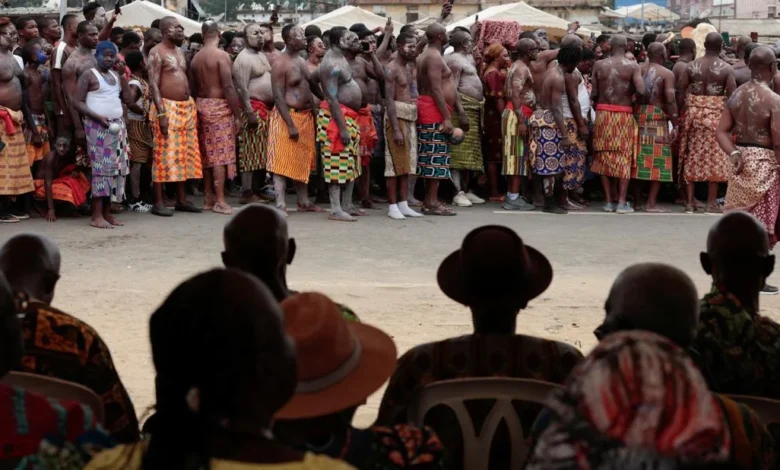
The Fatchue festival, a deeply ingrained cultural milestone for the Atchan people in Adjamé, Abidjan, serves as a poignant reminder of the enduring power of ancestral traditions in an increasingly globalized world. Held between August and September 2026, this annual event acts as both a rite of passage for the youth and a critical mechanism for the transfer of power between successive generations. As the streets of Adjamé vibrated with the rhythmic sounds of drums and the vibrant colors of traditional regalia, the Atchan community demonstrated once again that their identity remains inextricably linked to these rhythmic cycles of social renewal.
The Historical Significance of Fatchue
To understand the Fatchue, one must first understand the social structure of the Atchan, also known as the Ebrié people, who are the traditional inhabitants of the area surrounding Abidjan, the economic capital of Côte d’Ivoire. The Atchan society is organized into a complex system of age sets—a structure that dictates roles, responsibilities, and status throughout an individual’s life.
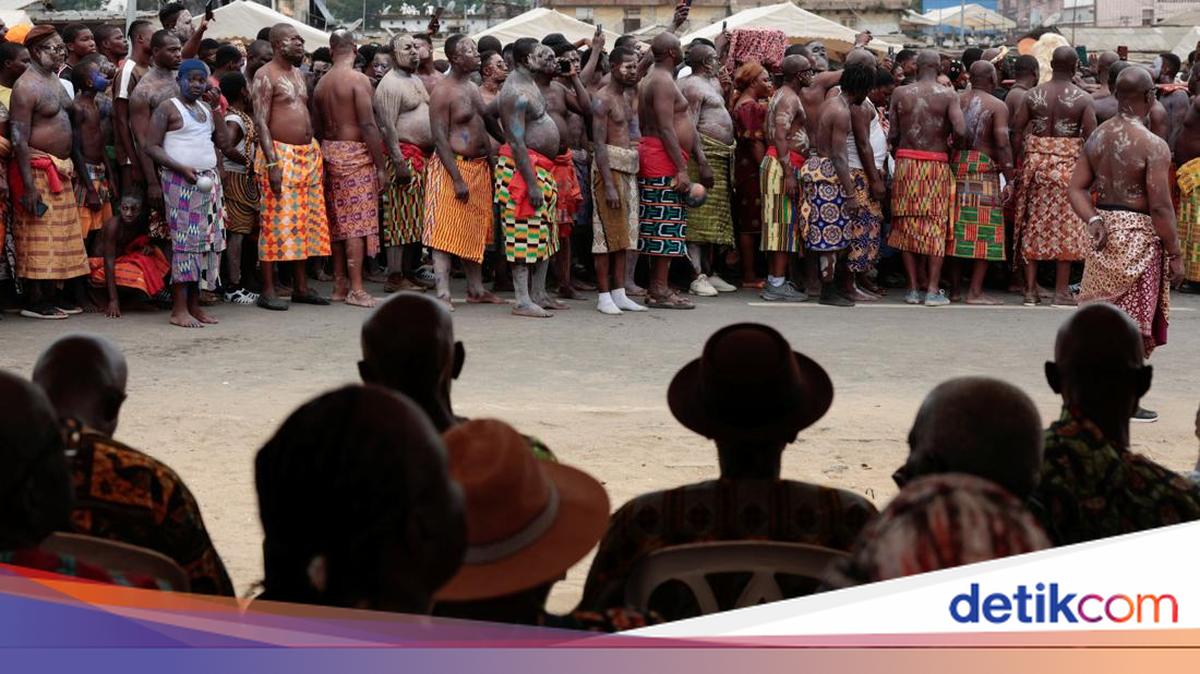
Fatchue is not merely a festival; it is a profound socio-political event. It represents the formal transition of a generation from one stage of maturity to the next. In this hierarchy, the society moves through age classes that cycle over long periods, typically spanning decades. The ceremony serves to validate the maturity of the incoming generation, granting them the social authority to participate in village governance and decision-making. Historically, this has ensured a stable, orderly transition of leadership, preventing power vacuums and ensuring that the wisdom of the elders is systematically passed down to the young warriors and future leaders.
Chronology and Execution of the Rituals
The 2026 Fatchue rituals unfolded over several weeks, beginning in late August and reaching their zenith in September. The process is meticulous, involving weeks of preparation that include the cleansing of sacred sites, the procurement of specific traditional garments, and the intensive training of the participants in oral history and customary law.
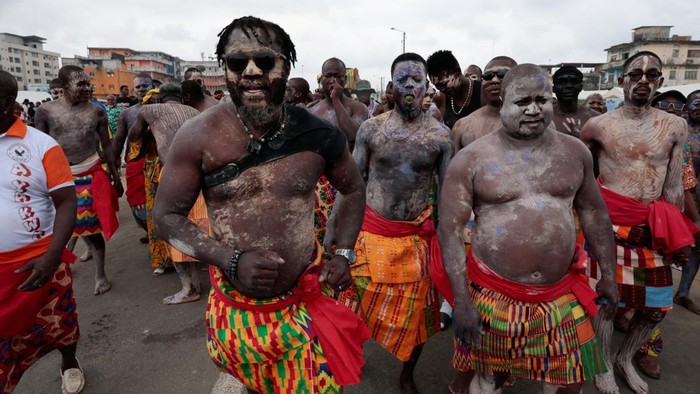
During the early stages of the festival, the youth who are set to graduate into the next age class undergo rigorous instruction. They learn the "language of the ancestors," which is expressed through dance, drum patterns, and specific symbolic gestures. As the festival progresses into September, the atmosphere shifts from solemn instruction to public celebration. The streets of Adjamé become a theater of history, where participants don elaborate warrior costumes—reminiscent of the historical role of the Atchan as protectors of their territory—and perform intricate dances that tell the story of their origins and their struggles against colonial and post-colonial challenges.

One of the most striking aspects of the 2026 proceedings was the emphasis on the "Passing of the Torch." In a series of public ceremonies, the outgoing leadership generation performed symbolic acts of surrender, handing over ceremonial stools, staffs, and other emblems of authority to the incoming generation. This is not a retirement in the modern Western sense, but rather a transition to a status of "elder advisor," where the individual continues to hold influence but ceases to be the primary executor of communal affairs.
Cultural Symbolism and Material Heritage
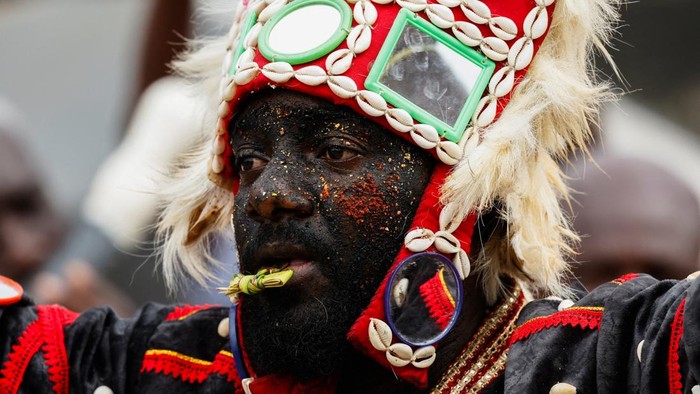
The visual language of the Fatchue is dense with meaning. The participants’ attire is not chosen for aesthetic appeal alone; every color and accessory is a signifier of social rank, clan lineage, and the specific duties they are about to assume. For instance, the use of certain natural fibers and metallic ornaments serves to connect the individual to the earth and the spirits of their ancestors.
The dances performed during the 2026 festival were particularly notable for their preservation of ancient choreography. Anthropologists note that the physical movements—often involving a low-crouching posture and sharp, aggressive strikes with wooden or metal implements—mimic the movements of historical hunters and warriors. By performing these actions, the youth are physically embodying the strength and resilience of those who came before them. This sensory experience is vital for the community, as it ensures that the collective memory of the Atchan is not lost to the digital age or the rapid urbanization of Abidjan.

Socio-Political Implications and Modern Challenges
The survival of the Fatchue in the heart of a modern metropolis like Abidjan is an anomaly in the 21st century. While many indigenous traditions globally have withered under the pressures of rapid modernization, the Atchan have managed to weave their ritual cycle into the fabric of the modern city. However, this has not been without difficulty.
The 2026 festival highlighted the tension between traditional land rights and urban development. As Abidjan expands, the traditional territories of the Atchan are increasingly under pressure from commercial real estate and infrastructure projects. The Fatchue serves as a defiant assertion of their presence and their rights to the land. When the community gathers in the thousands, it is a potent visual demonstration of their demographic and cultural weight, signaling to the government and investors that the Atchan identity is not a relic of the past, but a living, breathing component of the nation’s future.
Furthermore, the ritual acts as a safeguard against social fragmentation. By enforcing a rigid system of age-based obligations, the Fatchue ensures that every member of the tribe—regardless of their modern profession—remains tethered to their communal duties. A young man who might work in a high-tech office in central Abidjan during the week is expected to return to his village on the weekend to participate in the preparations for the Fatchue. This duality is essential for the cohesion of the Atchan people.
Expert Perspectives and Community Reactions
While international observers and media outlets—including Reuters, which documented the 2026 event—focus on the visual spectacle, the internal reactions within the Atchan community are focused on the continuity of the spirit. Local community leaders have emphasized that the 2026 edition was perhaps more critical than in previous years, given the recent influx of global cultural influences that have begun to dilute local traditions.
"The Fatchue is our passport to the future," stated one local elder during the closing ceremonies in September 2026. "If we stop dancing, we stop remembering. If we stop remembering, we cease to be Atchan."
Sociologists who study the region point out that the ritual also provides a psychological "reset" for the community. By externalizing the stress of social change through dance, song, and public theater, the Atchan manage to process the trauma of rapid development and transition. It provides a sanctioned space for the youth to vent their energy and for the elders to re-assert their moral authority in a way that is universally respected within the ethnic group.
The Role of Technology and Digital Archiving
A significant development in the 2026 Fatchue was the integration of digital documentation. While the rituals remain strictly traditional, the youth of the community have taken to social media to broadcast elements of the festival to the broader Ivorian public. This "digital heritage" approach is a departure from the secrecy that historically surrounded some aspects of the rites.
Some traditionalists expressed concern about the filming of sacred dances, fearing that the spiritual essence might be lost if commodified for social media clicks. However, the prevailing view among the organizers is that visibility is a form of protection. By showcasing the beauty and complexity of the Fatchue to the world, the Atchan are framing their culture as a point of national pride rather than something to be hidden or ashamed of in the face of Westernization.
Conclusion: A Legacy of Continuity
As the dust settled in Adjamé following the conclusion of the 2026 Fatchue, the significance of the event remained clear. The festival is not merely a static display of history; it is a dynamic process of adaptation. By successfully navigating the complexities of modern life while adhering to the core tenets of their ancestors, the Suku Atchan have provided a model for other cultures struggling to maintain their integrity in the 21st century.
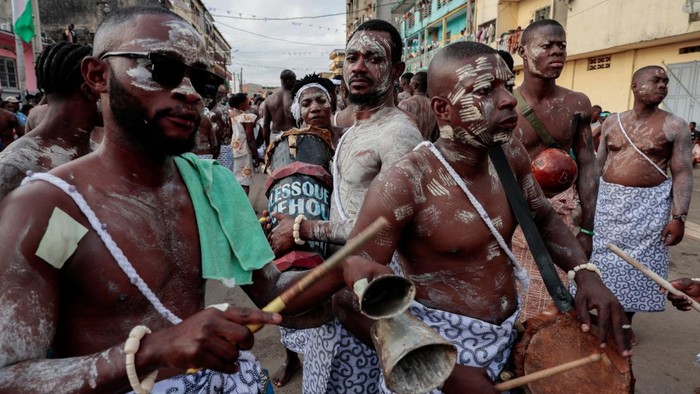
The transition of leadership, the initiation of the youth, and the reaffirmation of collective values that occurred during these months will serve as the bedrock for the Atchan community for the next generation. In the heart of Abidjan, the rhythm of the drums continues to beat, signaling that as long as the Fatchue endures, the spirit of the Atchan will remain unbroken, resilient, and deeply connected to the land of their forebears. The 2026 festival has not only honored the past but has laid a strong, traditional foundation for the challenges that lie ahead in the coming decades.
Related posts: