Mastering the Street-Vendor Flavor: A Comprehensive Guide and Culinary Analysis of Indonesia’s Iconic Nasi Goreng

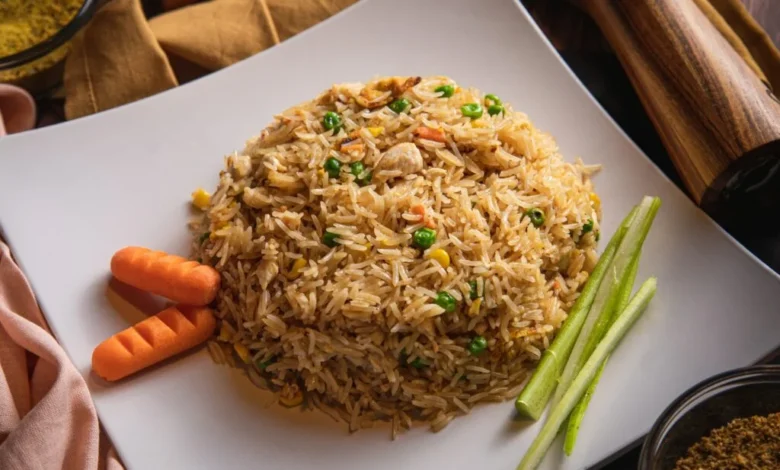
Culinary diplomacy and national identity in Southeast Asia are frequently anchored not in fine dining establishments, but in the humble, tireless operations of street-side food vendors. Among the pantheon of street food classics across the archipelago, fried rice—universally known as nasi goreng—holds an undisputed position of reverence. Often crowned as a national dish of Indonesia alongside rendang and soto, nasi goreng transcends socioeconomic boundaries, consumed with equal fervor by laborers, corporate executives, and international dignitaries alike. While countless upscale restaurants and modern bistros offer gourmet interpretations of the dish, public sentiment consistently favors the distinct, smoky profile produced by traditional street vendors, commonly referred to affectionately as "abang-abang nasi goreng gerobak" (cart-based fried rice vendors). For culinary enthusiasts and home cooks seeking to replicate this elusive street-side profile within residential kitchens, understanding the precise chemistry of the preparation, the selection of fundamental ingredients, and the execution of high-heat wok techniques is paramount.
The Cultural and Historical Significance of Nasi Goreng in Indonesian Society
To comprehend the allure of the street vendor’s fried rice, one must first examine the historical and cultural roots of the dish within Indonesian gastronomy. Originating as a practical culinary solution to prevent food waste in households where leftover cooked rice from the previous day would otherwise spoil in tropical climates, nasi goreng evolved over centuries through various cultural exchanges. Influenced heavily by Chinese culinary traditions—specifically the technique of stir-frying leftover rice with available proteins, vegetables, and soy sauce—the dish was localized through the integration of native Southeast Asian spices, shallots, garlic, chili peppers, and shrimp paste (terasi).
By the mid-20th century, as urbanization accelerated and cities like Jakarta, Surabaya, and Medan experienced massive population influxes, the mobile food cart (gerobak) emerged as a vital socio-economic engine. Street vendors utilizing charcoal-fueled stoves or high-pressure gas burners became ubiquitous fixtures of the nocturnal urban landscape. These vendors developed specialized seasoning bases and rapid cooking methods designed to feed hungry patrons quickly, affordably, and consistently. Over decades, the distinct aroma of shallots frying in lard or high-grade cooking oil, mingling with the caramelizing notes of sweet soy sauce (kecap manis) over searing cast-iron or carbon-steel woks, became a comforting sensory trigger for millions of Indonesians.
Anatomical Breakdown of the Street-Vendor Profile: Why Cart Nasi Goreng Tastes Different
Culinary researchers and food scientists frequently point to several distinct variables that differentiate institutional or home-cooked fried rice from the version produced by a seasoned street vendor. The primary differentiator is thermal energy output. Traditional home stoves typically operate on standard domestic gas lines, yielding lower BTUs (British Thermal Units). In contrast, street vendors utilize commercial high-pressure burners capable of enveloping a heavy-duty wok in intense, direct flame. This allows for the phenomenon known as wok hei—the "breath of the wok"—where organic compounds and oils aerosolize and impart a complex, smoky, charred essence to the grains of rice.

Furthermore, the choice of fat plays a critical role. While modern home cooks often gravitate toward health-conscious oils like olive or canola, traditional cart vendors frequently rely on pork lard, chicken fat, or standard palm oil heated to high temperatures. This heavy fat coats each individual grain of rice, preventing moisture absorption and ensuring a distinct, non-soggy, slightly crisped texture. Additionally, the pre-preparation of a standardized aromatic base—known locally as bumbu dasar—allows vendors to achieve uniform flavor profiles across hundreds of servings while drastically reducing preparation time during peak operational hours.
Comprehensive Ingredient Guide for Authentic Preparation
Replicating the genuine street-side flavor profile requires careful sourcing of foundational ingredients. Culinary purists emphasize that shortcuts in ingredient selection will fundamentally alter the final organoleptic properties of the dish. The preparation is divided into two primary phases: the creation of the foundational spice paste (bumbu halus) and the final assembly of the stir-fry.
The Essential Bumbu Halus (Spice Paste) Components:
- Shallots (Bawang Merah): Providing a sweet, pungent foundational base that differentiates Indonesian cooking from dishes relying heavier on bulb onions.
- Garlic (Bawang Putih): Balancing the sweetness of the shallots with sharp, savory notes.
- Candlenuts (Kemiri): Acting as a natural thickening and emulsifying agent, imparting a creamy, rich mouthfeel once toasted and ground.
- Fresh Red Chilis (Cabai Merah): Providing mild heat and a vibrant reddish hue; seeds can be adjusted based on desired spice tolerance.
- Dried Shrimp Paste (Terasi): A controversial yet indispensable ingredient that contributes deep umami, fermented complexity, and unmistakable aromatic depth.
The Final Assembly Components:
- Day-old Cooked Rice: Crucial for structural integrity. Freshly cooked rice contains excessive moisture, leading to clumping and mushy textures during stir-frying. Storing cooked rice uncovered in a refrigerator overnight dehydrates the surface starch molecules, allowing them to separate cleanly in the wok.
- Proteins and Additives: Traditional street carts typically offer shredded or diced chicken, sliced meatballs (bakso), sweet Chinese sausage (lapis), and scrambled eggs incorporated directly into the wok or served as a garnish.
- Seasonings: Sweet soy sauce (kecap manis) for caramelization and color, fish sauce or salt for primary sodium balance, and white pepper powder for a subtle, warming kick.
- Accompaniments: Sliced fresh cucumbers, ripe tomatoes, crisp lettuce leaves, and homemade pickled shallots and bird’s eye chilis (acar), accompanied by traditional shrimp crackers (kerupuk).
Step-by-Step Methodology: Crafting the Bumbu Halus
The foundation of any exceptional nasi goreng lies in the thorough preparation and proper cooking of the spice paste. Creating a batch in advance not only saves time during evening cooking sessions but also allows the complex flavors to meld cohesively.

- Selection and Preparation of Raw Aromatics: Weigh equal proportions of clean, peeled shallots and garlic cloves. Clean the fresh red chilis by removing stems and, if desired, scraping out the interior seeds to control the Scoville heat profile.
- Roasting or Toasting the Candlenuts: To neutralize any raw bitterness and activate the natural oils, lightly toast the candlenuts in a dry pan over medium-low heat until fragrant and lightly golden brown.
- Mechanical Blending Versus Traditional Stoneware: While modern kitchens rely on electric food processors or blenders for efficiency, traditional culinary practitioners argue that manual grinding using a stone mortar and pestle (ulekan) ruptures cell walls more effectively without releasing excess water, resulting in a superior paste consistency.
- Sautéing the Paste: Heat a generous quantity of cooking oil in a pan over medium heat. Introduce the blended aromatics alongside a small pinch of dried shrimp paste. Sauté the mixture continuously for 10 to 15 minutes until the harsh raw aromas dissipate, the color deepens to a rich amber, and the natural oils separate from the solids (known in Indonesian culinary terminology as pecah minyak).
- Storage Protocols: Once cooled completely, transfer the cooked bumbu halus into an airtight glass container. Stored under proper refrigeration temperatures between 2°C and 4°C, this foundational paste will retain its optimal flavor profile for up to 30 days, serving as a versatile base not only for fried rice but also for stir-fried noodles and vegetable dishes.
Executing the Final Stir-Fry: The Home-Kitchen Workflow
Transforming raw day-old rice and the prepared bumbu halus into a finished culinary product requires precise timing, active heat management, and swift mechanical motion. Because home stoves lack the intense caloric output of commercial cart burners, home cooks must adapt by working in manageable batch sizes—ideally no more than two single-portion servings per wok load—to prevent thermal dropping.
- Thermal Preparation of the Cooked Rice: Remove the refrigerated day-old rice from cold storage at least 30 minutes prior to cooking. Using clean hands or a wooden spatula, gently break apart any dense clumps of grains so that individual pieces of rice are completely separated.
- Heating the Vessel: Place a well-seasoned carbon-steel wok or heavy cast-iron skillet over maximum heat for 3 to 5 minutes until the metal is thoroughly hot. Add high-smoke-point cooking oil, swirling it to coat the entire interior surface.
- Incorporating Proteins and Aromatics: Introduce raw protein elements such as diced chicken breast or sliced beef meatballs directly into the hot oil, searing them quickly until edges are browned. Push the proteins to the side of the wok and add two to three tablespoons of the pre-prepared bumbu halus into the exposed center well. Sauté the paste for approximately 30 to 45 seconds until intensely aromatic.
- Egg Integration: Crack one fresh egg directly into the wok alongside the aromatics. Allow the albumen to set briefly before vigorously scrambling it with the spatula, breaking it into small curds that distribute evenly throughout the mixture.
- Rice Incorporation and High-Heat Toss: Add the prepared day-old white rice into the wok. Immediately increase the spatula motion, tossing and folding the ingredients continuously to ensure the hot oil, bumbu, egg, and proteins coat every single grain of rice uniformly.
- Seasoning Application: Drizzle sweet soy sauce (kecap manis) around the inner perimeter of the heated wok rather than directly onto the center of the rice. This allows the sugars in the soy sauce to caramelize instantly upon contact with the hot metal, imparting the signature smoky, sweet-savory flavor profile characteristic of street vendor preparations. Season with fine salt, white pepper powder, and optionally a dash of chicken bouillon powder for enhanced umami depth.
- Final Finishing and Plating: Continue stir-frying briskly for another two to three minutes until the rice grains dance lightly in the pan, emitting a dry, crackling sound and showing an even, glossy mahogany hue. Transfer the finished nasi goreng immediately onto a serving plate.
Garnish, Presentation, and Culinary Analysis of Nutritional Implications
The sensory experience of consuming authentic street-style nasi goreng is significantly enhanced by the thoughtful inclusion of traditional garnishes. The contrast between the hot, savory, lipid-rich fried rice and the cool, acidic, crisp accompaniments provides essential palate balance.
- Sliced Cucumbers and Tomatoes: Provide high water content and natural sweetness, serving as a palate cleanser between heavy, spice-laden bites.
- Pickled Acar: Composed of diced cucumbers, shallots, and bird’s eye chilis marinated in a solution of white vinegar, sugar, and water; the acidity cuts through the dense fats of the dish.
- Kerupuk (Shrimp Crackers): Add a vital textural dimension, introducing audible crunch and deep umami resonance.
- Fried Shallots (Bawang Goreng): Sprinkled generously over the top just before serving, adding an extra layer of roasted allium flavor and crispness.
From a nutritional perspective, street-style nasi goreng is a calorie-dense meal primarily composed of complex carbohydrates, high-energy fats, and moderate protein content. While the dish provides sustained energy suited for manual laborers and active urban workers, dietary analysts recommend mindful portion control for sedentary populations due to the elevated sodium levels present in soy sauces, shrimp paste, and flavor enhancers. Nevertheless, the cultural permanence and universal popularity of the dish ensure that the art of crafting authentic cart-style nasi goreng remains an essential culinary skill, bridging the gap between nostalgic street traditions and contemporary home cooking.
Related posts: