Comprehensive Guide to Nutritional Transition and Dietary Requirements for One-Year-Old Infants

The transition from infancy to toddlerhood marks one of the most critical physiological milestones in a child’s development, particularly regarding nutritional intake and the mastery of oral-motor skills. Upon reaching the first birthday, a child typically moves away from a diet dominated by purees and soft textures toward a more diverse array of "family foods." This period is characterized by a significant shift in caloric requirements, the introduction of complex textures, and the establishment of lifelong eating habits. Pediatric nutritionists emphasize that while breast milk or formula may still play a supportive role, solid foods now become the primary source of energy and essential micronutrients required for rapid physical and cognitive growth.

The Physiology of Dietary Transition
By age one, most children have developed the coordination necessary to chew and swallow more complex textures. This developmental window is crucial; experts suggest that exposing children to varied textures between 6 and 12 months, and solidifying these habits at 12 months, can prevent "picky eating" and sensory processing issues later in life. The introduction of family-style meals allows the child to participate in the social aspect of dining, which is vital for emotional and behavioral development.
According to global health organizations, including UNICEF and the World Health Organization (WHO), the dietary strategy for a one-year-old should focus on nutrient density. Because a toddler’s stomach is still relatively small, every bite must provide significant value. The daily caloric target for a child of this age—averaging a weight of 9.5 to 10 kilograms—is approximately 1,000 calories, distributed across three main meals and two healthy snacks.

Strategic Approaches to Introducing Textures and Flavors
Introducing new foods requires a systematic approach to ensure both safety and acceptance. Parents are encouraged to adopt several evidence-based strategies:
1. Integration of Core Food Groups
Toddlers should consume foods from the same basic nutritional groups as adults: vegetables, fruits, grains (bread, cereal, or pasta), proteins (meat, fish, legumes), and dairy. This variety ensures a balanced intake of macronutrients—carbohydrates, proteins, and fats—and essential micronutrients like iron, zinc, and calcium.

2. The "Rainbow Diet" Concept
Visual stimulation plays a significant role in a child’s interest in food. A "rainbow" of fruits and vegetables not only provides a broad spectrum of phytochemicals and antioxidants but also makes the plate aesthetically engaging. If a child rejects a specific preparation method, such as boiled cauliflower, experts suggest alternative cooking techniques like roasting to alter the flavor profile and texture, which may increase palatability.
3. Encouraging Self-Feeding and Independence
Allowing a child to handle food—a practice often associated with Baby-Led Weaning (BLW)—supports the development of fine motor skills and hand-eye coordination. Finger foods that are easy to grip encourage the child to regulate their own intake, fostering a sense of autonomy.

4. Safety and Size Modulation
Despite the transition to adult foods, choking remains a significant risk. Parents must ensure that high-risk foods, such as grapes or cherry tomatoes, are quartered lengthwise. Hard, round objects should be avoided or modified to ensure they do not block the narrow infant airway.
Nutrient-Dense Foods Recommended for One-Year-Olds
The following list identifies key ingredients that support the developmental needs of a growing toddler, supported by clinical data and nutritional science.

- Poultry (Chicken): A primary source of high-quality protein and Vitamin B6. Research published in Food & Nutrition Research indicates that poultry consumption as part of a balanced diet supports metabolic health and provides the amino acids necessary for muscle development.
- Corn: As a cereal-based staple, corn provides essential fiber and energy. Studies in Current Developments in Nutrition show that fortified cereal-based foods help mitigate risks of anemia and Vitamin A deficiency in young children.
- Commercial Fortification (Promina Cream Soup): For parents seeking convenience without compromising nutrition, specialized products like Promina Cream Soup offer a controlled nutritional profile. Formulated for toddlers, these options often include real chicken and corn, fortified with 11 vitamins, Omega-3, Omega-6, and iron, while remaining free from MSG and artificial preservatives.
- Bananas: These are rich in potassium and carbohydrates, providing a quick energy source. Their soft texture makes them an ideal transition food.
- Sweet Potatoes: High in beta-carotene (Vitamin A), potassium, and fiber, sweet potatoes are often favored by toddlers due to their natural sweetness.
- Avocados: A rare source of healthy monounsaturated fats, avocados are essential for brain development and the absorption of fat-soluble vitamins (A, D, E, and K).
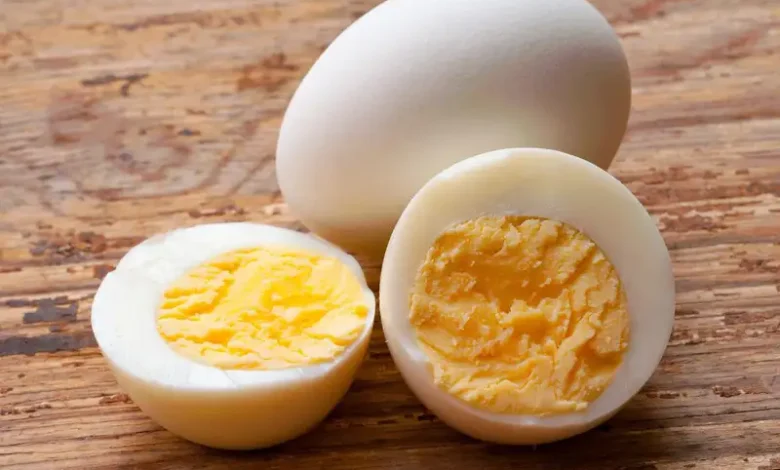
- Eggs: Often cited as a "superfood" for toddlers, eggs provide Choline, which is vital for brain function and memory. The iron content in yolks also supports healthy blood production.
- Carrots: Beyond Vitamin A for ocular health, carrots introduce a natural sweetness and can be served in various textures, from soft-boiled to finely shredded.
- Yogurt and Cheese: These dairy products provide calcium and phosphorus for bone density. Yogurt also introduces probiotics, which support the developing gut microbiome. Full-fat versions are recommended to meet the high energy demands of brain growth.
- Red Meat: This is a bioavailable source of heme iron and zinc, both of which are critical for cognitive development and immune function.
- Fish: Fatty fish like salmon or local mackerel provide DHA and Omega-3 fatty acids, which are integral to retinal and neurological health.
- Whole Grains (Brown Rice and Pasta): These provide complex carbohydrates for sustained energy and B vitamins for cellular metabolism.
- Berries: Blueberries and strawberries offer high concentrations of antioxidants and Vitamin C, which aids in the absorption of iron from plant-based sources.
Foods to Avoid: Safety and Developmental Risks
While the menu expands significantly at one year, certain foods pose physiological or safety risks:
- Raw Vegetables: Hard textures like raw carrots or celery are significant choking hazards and are difficult for toddlers to digest.
- Whole Grapes: Their shape and skin make them one of the most common causes of food-related choking fatalities in children under three.
- Canned Fruits in Syrup: These often contain excessive added sugars, which can lead to dental caries and a preference for hyper-palatable foods.
- Chocolate and Caffeine: Stimulants can disrupt sleep patterns and are often accompanied by high sugar and fat content that a toddler’s digestive system is not yet equipped to process efficiently.
- Low-Fat Dairy: Children under two require the calories and fats found in whole milk for proper myelination of the nervous system.
- Popcorn: The irregular shape and hard hulls of popcorn kernels can easily be aspirated into the lungs.
Sample Daily Menu and Nutritional Analysis
To maintain a target of 1,000 calories, a sample daily structure might include:

- Breakfast: Half a cup of iron-fortified cereal or one egg, served with a small portion of fruit and half a cup of whole milk.
- Morning Snack: One slice of whole-wheat toast with a thin layer of peanut butter or avocado.
- Lunch: A small bowl of chicken and vegetable soup (or Promina Cream Soup) with a side of soft-cooked pasta or brown rice.
- Afternoon Snack: Half a cup of plain, full-fat yogurt with mashed berries.
- Dinner: Two tablespoons of ground red meat or flaked fish, half a cup of cooked green vegetables (spinach or broccoli), and a small portion of mashed sweet potato.
Broader Implications of Early Childhood Nutrition
The dietary choices made during the first year of life have long-term implications for public health. Clinical studies suggest that early exposure to a wide variety of flavors and textures reduces the likelihood of childhood obesity and chronic metabolic conditions in adulthood. Furthermore, the transition to solid foods is a critical period for iron intake; iron-deficiency anemia in toddlers is linked to permanent cognitive and behavioral delays.
By focusing on a combination of whole foods, nutrient-dense ingredients, and safe feeding practices, parents can ensure their children reach their full developmental potential. The role of the caregiver is not merely to provide calories, but to curate a sensory and nutritional environment that supports the complex biological requirements of a growing human being. As the child moves further into their second year, these foundational habits will dictate their relationship with food and health for decades to come.