
Guide to Optimal Nutrition and Meal Planning for One-Year-Old Infants: A Comprehensive Framework for Growth and Development

The transition from infancy to toddlerhood marks a critical physiological and behavioral milestone, particularly regarding nutritional intake and the development of eating habits. As a child reaches the one-year mark, their dietary requirements shift from a reliance on liquid-based nutrition and soft purees toward a diverse "family-style" diet. This period is often characterized by the child’s readiness to consume a variety of textures and flavors, mirroring the meals served to adults. However, ensuring that this transition is both safe and nutritionally complete requires a strategic approach from parents and caregivers, focusing on nutrient density, texture progression, and the establishment of healthy long-term eating behaviors.

The Developmental Transition: From Purees to Family Foods
The first birthday serves as a gateway to broader culinary exploration. At this stage, according to the World Health Organization (WHO) and UNICEF, while breast milk or formula may still provide supplemental nutrition, the primary source of energy and essential vitamins must come from solid foods. The child’s digestive system and oral motor skills have typically matured enough to handle chopped, mashed, and even small pieces of firm food.

A primary objective for parents during this phase is the introduction of varied textures. Moving beyond smooth textures to more complex ones, such as roasted vegetables or soft meats, helps stimulate the development of jaw muscles and improves swallowing coordination. Journalistic analysis of pediatric data suggests that children exposed to a wide variety of textures before the age of 18 months are significantly less likely to develop "picky eating" habits or sensory aversions later in childhood.
Strategic Approaches to Texture and Sensory Introduction
To facilitate a successful transition, pediatric nutritionists recommend several evidence-based strategies:

- The Integration of Adult Food Groups: Infants should begin consuming items from the five core food groups: vegetables, fruits, grains (bread, cereal, or pasta), protein (meat, poultry, fish, or legumes), and dairy. Introducing these in a form similar to adult meals helps the child acclimate to the family’s culinary culture.
- The "Rainbow" Nutritional Strategy: Visual appeal is a significant driver of food acceptance in toddlers. By presenting a "rainbow" of colors on the plate—such as the deep orange of carrots, the vibrant green of spinach, and the rich red of berries—parents ensure a broad spectrum of phytonutrients and antioxidants while maintaining the child’s interest in the meal.
- Encouraging Autonomy through Self-Feeding: At twelve months, fine motor skills, including the "pincer grasp," are developing rapidly. Providing finger foods or allowing the child to use a blunt spoon fosters independence and improves hand-eye coordination. Research indicates that toddlers who are allowed to self-feed are often better at self-regulating their caloric intake.
- Safety Protocols and Choking Hazard Mitigation: Despite their increased capabilities, one-year-olds remain at high risk for choking. Hard, round, or excessively large pieces of food must be avoided. Recommendations include quartering small fruits like grapes and cherry tomatoes and ensuring all meats are shredded or cut into manageable, pea-sized bites.
Essential Nutrient-Dense Foods for the One-Year-Old Diet
The following foods are recognized by health experts as foundational for supporting the rapid physical and cognitive growth occurring at this stage:

High-Quality Proteins and Brain Development
- Chicken and Red Meat: These are vital sources of heme iron and Vitamin B6. Iron is particularly crucial at this stage, as the iron stores a baby is born with are typically depleted by the end of the first year. Red meat provides highly bioavailable iron, which supports oxygen transport and cognitive function.
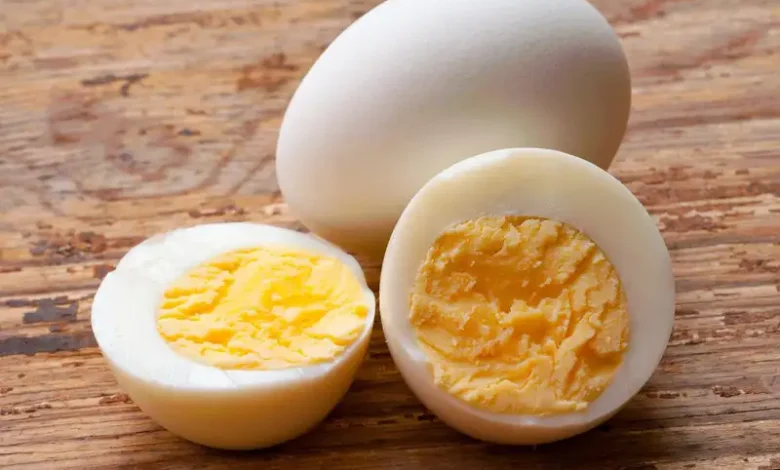
- Eggs: Often cited as a "perfect protein," eggs contain choline, a nutrient essential for brain development and memory retention. Both the white and the yolk offer different but equally important vitamins, including A, D, E, and B12.
- Fish: Fatty fish, such as salmon or local varieties like ikan kembung (mackerel), are rich in Omega-3 fatty acids (DHA and EPA). These fats are structural components of the brain and retina, making them indispensable for visual and neural health.
Carbohydrates and Sustained Energy
- Corn and Whole Grains: Corn provides fiber and essential B vitamins. When used in fortified forms, it can help prevent anemia and Vitamin A deficiency.
- Brown Rice and Pasta: Unlike refined grains, brown rice offers complex carbohydrates and fiber, which provide a steady release of energy and support digestive regularity. Pasta serves as a versatile base that can be easily enriched with vegetable purees or meat sauces.
Vitamins, Minerals, and Antioxidants
- Sweet Potatoes and Carrots: Both are exceptional sources of beta-carotene, which the body converts into Vitamin A. This is vital for immune function and ocular health. Their natural sweetness often makes them a preferred choice for toddlers.
- Avocado: Unique among fruits for its high healthy fat content, avocado provides monounsaturated fats that support heart health and aid in the absorption of fat-soluble vitamins.
- Berries: Blueberries and strawberries are packed with antioxidants and Vitamin C, which aids in iron absorption when consumed alongside meat or plant-based proteins.
Dairy and Bone Health
- Full-Fat Yogurt and Cheese: Because brain development requires significant fat intake until age two, full-fat dairy is preferred over low-fat versions. Yogurt also introduces beneficial probiotics that support a healthy gut microbiome, while cheese provides concentrated calcium and phosphorus for bone and tooth mineralization.
The Role of Fortified Complementary Foods
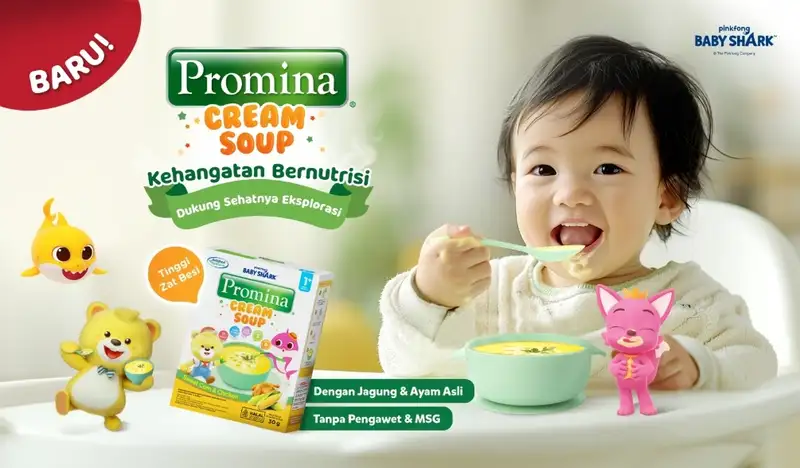
While whole foods are the gold standard, modern nutritional science acknowledges the utility of fortified complementary foods in filling nutritional gaps. Products such as Promina Cream Soup, which utilizes real chicken and sweet corn without the use of MSG or artificial preservatives, can serve as a practical bridge for busy parents. Such products are often formulated with 11 vitamins, Omega-3, Omega-6, and high iron content, ensuring that even a quick snack contributes meaningfully to the child’s daily nutritional requirements.

Foods to Avoid: Identifying Nutritional and Safety Risks
A critical component of pediatric nutrition is the exclusion of items that can be detrimental to an infant’s developing system:

- Raw Vegetables and Popcorn: Due to their hardness and irregular shapes, these pose severe choking risks.
- Whole Grapes and Large Nut Pieces: These can easily block a small airway.
- Canned Fruits and Sweets: Often high in added sugars and preservatives, these can lead to dental caries and a preference for hyper-palatable, low-nutrient foods.
- Chocolate and Caffeine: These can disrupt sleep patterns and overstimulate the nervous system.
- Low-Fat Milk: Until the age of two, children require the concentrated energy and fats found in whole milk for proper myelination of the nervous system.
Analysis of Caloric Needs and Sample Meal Planning
On average, a one-year-old requires approximately 1,000 calories per day to support their activity levels and growth. This should be distributed across three main meals and two healthy snacks. A sample daily menu might include:

- Breakfast: Half a cup of iron-fortified cereal or a small bowl of oatmeal with mashed banana and a splash of whole milk.
- Morning Snack: Sliced strawberries or a small serving of full-fat yogurt.
- Lunch: Half a sandwich with thin-spread peanut butter or mashed avocado, accompanied by well-cooked carrot sticks.
- Afternoon Snack: A small bowl of cream soup (such as corn and chicken) or a few cubes of mild cheese.
- Dinner: Two to three tablespoons of ground beef or flaked fish, two tablespoons of mashed sweet potato, and a small serving of steamed broccoli florets.
Broader Implications for Long-Term Health
The dietary patterns established at twelve months have profound implications for a child’s future health trajectory. Research into the "First 1,000 Days" of life—the period from conception to a child’s second birthday—highlights this as a window of opportunity where nutrition can influence the risk of chronic diseases such as obesity, diabetes, and hypertension in adulthood.

Furthermore, introducing aromatic ingredients like onions and mild spices (garlic, turmeric, or coriander) at this age can expand a child’s palate, reducing the likelihood of neophobia (fear of new foods) later in life. By prioritizing a diverse, nutrient-dense, and safe diet, parents are not merely feeding a toddler; they are laying the biological and behavioral foundation for a lifetime of wellness.

In conclusion, the transition to a one-year-old’s diet is a multifaceted process that balances nutritional science with developmental psychology. By focusing on high-quality proteins, healthy fats, and a variety of textures while remaining vigilant about safety, caregivers can ensure that their children reach their full growth potential during this formative year.