
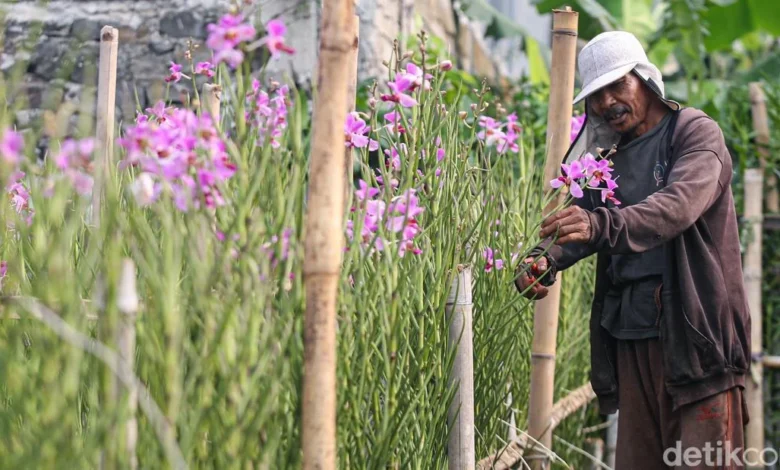
In an era characterized by rapid urbanization, soaring land prices, and the relentless conversion of agricultural green spaces into commercial and residential hubs, the survival of traditional farming enterprises has become increasingly precarious. Yet, tucked away in the bustling urban landscape of Tangerang Selatan, Banten, a resilient orchid cultivation farm in Pamulang continues to defy the odds. Spanning an impressive 2,400 square meters, this botanical haven stands as a steadfast guardian of a fading heritage, striving to preserve the enduring identity of Tangerang Selatan as the historic "Kota Anggrek" (Orchid City)—a moniker that once defined the region’s agricultural prowess.
Unyielding Roots: The Historical Context of Tangerang Selatan’s Orchid Culture
To fully appreciate the significance of the Pamulang orchid farm, one must look back at the agricultural history of Tangerang Selatan. Decades ago, long before the region evolved into a densely populated satellite city for Indonesia’s capital, Jakarta, it was widely celebrated across the archipelago for its thriving floriculture industry. Orchids, with their exotic beauty and delicate elegance, were the crown jewel of local agriculture. Vast swathes of land were dedicated to cultivating these tropical epiphytes, transforming the region into a major economic and cultural hub for flower enthusiasts, botanists, and commercial traders.
However, the relentless march of progress brought profound changes. As infrastructure projects expanded and the demand for housing skyrocketed to accommodate the burgeoning Greater Jakarta population, agricultural zoning gave way to concrete. Greenhouses were systematically dismantled, replaced by housing complexes, retail spaces, and paved roads. Over the years, the number of commercial orchid nurseries dwindled to a fraction of what they once were. Today, the farm in Pamulang operates almost as a solitary sentinel, keeping alive a botanical tradition that risks being lost to the pages of history.
Inside the Pamulang Nursery: Varieties and Cultivation Excellence
Operating on a sprawling 2,400-square-meter plot, the Pamulang orchid garden is far more than just a commercial enterprise; it is a living conservation center. The facility successfully breeds and maintains a diverse array of orchid cultivars, each tailored to suit different aesthetic preferences and environmental conditions. Among the standout varieties nurtured at the site are Vanda Douglas, Miranda, Kalajengking, and Gimstory.
Each variety boasts distinct morphological characteristics. The Vanda Douglas, for instance, is renowned for its robust nature and striking coloration, making it a favorite among tropical landscapers. Meanwhile, varieties like Miranda and Gimstory capture the attention of high-end collectors with their intricate petal formations and vibrant, long-lasting blooms. The cultivation process is meticulous, requiring constant monitoring by skilled horticultural workers. Daily routines involve precise watering regimens, careful fertilizer application, weed control, and pest management to ensure optimal plant health.
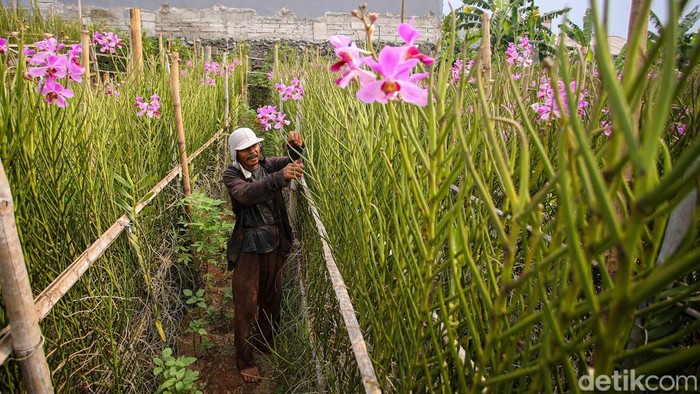
The lifecycle of these magnificent flowers requires immense patience and dedication. From the initial planting stage to the moment an orchid is fully matured and ready for harvest, the cultivation cycle spans approximately eight months. Farm managers closely synchronize the harvesting timeline with market demand, ensuring that the inventory remains fresh and capable of fulfilling both retail and bulk orders without encountering overproduction or supply shortages.
Market Dynamics and Economic Accessibility
Despite the niche nature of ornamental plant farming, the Pamulang nursery has successfully adapted to modern economic realities by balancing traditional customer engagement with digital transformation. The pricing strategy employed by the management makes these exotic flowers accessible to a broad demographic. Depending on the size, species, and maturity of the plant, prices range affordably from Rp15,000 to Rp75,000 per tree.
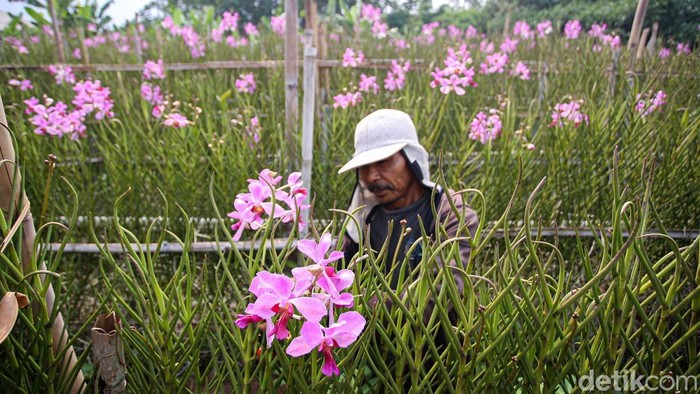
This tiered pricing model has democratized the appreciation of orchids. No longer viewed solely as luxury items reserved for elite botanical collectors, the orchids cultivated in Pamulang are increasingly sought after by everyday households looking to elevate their living spaces, as well as local businesses, cafes, and corporate offices aiming to infuse natural elegance into their commercial interiors.
Furthermore, the farm’s distribution network extends far beyond the borders of Tangerang Selatan. By embracing e-commerce platforms and digital marketing strategies alongside traditional on-site purchases, the nursery successfully ships its botanical products to various regions across the Indonesian archipelago. This digital pivot has provided a crucial financial cushion, allowing the enterprise to remain economically viable despite rising operational costs and local land-use pressures.
Socio-Economic and Environmental Implications
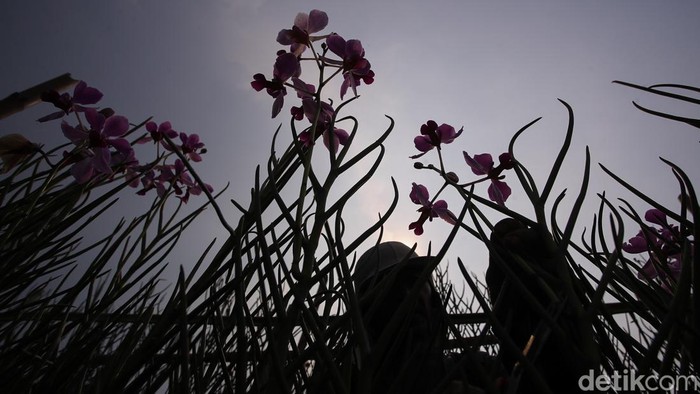
The perseverance of the Pamulang orchid farm carries significant implications for urban ecology, local employment, and cultural preservation. From an environmental standpoint, large green spaces like this 2,400-square-meter sanctuary act as vital ecological lungs within a heavily developed urban environment. They help mitigate local urban heat island effects, improve air quality, and maintain a semblance of biodiversity in a concrete-heavy municipality.
Economically, the nursery provides steady employment for local agricultural workers, imparting specialized horticultural skills that contribute to community self-reliance. Workers are trained in advanced plant propagation, tissue culture handling, and customized care techniques, fostering a knowledgeable local workforce capable of sustaining the floriculture sector.
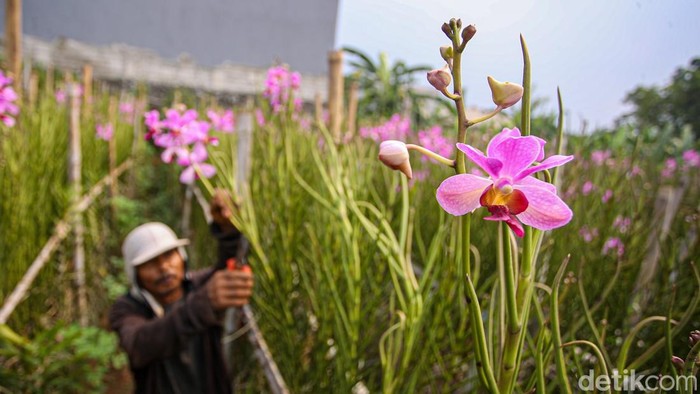
Culturally, the farm serves an educational purpose. For younger generations of Tangerang Selatan residents who grew up surrounded by high-rises and shopping malls, the nursery offers a tangible connection to their city’s heritage. It transforms historical abstraction into a living reality, demonstrating what the region once represented before rapid modernization reshaped its geography.
Looking Ahead: The Future of Urban Floriculture
As Tangerang Selatan continues to chart its course as a modern metropolitan area, the challenges facing remaining agricultural pockets will only intensify. Land scarcity, escalating property taxes, and generational shifts in farming labor pose perpetual threats to traditional nurseries. Yet, the enduring success of the Pamulang orchid garden offers a blueprint for survival. By combining diversified crop portfolios, digital market integration, and a deep commitment to regional identity, specialized agricultural enterprises can carve out a sustainable niche in the modern economy.
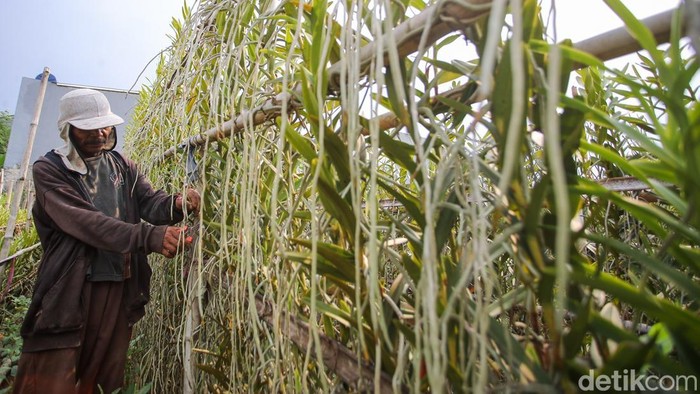
Ultimately, the Pamulang orchid farm does more than simply cultivate flowers; it curates resilience. By keeping its greenhouses thriving in the face of urban encroachment, the facility ensures that the title of "Kota Anggrek" remains a living legacy rather than a forgotten historical footnote, proving that nature and modernity can, with deliberate effort, find a way to coexist.