National Nutrition Agency Leadership Transition and the Proposed Establishment of a Supervisory Board under Sudaryono

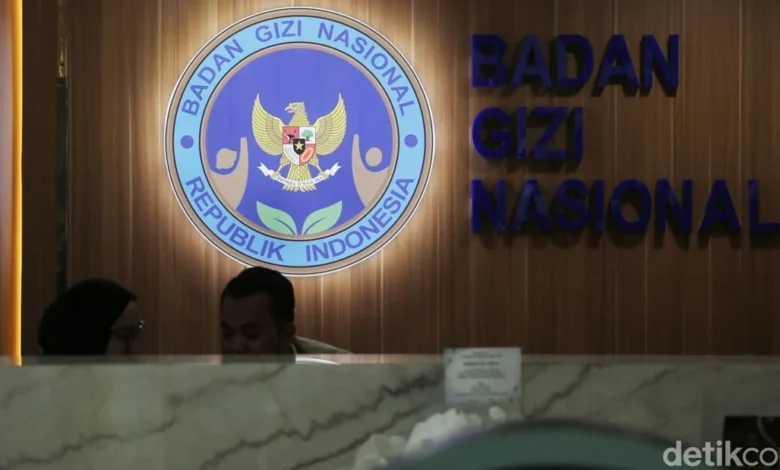
Sudaryono, the newly appointed Head of the National Nutrition Agency (Badan Gizi Nasional or BGN), has officially addressed the ongoing discussions regarding the potential formation of a Board of Supervisors for the agency. This development follows the high-profile resignation of the previous head, Nanik S. Deyang, who stepped down citing health concerns. Speaking at a press conference held at the BGN headquarters in Central Jakarta on Wednesday, July 22, 2026, Sudaryono clarified that while official directives regarding the board’s structure have yet to be finalized, he maintains a proactive and welcoming stance toward enhanced institutional oversight.
The transition comes at a critical juncture for the Indonesian government as it accelerates the implementation of its flagship nutritional programs. Sudaryono, who previously served as the Deputy Minister of Agriculture, was appointed to lead the BGN to ensure the continuity of the Free Nutritious Meal (Makan Bergizi Gratis) program, a cornerstone initiative of the Prabowo Subianto administration. The sudden leadership change has sparked questions regarding the agency’s internal governance and the mechanisms in place to prevent the misappropriation of its substantial budget.
The Proposed Board of Supervisors: Enhancing Transparency
During the press conference, Sudaryono emphasized that he had not yet received detailed information or a formal mandate concerning the establishment of a Board of Supervisors. However, he expressed his support for any move that would strengthen the agency’s accountability. "Regarding the Board of Supervisors, I have not received further information," Sudaryono stated. "But, essentially, our goal is to work correctly. If there is a Board of Supervisors, of course, it is better for the organization."
The concept of a Supervisory Board (Dewan Pengawas) is not uncommon in Indonesian state agencies, particularly those managing large-scale social programs or significant state funds. Such boards are typically tasked with monitoring performance, ensuring compliance with legal frameworks, and providing strategic advice to the executive leadership. Sudaryono noted that even in the absence of a formal board, the agency remains under the watchful eye of the public and existing state auditors.
He went further by inviting the general public and the media to act as unofficial supervisors of the BGN’s activities. "All of you [the media] can also be supervisors. If there is something that isn’t right, please report it. I am opening myself up to all of this," he added, signaling a commitment to transparency that he hopes will build public trust in the fledgling agency.
The Catalyst for Change: Nanik S. Deyang’s Resignation
The discussion surrounding the Supervisory Board gained momentum following statements made by Nanik S. Deyang upon her resignation. Nanik, a veteran figure in the administration’s communications and social policy circles, cited a recurring illness as the primary reason for her departure. In a candid post on her official Facebook account on Wednesday, July 22, 2026, she hinted that her involvement with the agency might not be entirely over.
Nanik revealed that President Prabowo Subianto had discussed the possibility of creating a Supervisory Board, with her potentially serving as its chairperson. "The President might form a supervisory board where I have been asked to be the chair," Nanik wrote. She explained that such a role would allow her to contribute her expertise and provide oversight without the grueling administrative and financial responsibilities of a head of an agency. Notably, she expressed a personal preference for a role that does not involve direct management of funds, citing a "trauma" related to the immense pressure and risks associated with handling large budgets.
Her resignation and the subsequent proposal for a supervisory role suggest a strategic shift in how the BGN will be managed. By placing a trusted ally like Nanik in an oversight position, the administration may be looking to balance the need for experienced guidance with the physical and administrative demands of executing a nationwide program.
Chronology of the National Nutrition Agency’s Formation
The National Nutrition Agency is a relatively new entity in the Indonesian bureaucratic landscape, established to centralize and optimize the country’s efforts to combat malnutrition and stunting.
- August 2024: The legal foundation for the BGN was laid through Presidential Regulation (Perpres) Number 83 of 2024. This decree officially established the agency as a non-ministerial government institution reporting directly to the President.
- Late 2024 – Early 2025: The agency began its pilot projects for the Free Nutritious Meal program in several regions, including Sukabumi and parts of Central Java. These pilots were designed to test the logistics of food distribution to schools and pregnant women.
- Early 2026: Nanik S. Deyang was appointed to lead the agency during its transition from the pilot phase to full-scale national implementation.
- July 2026: Due to health issues, Nanik S. Deyang resigned. Sudaryono was quickly inaugurated as her successor to prevent any operational vacuum.
- July 22, 2026: Sudaryono holds his first major press conference as Head of BGN, addressing the leadership transition and the proposed Supervisory Board.
Budgetary Allocations and the Scale of Operations
The BGN is tasked with managing one of the most ambitious social welfare budgets in Indonesia’s history. For the 2025 fiscal year alone, the government allocated approximately Rp 71 trillion (roughly USD 4.5 billion) to the Free Nutritious Meal program. This figure is expected to scale upward as the program reaches its target of serving over 82.9 million beneficiaries, including students from preschool to high school, as well as pregnant and lactating mothers.
The sheer scale of this expenditure necessitates a robust governance structure. The funds are earmarked not only for the procurement of food but also for the establishment of "Service Units" (Satuan Pelayanan) across the archipelago. These units function as centralized kitchens or distribution hubs, each designed to serve roughly 3,000 beneficiaries.
The economic implications are significant. The BGN’s operations are designed to integrate with local economies by sourcing ingredients—such as milk, eggs, rice, and vegetables—from local farmers and Micro, Small, and Medium Enterprises (MSMEs). This "circular economy" model aims to improve national nutrition while simultaneously boosting rural incomes. However, it also presents a massive logistical challenge that requires stringent oversight to prevent leakage or corruption.
Addressing Stunting and the Vision for 2045
The primary mandate of the BGN is to address the persistent issue of stunting in Indonesia. According to the Indonesian Nutritional Status Survey (SSGI), the stunting rate has seen a gradual decline over the last decade, yet it remains above the World Health Organization’s (WHO) recommended threshold of 20%. The government’s goal is to reduce this rate to below 14% in the near term.
Beyond stunting, the BGN is a pivotal component of the "Golden Indonesia 2045" vision. The administration argues that a nation cannot achieve high-income status if its future workforce suffers from cognitive and physical developmental delays caused by poor nutrition. By providing high-protein meals daily, the BGN aims to improve the "Human Capital Index" of the next generation.
Sudaryono’s background in agriculture is seen as an asset in this regard. His experience in managing food supply chains is expected to help the BGN bridge the gap between agricultural production and nutritional consumption. During his tenure at the Ministry of Agriculture, he was heavily involved in efforts to achieve food self-sufficiency, a goal that aligns closely with the BGN’s requirement for a steady supply of domestic food products.
Logistical Challenges and Public Oversight
The implementation of BGN’s programs is not without its detractors and skeptics. Critics have pointed to the potential for logistical bottlenecks, especially in remote areas of Eastern Indonesia where infrastructure is limited. Ensuring that fresh milk and hot meals reach students in isolated villages requires a sophisticated cold chain and transport network that is still under development.
Furthermore, the risk of "budget leakage" is a perennial concern in large-scale Indonesian government projects. This is where the proposed Board of Supervisors becomes relevant. By having a dedicated body to audit and oversee the BGN, the government can mitigate the risks of price markups or the delivery of substandard food items.
Sudaryono’s openness to public reporting is a tactical move to decentralize oversight. By encouraging parents, teachers, and local communities to report discrepancies, the BGN can create a real-time feedback loop. This "bottom-up" supervision complements the "top-down" approach of a formal Board of Supervisors.
Broader Impact and Implications
The leadership transition from Nanik S. Deyang to Sudaryono signifies a move toward a more execution-oriented phase for the National Nutrition Agency. While Nanik provided the initial strategic vision and public communication, Sudaryono is expected to focus on the "nuts and bolts" of nationwide distribution and inter-ministerial coordination.
The potential appointment of Nanik as the Chair of the Supervisory Board would ensure institutional memory and continuity. It would also provide a system of checks and balances within the agency. If the board is established, it will likely include experts from the health sector, economists, and perhaps representatives from civil society to ensure a multi-dimensional approach to oversight.
The success of the BGN will be measured by two primary metrics: the measurable improvement in the nutritional health of Indonesian children and the efficiency with which the allocated trillions of rupiah are spent. If Sudaryono can navigate the logistical hurdles and maintain the transparency he promised, the BGN could become a model for social intervention in the region.
As the agency prepares for its next phase, the focus remains on the "Service Units" and the rollout of the nutritious meal program. The eyes of the nation—and potentially a new Board of Supervisors—will be watching closely to ensure that the promise of a "Golden Indonesia" is built on a foundation of health and integrity. The coming months will be telling as the BGN moves from policy discussions in Jakarta to the actual delivery of millions of meals across the thousand islands of the Indonesian archipelago.