Tracing History and Luxury: The Evolution of Hotel Salak The Heritage in Bogor from Colonial Outpost to Modern Landmark

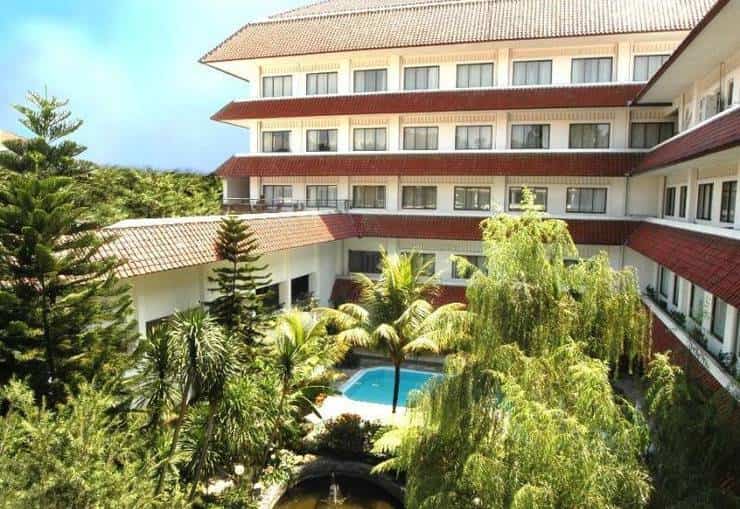
Nestled within the cool, mountainous enclave of Bogor, West Java, stands Hotel Salak The Heritage, an architectural and historical testament to Indonesia’s complex colonial past. Located at Jalan Ir. H. Juanda Nomor 8, this four-star accommodation seamlessly bridges the gap between historical preservation and modern hospitality. Surrounded by the refreshing panorama of the Bogor mountains, the hotel occupies a uniquely strategic location that places guests within walking distance of some of the city’s most renowned landmarks and natural attractions, including the Mount Halimun Salak National Park, the official Bogor Presidential Palace, the Museum Zoologi, and the sprawling expanse of the Bogor Botanical Gardens.
While modern travelers frequent the establishment for its luxurious amenities and serene ambiance, the property’s true allure lies in its centuries-old narrative. Operating as a luxury retreat today, the hotel’s physical structure and historical footprint echo the turbulent epochs of Dutch colonialism, Japanese military occupation, and Indonesia’s subsequent journey toward independence.
A Colonial Genesis: The 19th Century Origins
The chronicle of Hotel Salak The Heritage dates back to 1856, during the height of the Dutch East India Company’s (VOC) administrative consolidation and the subsequent governance of the Dutch East Indies. Originally established under the name Bellevue-Dibbets Hotel, the property was owned by the family of Charles Ferdinand Pahud, who served as the Governor-General of the Dutch East Indies from 1856 to 1861.
During this foundational era, the hotel was not conceptualized for leisure tourism in the modern sense. Instead, it served as an exclusive, high-end accommodation and social hub for high-ranking VOC officials, colonial administrators, and European aristocrats who traveled from the sweltering heat of Batavia (now Jakarta) to the cooler climate of Buitenzorg—the colonial name for Bogor. The town served as the administrative capital of the Dutch East Indies administration during certain periods, making a luxurious lodging facility near the Governor-General’s residence an absolute necessity for the colonial elite.
The architecture reflected the prevailing European tastes adapted to the tropical Indies climate, featuring high ceilings, sprawling verandas, thick masonry walls, and large windows designed to maximize airflow. This distinct architectural identity has been meticulously preserved, allowing contemporary visitors to step into a living museum that mirrors 19th-century European craftsmanship merged with local building traditions.
Wartime Transitions: The Japanese Occupation
As global geopolitics shifted dramatically in the first half of the 20th century, the fate of the Bellevue-Dibbets Hotel mirrored the geopolitical upheavals of the Indonesian archipelago. With the outbreak of the Pacific Theater during World War II, the Japanese Imperial Army invaded the Dutch East Indies in 1942, displacing the European colonial administration.
During the Japanese occupation, civilian operations at the hotel were abruptly halted. The luxury colonial retreat was requisitioned by the military authorities of the Empire of Japan, repurposed as a strategic military headquarters and administrative outpost. While historical records detailing the precise military operations conducted from the hotel remain sparse, the structure’s proximity to the Bogor Palace—which also served as a focal point for Japanese military administration—made it an ideal command center.
The physical structure endured the trials of wartime rationing and strategic redeployment. When World War II concluded with the surrender of Japan in August 1945 and the subsequent Proclamation of Indonesian Independence on August 17, 1945, the property transitioned into a new era alongside the newly born Republic of Indonesia.
Post-Independence Evolution and Modernization
Following Indonesia’s formal recognition of sovereignty, foreign-owned assets and colonial-era properties underwent significant transitions in ownership and operational management. The Bellevue-Dibbets Hotel was nationalized and subsequently renamed Hotel Salak, a moniker that paid homage to the majestic Mount Salak towering over the region.
Over the decades, the property underwent various phases of renovation, expansion, and rebranding to meet the evolving demands of Indonesia’s domestic and international tourism sectors. Today, operating under the brand Hotel Salak The Heritage, the establishment functions as a comprehensive four-star accommodation boasting 140 meticulously designed rooms and 16 versatile meeting rooms. Despite undergoing numerous structural updates to incorporate modern plumbing, electrical grids, and telecommunications infrastructure, current management has prioritized the retention of the property’s distinct Dutch colonial facade and interior motifs.
The integration of historic preservation with contemporary hospitality standards has positioned the hotel as a preferred destination for both leisure staycationers and corporate MICE (Meetings, Incentives, Conferences, and Exhibitions) organizers seeking an environment steeped in historical gravitas.
Comprehensive Facilities and Hospitality Standards
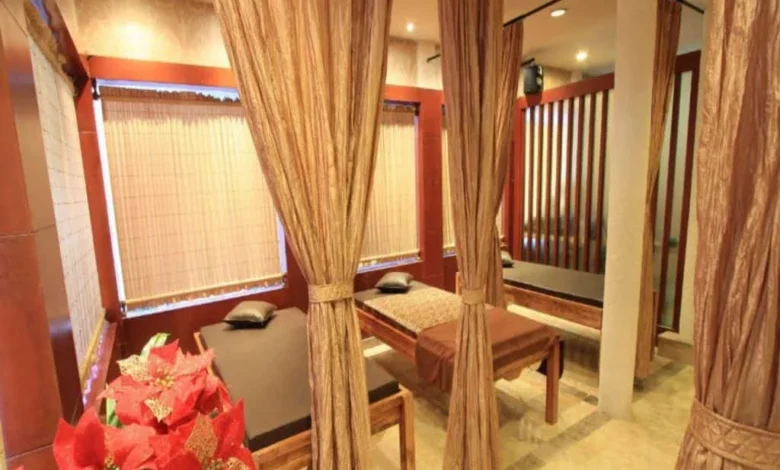
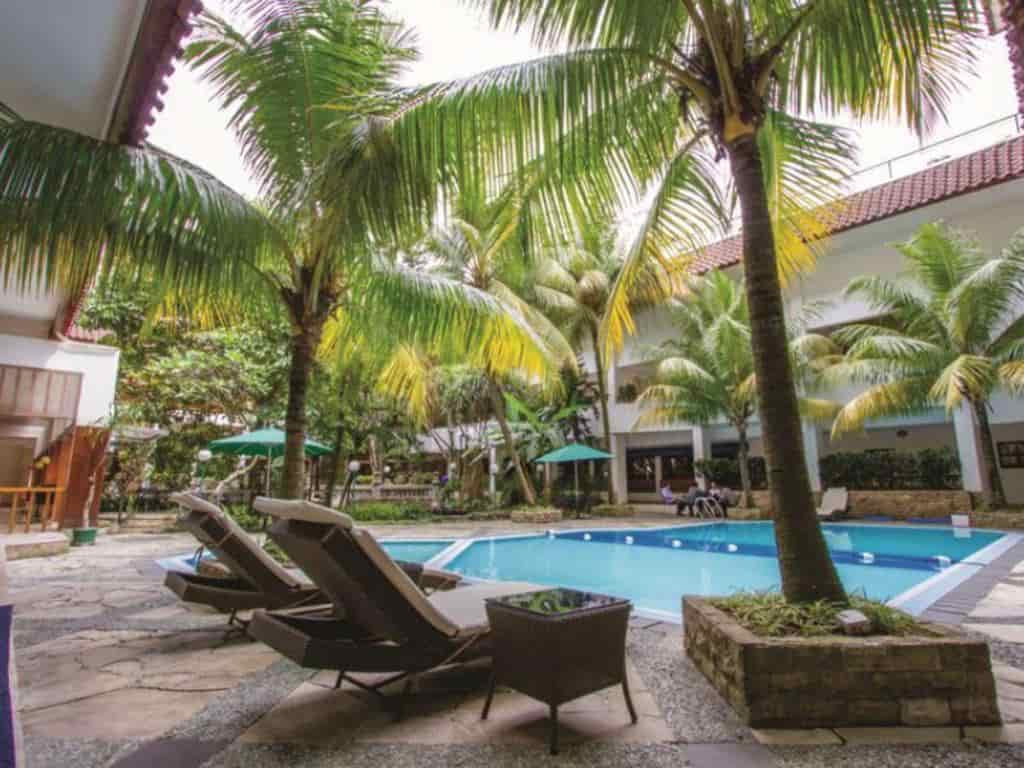
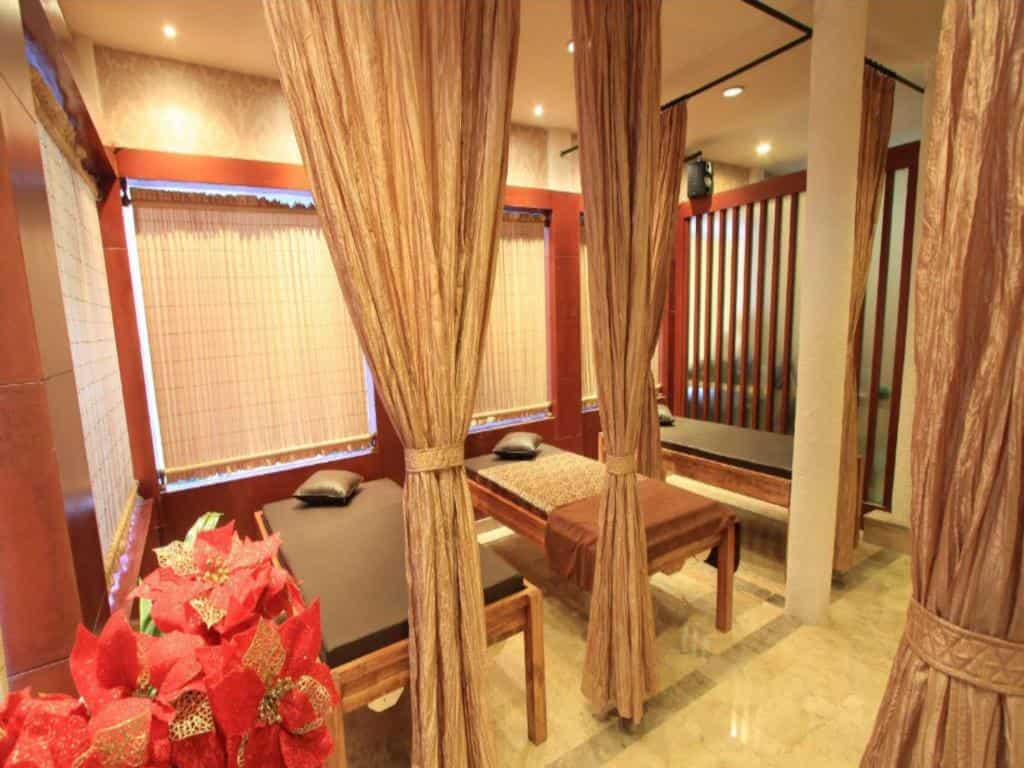
Hotel Salak The Heritage caters to a diverse clientele by combining its historical ambiance with an extensive array of modern recreational and business amenities. For guests seeking wellness and relaxation, the property features a fully equipped fitness center, a professional spa offering traditional Indonesian treatments, an outdoor swimming pool, and a quiet reading library. Entertainment options include karaoke facilities and billiard rooms, ensuring that guests of all demographics find suitable leisure activities within the premises.
Culinary needs are addressed through multiple dining venues, including a primary restaurant serving a blend of Indonesian and international cuisine, a sophisticated bar, and a dedicated coffee shop designed to showcase local Javanese and Sundanese coffee blends. To accommodate regional and international travelers, the hotel provides auxiliary services such as 24-hour front desk operations, high-speed Wi-Fi connectivity across all public and private spaces, and airport shuttle services available upon request for a nominal fee.
Room rates at the heritage property generally begin around Rp 500,000 per night, varying according to seasonal demand, room tier, and promotional platforms such as Agoda, making high-end heritage lodging accessible to a broad segment of travelers.
International Acclaim and Diplomatic Significance
Beyond its structural longevity and recreational offerings, Hotel Salak The Heritage has cemented its reputation through elite diplomatic service. Over its long operational history, the hotel has hosted numerous dignitaries, foreign diplomats, and heads of state.
Its crowning international achievement occurred in 2006, when the hotel received an official Certificate of Appreciation from the White House Communications Agency. This prestigious accolade was awarded in recognition of the exceptional operational security, hospitality, and logistical support provided by the hotel staff during the official state visit of United States President George W. Bush to Indonesia. President Bush’s brief summit with then-Indonesian President Susilo Bambang Yudhoyono took place in Bogor, rendering Hotel Salak a critical operational hub for the visiting international delegation and security details. This international validation underscored the property’s capacity to meet rigorous global standards of security and service excellence.
Implications for Heritage Tourism in Bogor
The enduring presence of Hotel Salak The Heritage highlights a broader trend within Indonesia’s tourism economy: the growing consumer preference for heritage tourism and experiential lodging. As modern urban centers increasingly lean toward homogenous, glass-and-steel skyscraper hotels, properties that retain authentic historical narratives offer a distinct competitive advantage.
Urban planners and tourism analysts note that adaptive reuse—the process of reusing an existing historic building for a modern purpose—plays a vital role in urban conservation. By maintaining the architectural integrity of the Dutch colonial era while generating sustainable economic revenue through hospitality, Hotel Salak serves as a case study for balancing heritage preservation with commercial viability in historic cities like Bogor.
As Bogor continues to develop as a weekend sanctuary for Jakarta’s urban population, institutions like Hotel Salak The Heritage ensure that the city’s rich multi-layered history—from the colonial plantation era to the republic’s modern diplomatic milestones—remains visible, accessible, and continuously experienced by future generations.
Related posts: