The Rise of Travel as a Modern Lifestyle: Why Millennials and Generation Z Prioritize Experiential Investment Over Traditional Assets


In recent years, a profound cultural shift has taken place regarding how younger demographics view personal finance, success, and lifestyle fulfillment. Rather than prioritizing traditional financial milestones—such as accumulating capital for residential real estate, purchasing automobiles, or securing long-term domestic assets early in adulthood—Millennials and Generation Z are increasingly channeling their disposable income into travel. This emergent phenomenon, commonly referred to as "lifestyle travel," reflects a broader societal transition from material accumulation to experiential investment. Industry observers note that this trend is not merely a temporary phase of youthful escapism, but a fundamental realignment of values driven by technological connectivity, changing workplace paradigms, and a psychological preference for memories over material possessions.
Background and Context of the Experiential Economy
To understand the rise of lifestyle travel, one must examine the socioeconomic backdrop against which today’s young adults operate. Unlike previous generations who grew up in environments where homeownership and stable, long-term corporate employment were the primary indicators of adulthood, contemporary youth navigate a different economic reality. High housing costs in urban centers, shifting labor markets characterized by the gig economy and remote work, and the pervasive influence of digital media have collectively transformed perceptions of security and success.
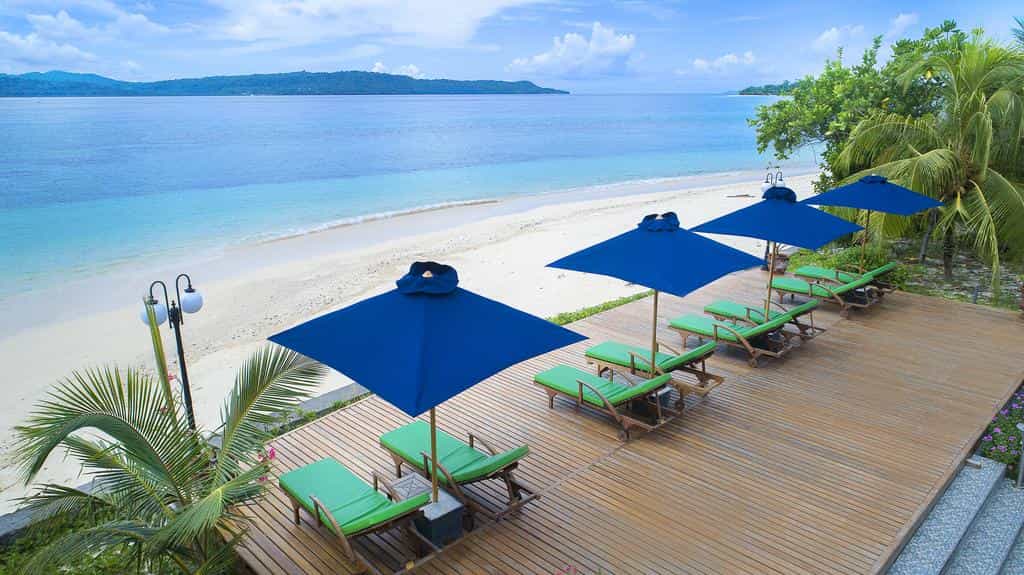
Concurrently, the rapid proliferation of social media platforms and affordable global connectivity has democratized access to information about remote destinations. Spotting high-definition imagery and vlogs of rugged mountain ranges, pristine beaches, and hidden cultural enclaves is now a daily occurrence for millions of internet users. This constant exposure acts as a powerful catalyst, igniting an intrinsic desire among the youth to explore geographical boundaries. Furthermore, psychological research consistently indicates that experiential purchases—those involving life events, travel, and skill acquisition—yield higher long-term subjective well-being compared to material goods, whose psychological value tends to depreciate rapidly through habituation.
Chronology of a Paradigm Shift: From Occasional Vacation to Continuous Lifestyle
The evolution of tourism from a seasonal luxury to a continuous lifestyle choice did not happen overnight. The transition can be observed across distinct phases over the past two decades.
In the early 2000s, leisure travel was predominantly structured around annual leave allocations, rigid itineraries, and package tours organized by traditional agencies. Vacations were viewed as brief interruptions from the status quo of everyday life.
By the early 2010s, the advent of budget airlines, decentralized accommodation platforms like Airbnb, and user-generated travel blogs drastically lowered the financial and logistical barriers to international mobility. Young professionals began undertaking longer, independent backpacking excursions, signaling the early stages of nomadic exploration.
By the arrival of the 2020s, global disruptions such as the COVID-19 pandemic temporarily halted international movement, yet paradoxically accelerated the conceptual shift toward lifestyle travel. Lockdowns and remote work mandates forced a widespread reassessment of work-life balance. When restrictions lifted, a massive surge in revenge travel and a permanent normalization of remote work enabled a new class of digital nomads and lifestyle travelers to integrate exploration directly into their daily routines. Today, travel is no longer viewed merely as an escape from work, but as a viable, parallel context for living, working, and personal growth.
Supporting Data and Demographic Insights
Statistical data from various tourism boards and consumer research firms substantiate this generational pivot. According to recent market studies focusing on consumer spending habits, over 70 percent of Millennials and Gen Z respondents state they would rather allocate discretionary funds toward travel and experiences than purchase luxury goods or high-end vehicles.
Additionally, corporate travel and remote work surveys indicate that the number of digital nomads globally has surged into the tens of millions, with a significant majority originating from North America, Europe, and urban centers across Asia. Economic analyses of the tourism sector reveal that younger demographics are staying longer at destinations, spending more on local cultural immersion, and increasingly favoring alternative, community-based lodging over standardized hotel chains. These quantitative indicators highlight a structural shift in global consumer demand, forcing the hospitality and aviation industries to adapt their service models to accommodate flexible, long-term travelers.
Official Responses and Industry Adaptation

In response to the growing dominance of lifestyle travel, governments, tourism boards, and corporate entities have begun rolling out specialized policies and infrastructure. Several nations have introduced dedicated "digital nomad visas," allowing remote workers to legally reside and work within their borders for extended periods without requiring traditional employment sponsorships. Countries across Europe, Latin America, Southeast Asia, and the Caribbean have streamlined bureaucratic processes to capture this lucrative demographic of mobile professionals who contribute to local economies without displacing domestic job markets.
Furthermore, traditional hospitality brands are restructuring their properties to cater to lifestyle travelers. The demand for co-living spaces, high-speed digital infrastructure, community-driven events, and flexible lease terms has skyrocketed. Tourism boards are shifting their marketing campaigns away from generic sightseeing promotions toward initiatives that emphasize slow travel, environmental sustainability, and deep cultural integration. These institutional adjustments demonstrate that the tourism sector recognizes lifestyle travel not as a passing fad, but as a permanent segment of the modern global economy.
Economic, Psychological, and Social Implications
The widespread adoption of lifestyle travel carries profound implications for both the individual and society at large. On a psychological level, immersion in unfamiliar environments compels individuals to confront novel challenges, thereby fostering resilience, cross-cultural empathy, and advanced problem-solving skills. Navigating language barriers, adjusting to differing social norms, and managing unexpected logistical hurdles outside one’s comfort zone cultivate a high degree of adaptability—traits that are increasingly valued in the modern globalized workforce.
Economically, the influx of lifestyle travelers redirects wealth away from centralized corporate conglomerates toward grassroots, local economies. By patronizing local markets, family-run guesthouses, and independent transport providers, travelers directly support regional development. However, this trend also presents certain challenges, such as the risk of over-tourism, environmental degradation in fragile ecosystems, and rising housing costs in popular destination hotspots. Consequently, discussions surrounding sustainable tourism and responsible travel ethics have gained critical urgency among travelers and policymakers alike.
Practical Framework for Embracing Lifestyle Travel
For individuals seeking to transition into a lifestyle travel model, industry experts and seasoned travelers recommend a pragmatic framework grounded in preparation, mental flexibility, and continuous learning.

The first critical step involves cultivating psychological readiness. Rather than waiting for a utopian financial milestone—which can often lead to perpetual procrastination—prospective travelers are advised to assess their current resources, establish a realistic budget, and build the confidence necessary to manage life on the road. The emphasis shifts from absolute financial security to resourcefulness and adaptive survival skills.
The second component requires embracing spontaneity and letting go of rigid, minute-by-minute itineraries. While foundational planning is necessary for safety and basic logistics, over-planning can restrict opportunities for authentic discovery. Adopting a flexible mindset allows travelers to respond to local recommendations, unexpected cultural events, and impromptu community interactions that often yield the most memorable experiences.
Finally, mastering cross-cultural adaptability remains paramount. Successful lifestyle travel relies on an individual’s capacity to respect and assimilate into diverse social landscapes. Whether navigating regional transportation networks, tasting local cuisine, or learning basic phrases in a foreign tongue, the ability to harmonize with local environments ensures a safer, more enriching, and mutually respectful journey.
Broader Outlook on the Future of Mobility
As global connectivity continues to evolve and workplace flexibility expands, the trajectory of lifestyle travel points toward sustained growth. The traditional life script—defined by linear progression through fixed educational, professional, and domestic milestones—is continuously being rewritten by generations that value autonomy, experiential richness, and global citizenship. By prioritizing investments in personal growth and worldly exposure over static material accumulation, modern travelers are redefining what it means to lead a fulfilling life. Ultimately, lifestyle travel serves as a powerful vehicle for self-discovery, bridging cultural divides, and fostering a more interconnected, empathetic global community.
Related posts: