Transitioning Toddlers from Purees to Family Foods: Comprehensive Nutrition Guidelines for One-Year-Olds

The transition from smooth purees and mashed foods to the diverse textures of family meals marks a critical milestone in early childhood development. When infants reach the age of one, their nutritional requirements evolve rapidly alongside their motor skills and digestive capabilities. Pediatric nutrition experts and international health organizations emphasize that this transitional phase requires careful attention to food variety, texture modification, and nutrient density to support a toddler’s accelerated growth trajectory.

During the first year of life, children typically double their birth weight and experience significant cognitive and physical advancements. While breast milk or infant formula continues to provide essential immunological protection and supplementary nutrition according to guidelines set by the World Health Organization and UNICEF, solid foods gradually assume the primary role in supplying daily energy and micronutrients. Parents and caregivers navigating this stage must balance the introduction of adult table foods with strict adherence to safety protocols regarding choking hazards and digestive tolerances.
Developmental Readiness and Texture Progression
Introducing a wider array of textures helps toddlers develop oral-motor skills necessary for chewing and swallowing complex foods. Pediatric dietitians recommend moving beyond homogeneously blended purees toward soft, manageable solids, often referred to as finger foods, which encourage self-feeding and autonomy.

The introduction of varied textures should mirror the basic food groups consumed by the rest of the household, encompassing vegetables, fruits, whole grains, dairy, and high-quality protein sources. To mitigate food refusal—a common behavioral hurdle during toddlerhood—experts suggest the "rainbow plate" approach, which utilizes brightly colored, visually appealing produce. Research in pediatric behavioral psychology indicates that children are more receptive to foods that offer vibrant visual stimulation and diverse flavor profiles. For instance, transforming unappealing boiled vegetables into roasted alternatives enhances natural sugars through caramelization, thereby increasing palatability.
Safety remains paramount when modifying food sizes for one-year-olds. Foods with spherical shapes, such as whole grapes, cherry tomatoes, and blueberries, present significant choking risks and must be quartered or sliced longitudinally. Similarly, hard raw vegetables and dense sticky substances require thorough cooking or specific preparation methods to ensure safe consumption.

Essential Nutrients and Recommended Food Groups
A well-balanced diet for a one-year-old must incorporate specific macronutrients and micronutrients to foster optimal neurological and skeletal development.
Protein sources such as poultry supply essential amino acids and vitamin B6, which facilitate cellular energy production. Studies published in nutritional science journals indicate that incorporating lean poultry into a balanced pediatric diet supports healthy growth patterns without excess saturated fat intake. Similarly, iron-fortified cereals and grain products, including corn-based foods, play a vital role in preventing nutritional deficiencies such as iron-deficiency anemia, which remains a prevalent concern in early childhood.

Other foundational components of the toddler diet include:
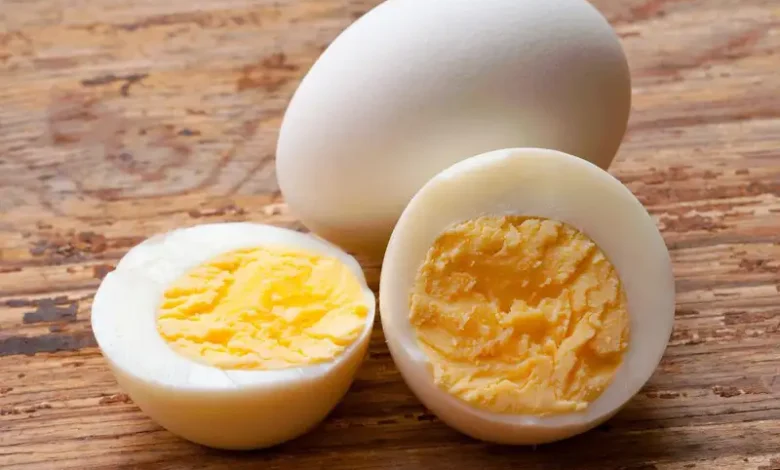
- Eggs: Rich in choline within the yolk, eggs support cognitive development and neurological function, while providing high biological value protein and crucial fat-soluble vitamins (A, D, E, and B12).
- Dairy Products: Full-fat yogurt and pasteurized cheeses supply calcium, phosphorus, and probiotics that fortify gastrointestinal health and skeletal mineralization. Pediatric guidelines caution against low-fat dairy for children under the age of two, as adequate dietary fats are necessary for brain myelination and overall neurological maturation.
- Complex Carbohydrates: Sweet potatoes, squash, whole grains, and pasta supply sustained energy release through complex starches, accompanied by dietary fiber that promotes regular gastrointestinal motility.
- Healthy Fats: Avocados and fish, particularly varieties rich in omega-3 fatty acids like salmon, contribute to visual acuity and cognitive processing capabilities.
Foods and Ingredients to Strictly Avoid
While expanding a toddler’s palate is encouraged, pediatric safety standards dictate the exclusion of specific items that pose severe health risks, including choking hazards, toxic contamination, or digestive distress.

Raw vegetables and hard, crunchy items like popcorn or whole nuts should be entirely avoided due to the high probability of airway obstruction. Processed foods, including canned fruits preserved in heavy syrups, introduce excessive refined sugars and chemical preservatives that strain an infant’s developing renal system and contribute to early dental caries. Furthermore, commercially canned goods carry a baseline risk of bacterial contamination, notably Clostridium botulinum.
Other items restricted from the one-year-old diet include chocolate, which contains caffeine and theobromine capable of overstimulating a toddler’s central nervous system, and low-fat milk variants that fail to meet high caloric and lipid demands. Chewing gum and round, firm fruits served without proper modification are also categorized as high-risk hazards that must be withheld.

Practical Implementation of Daily Meal Structures
Establishing a structured daily meal routine helps stabilize a toddler’s energy levels and encourages healthy eating habits that persist into later childhood. Nutritionists recommend dividing daily intake across three balanced meals and two nutrient-dense snacks, aiming for an approximate daily caloric target of 1,000 calories tailored to individual growth charts and activity levels.
Breakfast routines can feature iron-fortified whole-grain cereals accompanied by soft fruit pieces or scrambled eggs. Mid-morning and afternoon snacks often consist of whole-grain toast with thin spreads of nut butter, yogurt bowls blended with mashed berries, or steamed vegetable sticks cut into safe, manageable sizes. Lunch and dinner integrations should combine protein sources like shredded chicken, fish, or lean red meat with well-cooked starches such as pasta, brown rice, or mashed sweet potatoes, seasoned naturally with mild herbs or aromatic vegetables rather than added sodium.

By adhering to these evidence-based nutritional frameworks, caregivers can successfully navigate the transition from infancy to toddlerhood, establishing a foundation of lifelong dietary health and developmental resilience.
Related posts: