Transforming Mobility: Why Compact SUVs Are Becoming the Preferred Choice for Modern Families in Pati

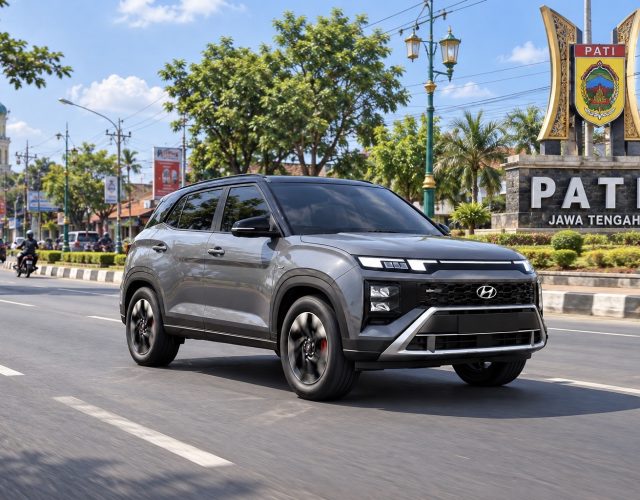
The automotive landscape in Pati, a regency located along the northern coast of Central Java, is undergoing a significant transformation. Historically dominated by multipurpose vehicles (MPVs) and traditional sedans, the region’s local car market is witnessing a strategic shift toward compact sport utility vehicles (SUVs). This change in consumer behavior is largely driven by the diverse topographical requirements of the area, ranging from the seamless connectivity of the Trans-Java Toll Road to the challenging, unpaved rural routes that snake through the regency’s expansive agricultural heartlands. As family dynamics evolve and the need for versatile transportation grows, vehicles like the Hyundai New Creta have emerged as the primary solution for young families seeking a balance between rugged capability and urban sophistication.
The Changing Topography of Pati and Automotive Demand
Pati presents a unique set of challenges for vehicle owners. The regency serves as a transit hub for northern Central Java, necessitating vehicles that can handle high-speed cruising on arterial roads while maintaining durability on secondary paths that serve village clusters. According to regional infrastructure data, while major highways have seen significant upgrades, the "last mile" connectivity in rural sub-districts remains characterized by uneven surfaces, seasonal flooding, and narrow access points.
For decades, the MPV was the default choice for the Indonesian family due to its capacity for carrying passengers. However, the rise of the compact SUV segment has provided a compelling alternative. These vehicles offer a higher ground clearance—an essential feature for traversing rural terrain—without sacrificing the fuel efficiency and agile handling typically associated with smaller sedans. This trend is not merely anecdotal; it reflects a broader national movement where SUV sales have steadily captured a larger share of the total automotive market, signaling a departure from strictly utilitarian needs toward a demand for lifestyle-oriented features.
Engineering Capability: Navigating Rural and Urban Landscapes
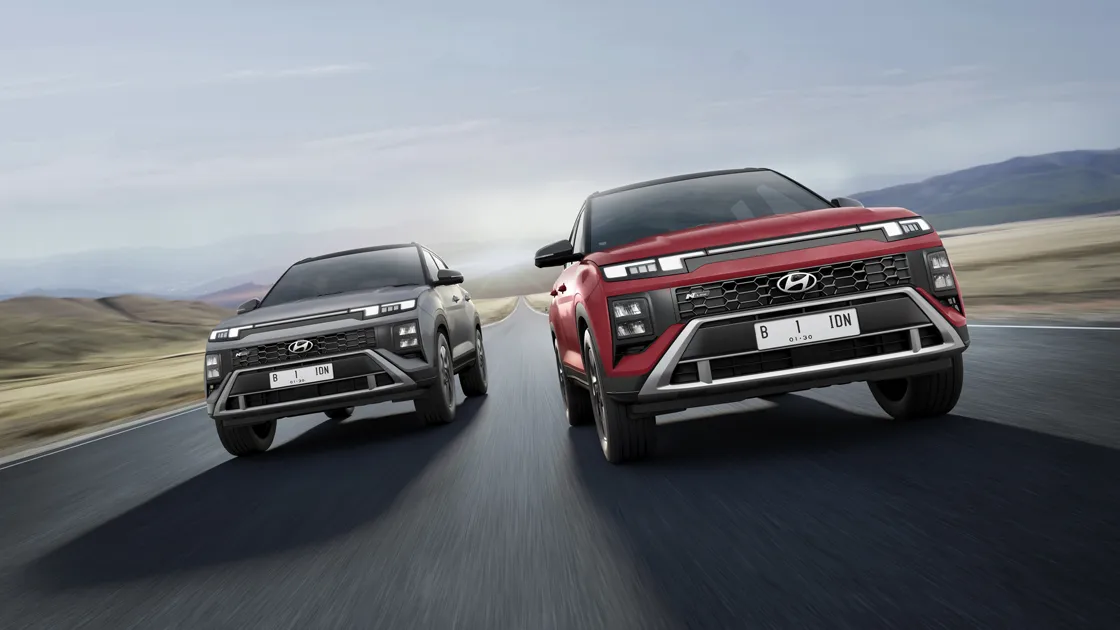
The technical specifications of modern compact SUVs are directly addressing the geographical hurdles of the Pati region. A critical factor for local residents is ground clearance. In many parts of rural Pati, particularly during the rainy season, low-slung vehicles often struggle with flooded roads or degraded asphalt paths leading to rice fields. The New Creta, for instance, provides the necessary clearance to mitigate risks of undercarriage damage, a primary concern for residents living outside the city center.
Furthermore, the integration of advanced powertrains has bridged the gap between town and country. The Smartstream G1.5 MPi engine, which delivers approximately 115 PS, provides sufficient torque for navigating undulating rural roads while remaining efficient during long-distance travel on the Trans-Java Toll Road. The adoption of Intelligent Variable Transmission (IVT) technology has also been a game-changer. By optimizing gear ratios, these systems reduce engine strain during extended cruising at highway speeds, which is a frequent requirement for families commuting between Pati and industrial hubs like Semarang or Surabaya.
Chronology of the Shift: From Utility to Versatility
The shift toward compact SUVs in secondary cities like Pati did not happen overnight. It is the result of a multi-year convergence of infrastructure development and shifting economic profiles.
- 2019-2020: The completion of major sections of the Trans-Java Toll Road significantly shortened travel times between Central Java and the rest of the island, encouraging families to invest in vehicles capable of sustained high-speed performance.
- 2021-2022: As global automotive manufacturers shifted their production focus toward the SUV segment, the price gap between entry-level SUVs and traditional MPVs began to narrow. This made premium features—such as enhanced safety suites and connected car technologies—accessible to a wider demographic.
- 2023-Present: The post-pandemic recovery has seen a rise in domestic tourism and "back-to-the-village" mobility, where families prioritize vehicles that offer a blend of comfort for long trips and robustness for local excursions.
This chronology illustrates that the consumer in Pati is becoming increasingly discerning, prioritizing long-term value and multi-terrain capability over simple passenger capacity.
Economic Implications and Ownership Value
For a family in a regency like Pati, the total cost of ownership is a decisive factor in any major purchase. The automotive industry has responded by expanding service networks and offering long-term maintenance guarantees. Hyundai, for example, has aggressively expanded its dealer network in Central Java to ensure that owners of newer, technologically advanced vehicles are not stranded due to a lack of technical support.
Financial analysts note that the resale value of vehicles has become a critical metric for Indonesian consumers. Programs that guarantee future resale value, alongside the reliability of naturally aspirated engines which are generally easier and cheaper to maintain in remote areas, have bolstered the market position of compact SUVs. When the initial capital expenditure, ranging from approximately Rp307 million to Rp521 million, is amortized over a standard five-to-seven-year ownership cycle, the compact SUV presents a financially sustainable profile for the modern middle-class family.
Social Dynamics: Design as Identity
Beyond the practical, there is an undeniable social component to this market shift. The aesthetic of the compact SUV, characterized by bold lines, aggressive front grilles, and a more "futuristic" profile, resonates strongly with a younger generation of parents. In a culture where the vehicle is often viewed as a reflection of one’s professional and social standing, the transition from a traditional boxy MPV to a sleek, sporty SUV is a statement of personal identity.
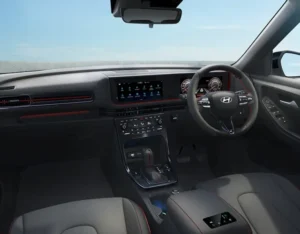
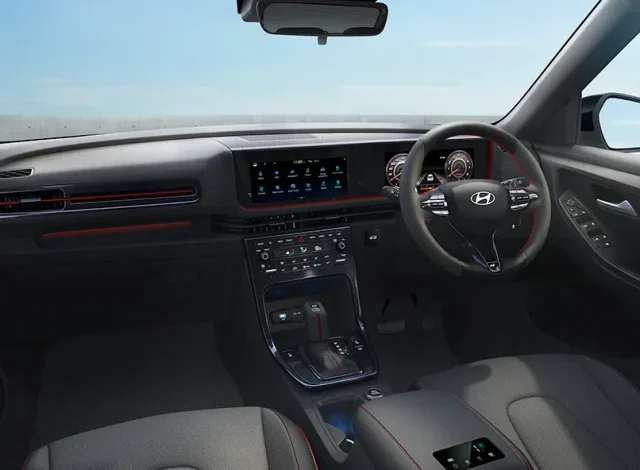
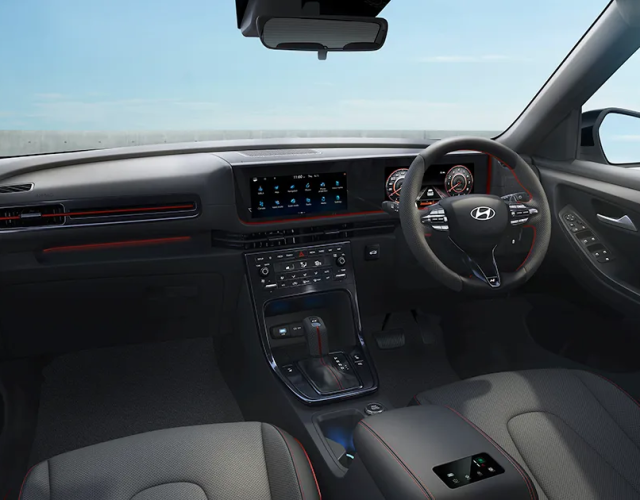
The introduction of specialized trims, such as the N Line, caters to this demographic shift. These variants offer distinct styling cues—such as unique wheel designs and interior upholstery—that appeal to those who view their vehicle as an extension of their lifestyle. This aesthetic preference, combined with the practical benefits of the vehicle, creates a "best-of-both-worlds" scenario that traditional car segments struggle to replicate.
Broader Impact on Regional Automotive Markets
The popularity of the compact SUV in Pati is a microcosm of a national trend that is forcing a re-evaluation of automotive strategies. Manufacturers are increasingly realizing that they cannot apply a "one-size-fits-all" approach to the Indonesian market. The specific needs of coastal regencies, which combine urban traffic with significant rural connectivity, require a specialized product mix.
Market experts suggest that the continued growth of this segment will likely lead to further localization of features. We may see more emphasis on suspension tuning optimized for local road conditions, as well as digital services tailored to regional connectivity. Furthermore, the success of the compact SUV could influence infrastructure development policies, as local governments observe the types of vehicles most commonly used by their constituents.
Conclusion: The Future of Family Mobility
The transition in Pati from traditional vehicles to compact SUVs is a testament to how infrastructure and economic development can reshape consumer choices. By providing a platform that handles the rigors of rural paths while offering the comfort of an executive sedan for toll road travel, the compact SUV has cemented its role as the definitive family vehicle for the modern era.
As families continue to seek vehicles that offer safety, reliability, and a modern aesthetic, the industry must remain responsive to these evolving needs. The success of models like the New Creta serves as a benchmark for future automotive design, emphasizing that in a rapidly developing region, the most successful vehicle is one that remains versatile enough to meet the demands of both the present and the future. For those currently navigating the market, the decision to pivot toward an SUV is not merely a purchase—it is a strategic investment in a lifestyle that values both the resilience to explore the countryside and the comfort to navigate the urban sprawl with ease.