Turning Wanderlust Into Profit: Exploring Viable Business Models for Travel Enthusiasts

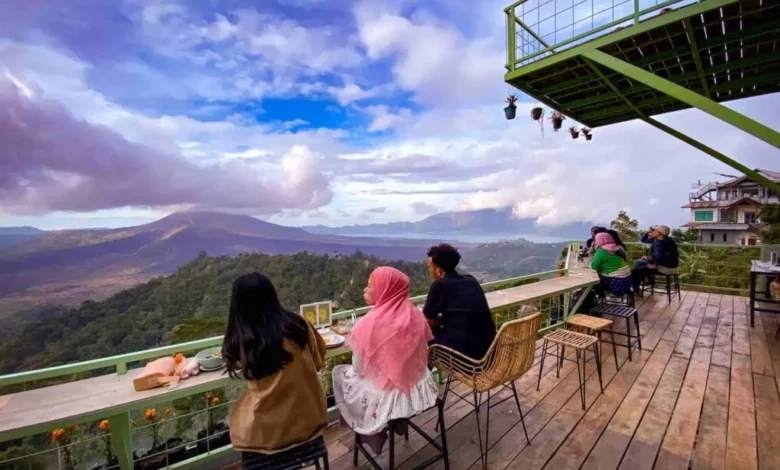
The global tourism and travel sector has experienced a profound evolution over the past decade, shifting from traditional agency-dominated structures to an ecosystem defined by experiential, personalized, and independent journeys. As international borders fully reopened and domestic tourism surged following years of pandemic-related restrictions, consumer demand for unique travel experiences reached unprecedented heights. This resurgence has created an economic opening for individuals who possess a deep-seated passion for travel and wish to monetize their hobby. Transforming personal wanderlust into a sustainable commercial enterprise is no longer a distant dream but a practical career pivot for entrepreneurs willing to navigate the complexities of the modern service economy.
Recent economic data underscores the vitality of this sector. According to reports from the World Travel & Tourism Council (WTTC), the global tourism industry has rebounded significantly, contributing trillions of dollars to the global gross domestic product and generating millions of jobs worldwide. Within this expanding market, niche sectors such as specialized tour operations, localized transport rentals, and bespoke guiding services are growing at rates that outpace traditional mass tourism. Consumers increasingly reject cookie-cutter vacation packages in favor of authentic, locally curated adventures. For travel enthusiasts, this consumer shift represents a golden opportunity to build businesses grounded in firsthand knowledge, personal authenticity, and industry passion.
Establishing a business in the travel sector requires aligning one’s personal strengths with market demands. Whether pursued as a supplementary income stream to weather economic uncertainties or scaled into a primary livelihood, several business models stand out for their accessibility, scalability, and alignment with the modern traveler’s preferences.
The Vehicle Rental Sector: Capitalizing on the Demand for Independent Mobility
One of the most reliable and high-potential entry points for travel entrepreneurs is the vehicle rental business. Modern travelers increasingly prioritize flexibility and autonomy, often eschewing rigid public transportation schedules in favor of exploring destinations at their own pace. This trend has triggered a steady demand for both four-wheeled and two-wheeled rental options, ranging from rugged motorcycles suited for winding coastal roads to fuel-efficient city cars and spacious family SUVs.

For entrepreneurs who already own a private vehicle, utilizing it as a rental asset during idle periods offers an immediate pathway to revenue generation. However, individuals lacking a personal fleet can still enter the market by establishing partnerships with established regional rental hubs. By acting as a localized booking agent or affiliate, aspiring business owners can connect tourists with available inventory, earning commission-based revenue while minimizing the high capital expenditures traditionally associated with fleet acquisition.
Market analysis suggests that localized vehicle rental services thrive particularly well in emerging tourist hotspots and suburban areas adjacent to major transport hubs where large commercial rental agencies maintain a limited presence. By offering personalized customer service, transparent pricing, and flexible pickup arrangements, independent operators can carve out a lucrative niche that appeals to budget-conscious and independent-minded travelers alike.
Curating Specialized Tour Packages: Meeting the Demand for Experiential Travel
Beyond transportation, the appetite for carefully curated travel itineraries has never been stronger. The traditional model of general sightseeing tours has given way to specialized private trips, eco-tours, culinary expeditions, and adventure-based itineraries. Entrepreneurs looking to establish a tour packaging business must leverage their personal travel experiences and deep geographic knowledge to design unique, highly engaging itineraries.
The most successful tour packaging enterprises focus on emerging destinations—locations experiencing a surge in popularity among younger demographics, digital nomads, and experience-seeking families. These itineraries often highlight off-the-beaten-path attractions, local cultural immersion, and sustainable tourism practices. Crucially, contemporary travelers demand comprehensive logistical support, meaning that successful tour providers must secure partnerships with reliable accommodation providers, local culinary establishments, and safety-certified activity operators.
Industry experts emphasize that the differentiator for boutique tour operators is authenticity. Consumers are willing to pay a premium for itineraries crafted by individuals who have personally scouted the locations, tested the local amenities, and built genuine relationships with community stakeholders. This high-touch approach fosters strong word-of-mouth marketing and high customer retention rates, which are critical for long-term business viability.

Professional Tour Guiding: Bridging Cultures and Providing Local Insight
For individuals who excel in interpersonal communication and possess exhaustive knowledge of regional history, culture, and geography, operating as a professional tour guide remains a cornerstone business model in the travel industry. The role of a tour guide has evolved far beyond simply reciting historical dates; today’s guides act as cultural ambassadors, safety coordinators, and personal concierges for visitors navigating unfamiliar environments.
Language proficiency is a significant asset in this field. Guides fluent in multiple international languages can tap into the lucrative inbound tourism market, catering to foreign travelers seeking nuanced, localized interpretations of cultural landmarks. Conversely, domestic tourism also presents steady demand, particularly for educational tours, heritage walks, and adventure excursions tailored to urban dwellers looking for weekend escapes.
Regulatory compliance and formal certification have become increasingly important for tour guides operating in competitive markets. Industry associations and government tourism boards frequently offer credentialing programs that enhance professional credibility and reassure consumers of a guide’s competence in emergency response, first aid, and historical accuracy. Integrating these professional standards allows independent guides to command higher service fees and secure partnerships with larger travel agencies and corporate clients.
Economic Implications and Strategic Growth Considerations
The decision to commercialize a passion for travel carries significant economic implications for independent entrepreneurs. While the lifestyle appeal of combining work and leisure is undeniable, operating within the tourism sector demands rigorous financial discipline, risk management, and adaptability. Seasonal fluctuations in travel demand require business owners to maintain robust cash reserves and develop diversified service offerings that can generate revenue during off-peak periods.

Furthermore, the rapid digitalization of the travel industry necessitates a strong online presence. Modern consumers discover, evaluate, and book travel services almost exclusively through digital channels—ranging from social media platforms and travel blogs to dedicated booking engines and review sites. Entrepreneurs must invest time and resources into digital marketing, search engine optimization, and reputation management to ensure their services are visible to a global audience.
Industry stakeholders and economic analysts frequently advise new entrants to start small—testing market demand through side-hustle models before committing full-time capital and human resources. By carefully analyzing customer feedback, monitoring broader macroeconomic trends in consumer spending, and maintaining operational flexibility, travel entrepreneurs can build resilient businesses capable of weathering market volatility.
Ultimately, turning wanderlust into a thriving commercial enterprise bridges the gap between personal fulfillment and economic self-sufficiency. As the global travel landscape continues to expand and diversify, opportunities abound for creative, dedicated individuals ready to share the world through their unique perspective. Whether through vehicle rentals, curated itineraries, or professional guiding services, the journey from passionate traveler to successful business owner begins with strategic planning, a commitment to quality, and a profound respect for the traveler’s experience.