The World Cup 2026 Final: A Digital Spectacle Fuels Fan Rivalries Ahead of Spain vs. Argentina Clash

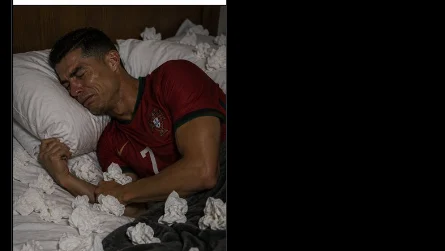
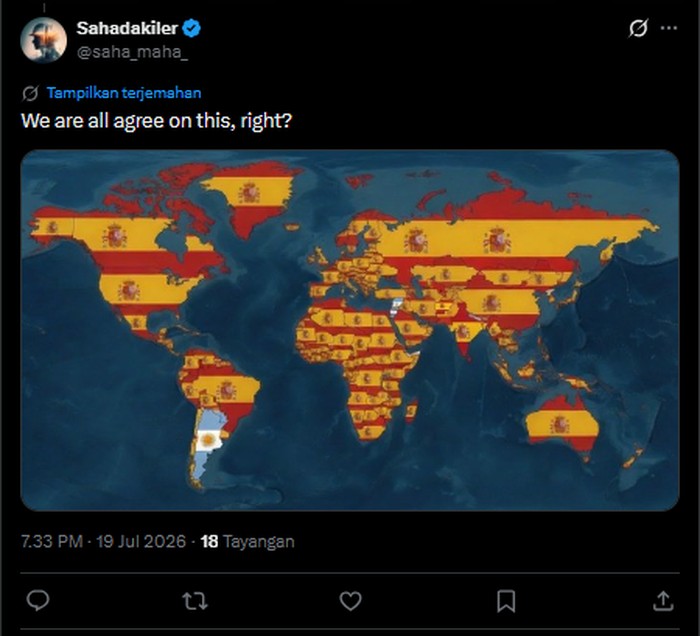
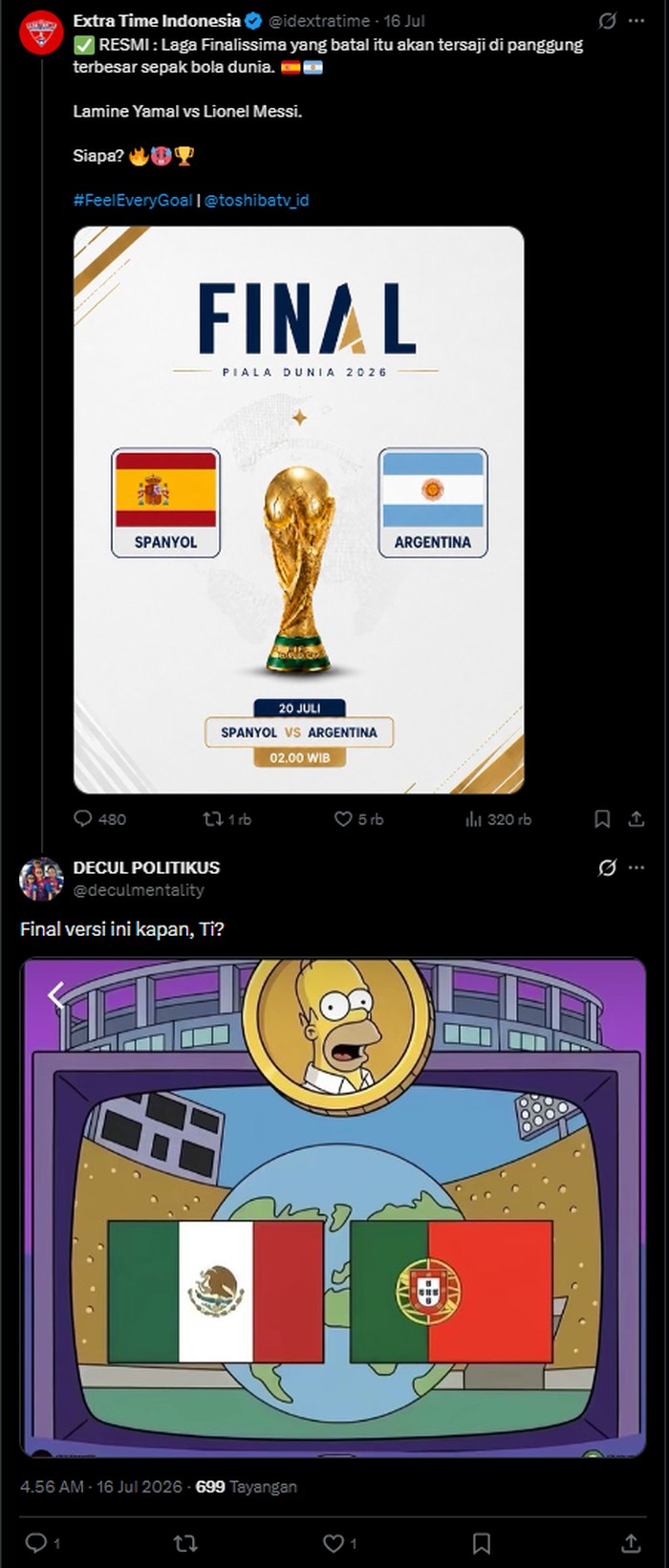
As the global football community eagerly anticipates the climax of the FIFA World Cup 2026, with a highly anticipated final showdown between Spain and Argentina, social media platforms have erupted with a wave of memes and online commentary. These digital creations, a vibrant reflection of the intense passion surrounding the tournament, have largely focused on lighthearted, yet pointed, jabs at the fan bases of football titans Cristiano Ronaldo and Real Madrid, whose teams did not reach the ultimate stage of the competition.
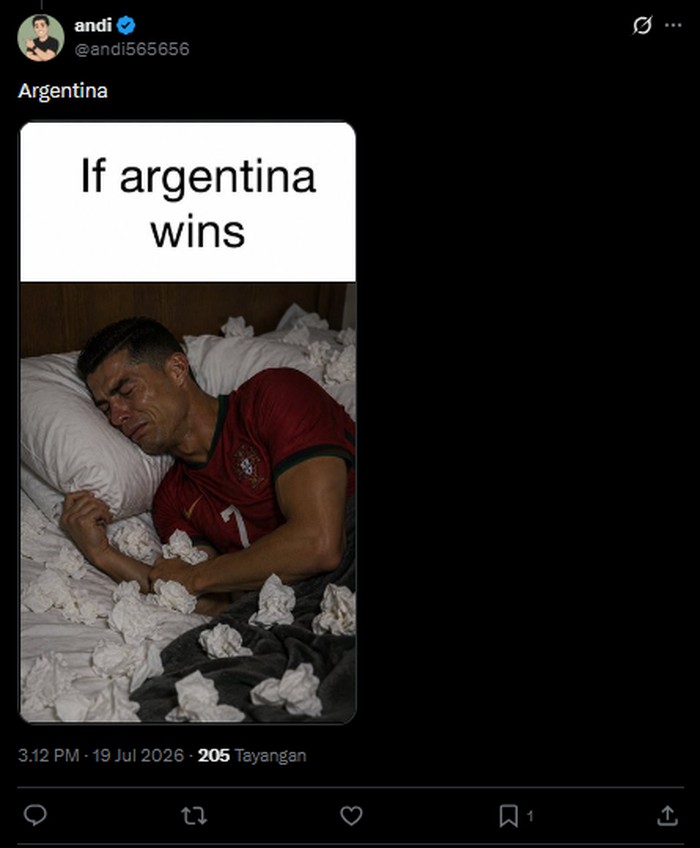
The surge in meme culture surrounding this final is not an isolated phenomenon. It’s a testament to the deeply ingrained rivalries and narratives that have been built over years of footballing excellence. The absence of nations or players with massive global followings often ignites creative and, at times, provocative online discourse. In this instance, the absence of Cristiano Ronaldo, a Portuguese icon who has enjoyed a stellar career, and Real Madrid, a club synonymous with European dominance, has provided fertile ground for memes that playfully highlight their perceived disappointment or the perceived shift in allegiances among their supporters.
The Rise of Digital Fan Culture in Modern Football
The 2026 World Cup final, more than any previous iteration, is being amplified and dissected through the lens of social media. Platforms like X (formerly Twitter), Instagram, and TikTok have become virtual stadiums where fans express their support, debate tactics, and, importantly, engage in the age-old tradition of banter. This final, pitting two footballing powerhouses with distinct styles and iconic figures, has naturally become a focal point for this digital expression.
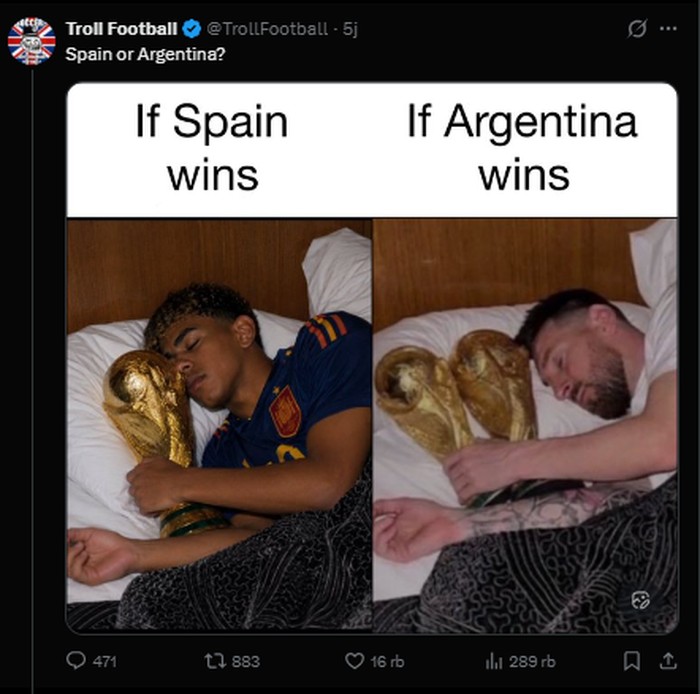
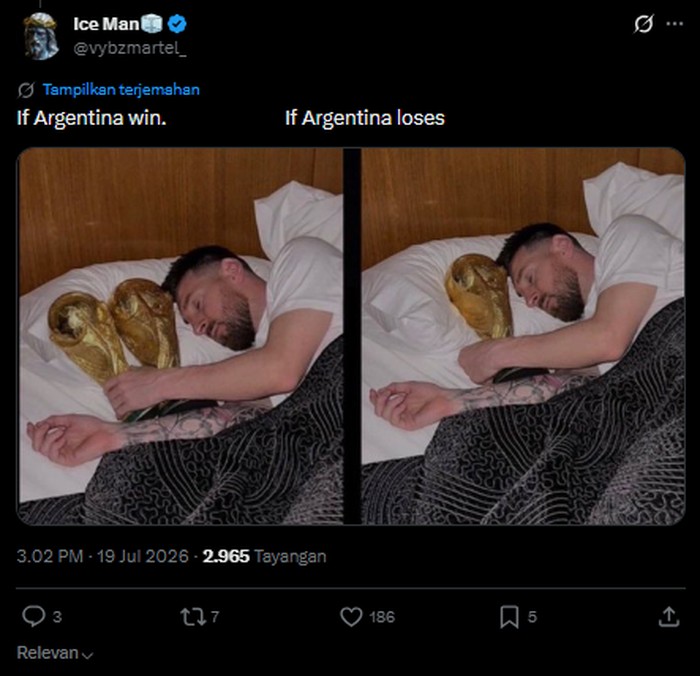
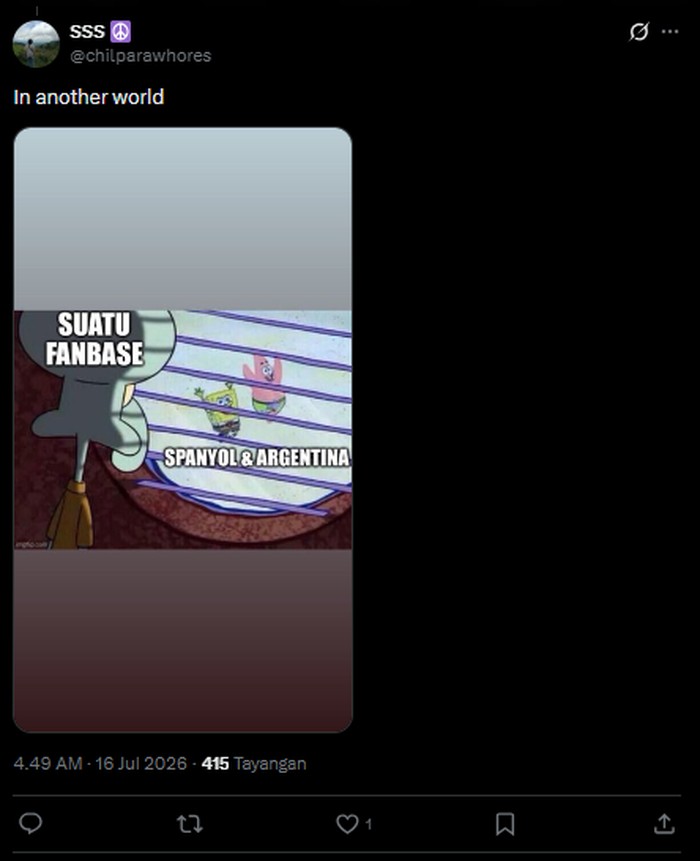
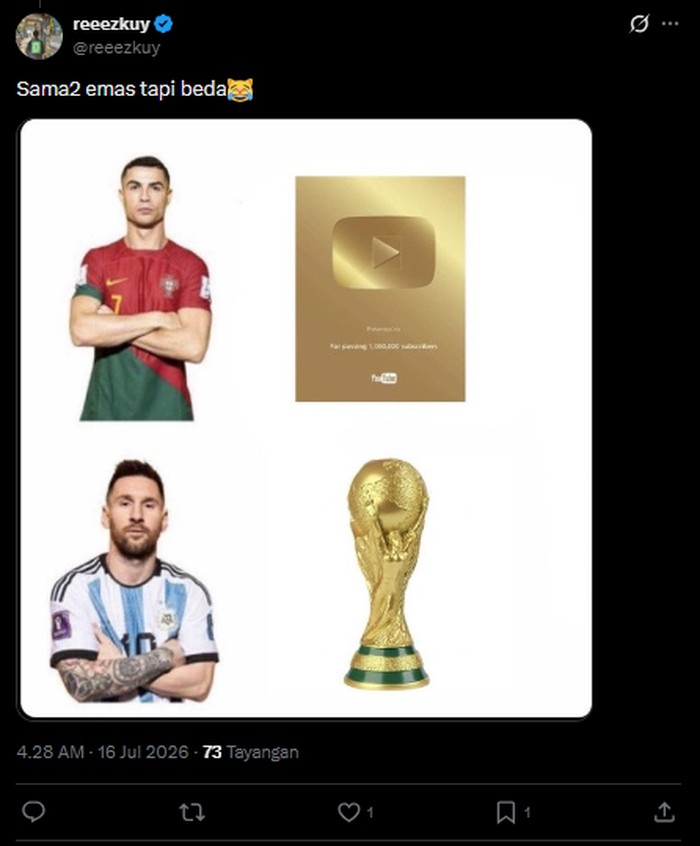
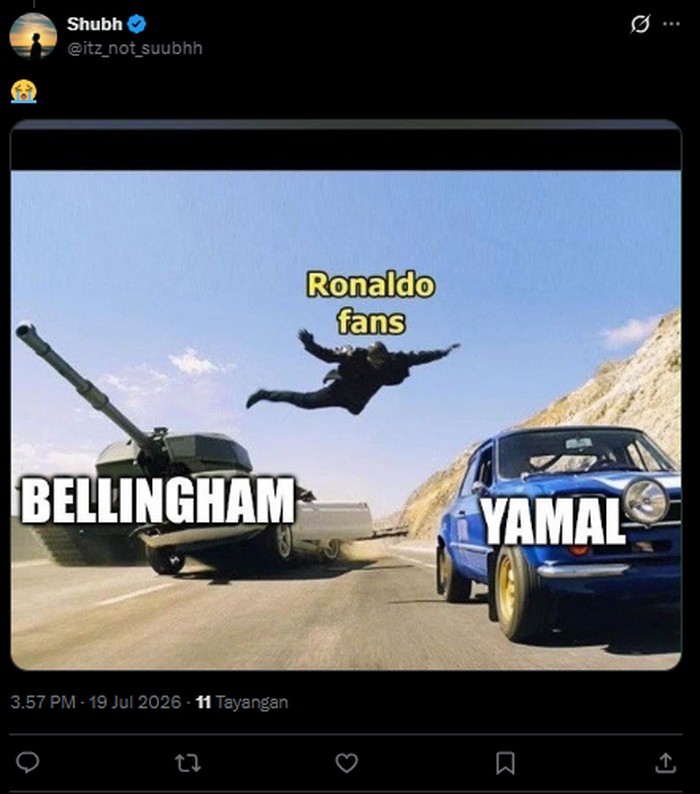
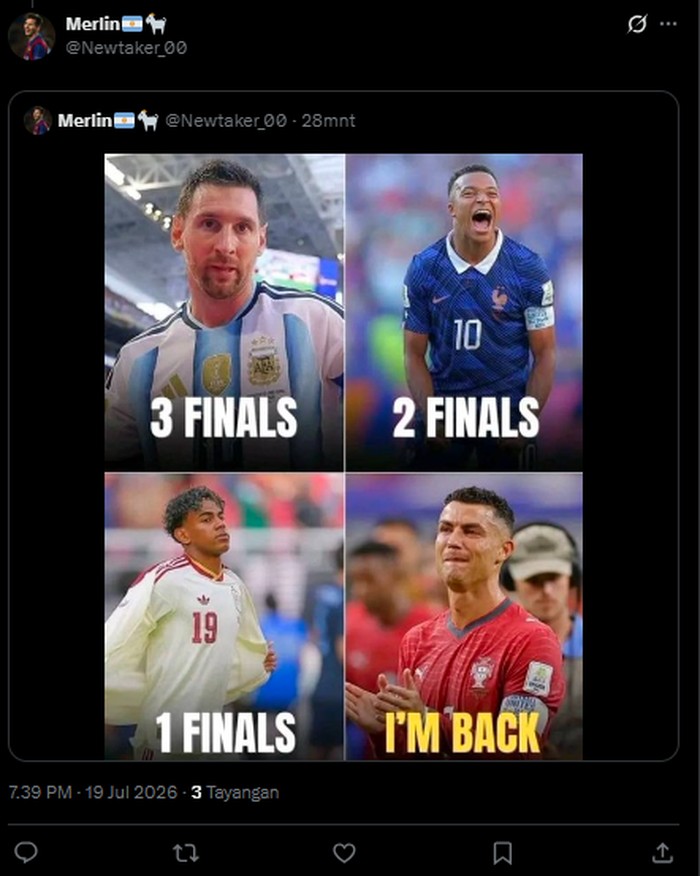
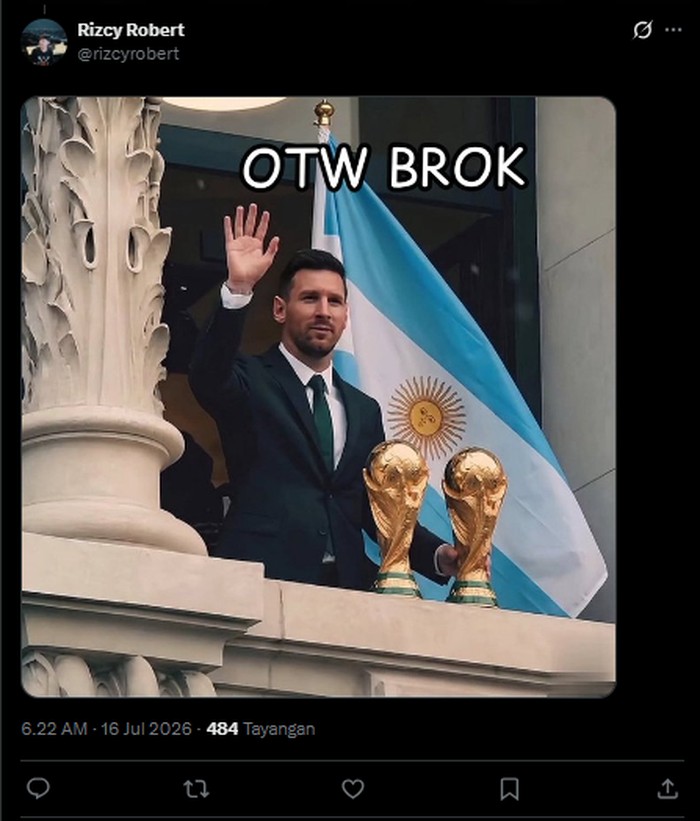
The memes circulating specifically target fans who have historically supported Cristiano Ronaldo or Real Madrid. This often stems from the intense "Messi vs. Ronaldo" debate that has dominated football discussions for over a decade. With Lionel Messi leading Argentina’s charge towards a potential World Cup title, many memes playfully depict Ronaldo fans in situations of distress or forced neutrality, questioning their loyalties and poking fun at their potential predicament. Similarly, Real Madrid’s strong association with players who have been eliminated from the tournament has led to memes that humorously portray their supporters facing a difficult choice or expressing a sense of exclusion.
Analyzing the Meme Narratives: A Deeper Look
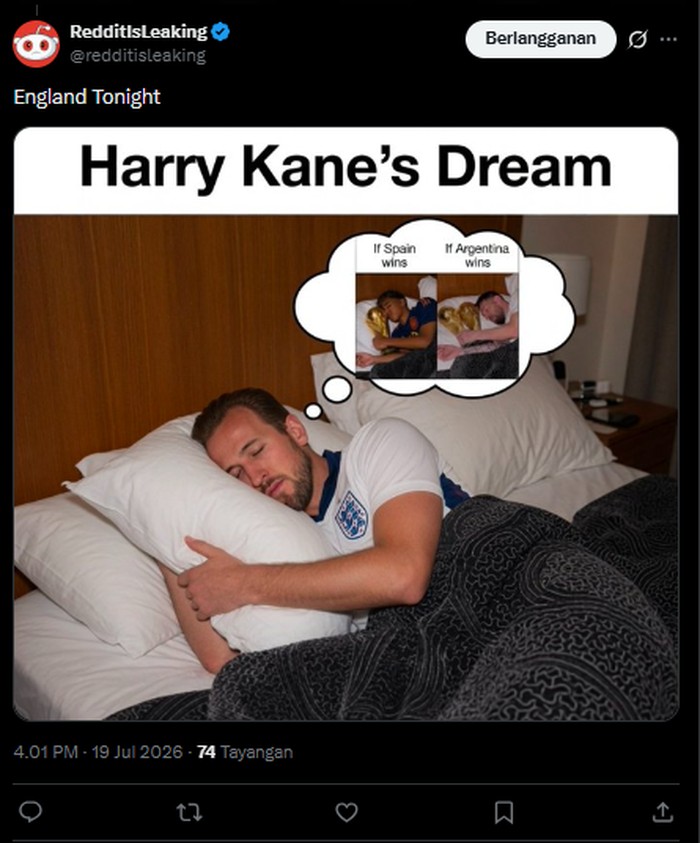
Several recurring themes emerge from the popular memes. One prominent narrative humorously suggests that fans who previously backed Cristiano Ronaldo, and by extension his national team, Portugal, or clubs he has played for, are now scrambling to find a new team to support. Memes depict these hypothetical fans as being in a state of confusion, perhaps even “switching sides” to support teams that align with their former idols or rivalries. The image of Harry Kane, a prominent player whose team was also eliminated, dreaming of either Spain or Argentina winning is a common trope, symbolizing the shared sentiment of football fans whose preferred nations are no longer in contention.
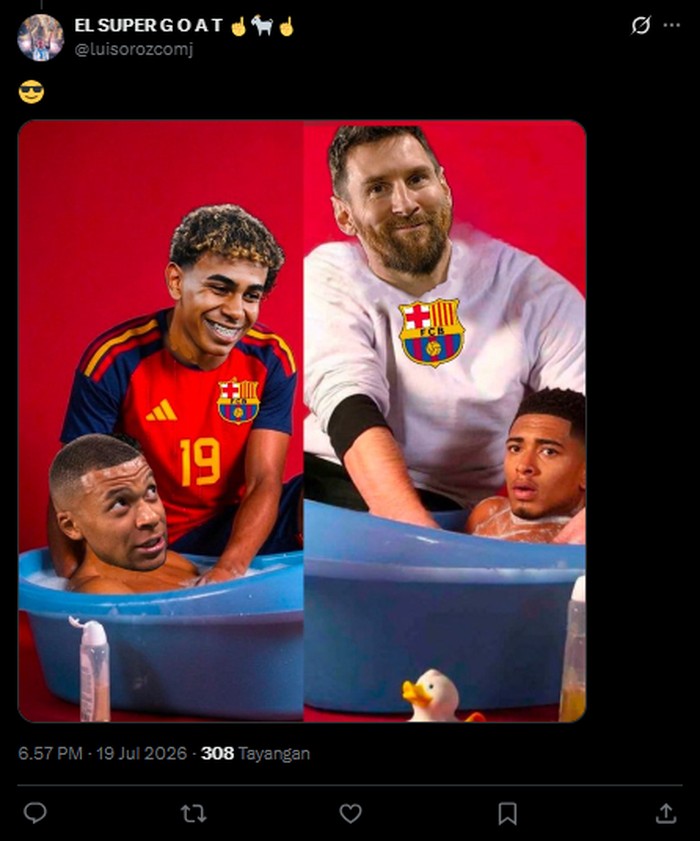
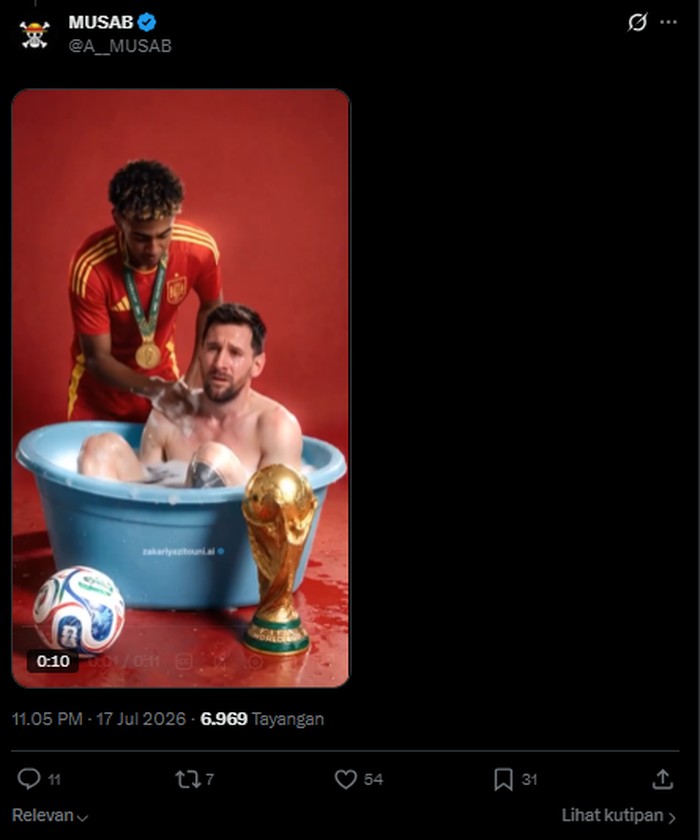
Another significant vein of humor revolves around the perceived rivalry between Barcelona and Real Madrid, two titans of Spanish football. With Lamine Yamal, a young prodigy currently playing for Barcelona, featuring prominently for Spain, and Kylian Mbappé, a Real Madrid target and star player, out of the tournament, memes draw parallels. They suggest that Barcelona’s current generation of players, represented by Yamal, have triumphed over Real Madrid’s influence, embodied by Mbappé. This narrative extends to Lionel Messi, a former Barcelona icon, whose potential victory with Argentina is seen as another win for the "Barcelona lineage" over Real Madrid players like Jude Bellingham.
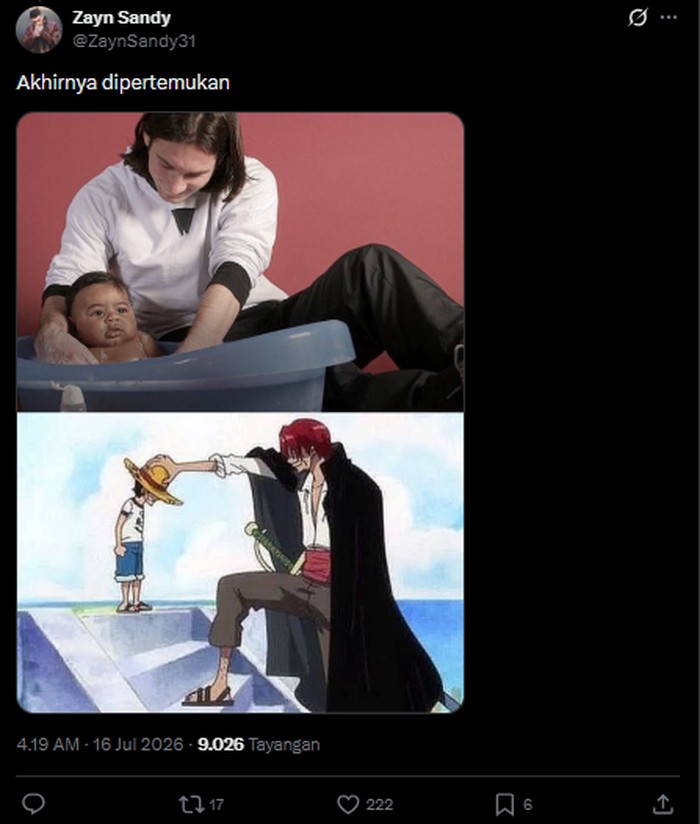
The memes also delve into the romanticized narratives of footballing legends. The image of Lionel Messi and Lamine Yamal being depicted as younger versions of the iconic anime characters Shanks and Luffy from "One Piece" is a creative comparison, highlighting the mentorship and legacy aspects within the sport. This specific meme taps into a cultural understanding beyond football, demonstrating the interconnectedness of global pop culture and sporting events.
Furthermore, the memes often question the very essence of fan loyalty. One particularly poignant meme asks, "Are Messi and Argentina going to be World Cup champions again?" This simple yet profound question encapsulates the anticipation and the lingering doubts that fans grapple with, especially in the face of such a high-stakes final. The inclusion of a meme depicting "Barcelona fans right now" looking confused about who to support humorously acknowledges the complex loyalties football fans often navigate, particularly when their primary club allegiances might clash with their national team preferences or individual player loyalties.
Historical Context and the Messi-Ronaldo Era
The intensity of these digital reactions is intrinsically linked to the era dominated by Lionel Messi and Cristiano Ronaldo. For nearly two decades, these two athletes have defined footballing excellence, fostering a global fanbase that often divides itself into staunch "Messi-ites" and "Ronaldo-ites." Their individual achievements, Ballon d’Or awards, and club successes have fueled an unparalleled rivalry, transcending the sport itself.
The 2026 World Cup, potentially one of the last major tournaments for both aging superstars, carries immense significance. While Ronaldo’s Portugal bowed out earlier in the tournament, Messi’s Argentina has navigated a challenging path to reach the final. This dynamic has intensified the focus on Messi’s quest for another World Cup title, a crowning achievement that would further cement his legacy as arguably the greatest player of all time, a status many believe would be solidified by a World Cup victory.
The absence of Ronaldo from the final, coupled with the potential for Messi to clinch the ultimate prize, has undoubtedly amplified the discourse surrounding their respective legacies. The memes, in this context, serve as a digital commentary on this ongoing narrative, playfully highlighting the perceived outcomes for fans of both players.
Statistical Snapshot of the Finalists
Argentina:
- Previous World Cup Titles: 3 (1978, 1986, 2022)
- Key Players: Lionel Messi, Lautaro Martínez, Julián Álvarez, Enzo Fernández, Lamine Yamal (though Yamal represents Spain, his inclusion in memes related to Messi’s path is significant).
- Manager: Lionel Scaloni
- Tournament Performance (leading up to the final): A strong group stage performance followed by hard-fought knockout victories, demonstrating resilience and clutch play. Their journey has been characterized by Messi’s inspirational leadership and the emergence of key supporting players.
Spain:
- Previous World Cup Titles: 1 (2010)
- Key Players: Lamine Yamal, Pedri, Gavi, Álvaro Morata, Rodri.
- Manager: Luis de la Fuente
- Tournament Performance (leading up to the final): A youthful and dynamic squad, Spain has showcased a fluid attacking style, blending experienced midfielders with exciting young talent. Their path to the final has been marked by dominant performances and tactical flexibility.
Broader Implications of Digital Fan Engagement
The prevalence of memes and online discussions surrounding major sporting events like the World Cup has several implications:
- Amplified Fan Engagement: Social media provides a low-barrier entry point for fans to participate in the excitement, share their opinions, and feel connected to the global football community.
- Shaping Narratives: Memes and online commentary can significantly influence public perception and shape the prevailing narratives around players, teams, and rivalries.
- Commercial Opportunities: Brands and sponsors actively leverage trending memes and online conversations to engage with target audiences, creating viral marketing campaigns.
- Cultural Reflection: The humor and themes found in these memes offer a glimpse into the current cultural zeitgeist and the shared experiences of global football fans.
- Challenges for Traditional Media: News outlets must now contend with the speed and participatory nature of social media, often needing to report on or respond to online trends.
As Spain and Argentina prepare to battle it out on the pitch, the digital realm will undoubtedly continue to buzz with anticipation, analysis, and, of course, a healthy dose of humorous rivalry. The memes, while often lighthearted, serve as a powerful indicator of the passion and the intricate tapestry of narratives that define modern football fandom. The World Cup final is not just a sporting event; it’s a global cultural moment, and its digital reverberations are as much a part of the spectacle as the ninety minutes of play itself.