The Pokemon Company Unveils Historic Cultural Integration Between Global Pokemon Franchise and Indonesian Wayang Heritage

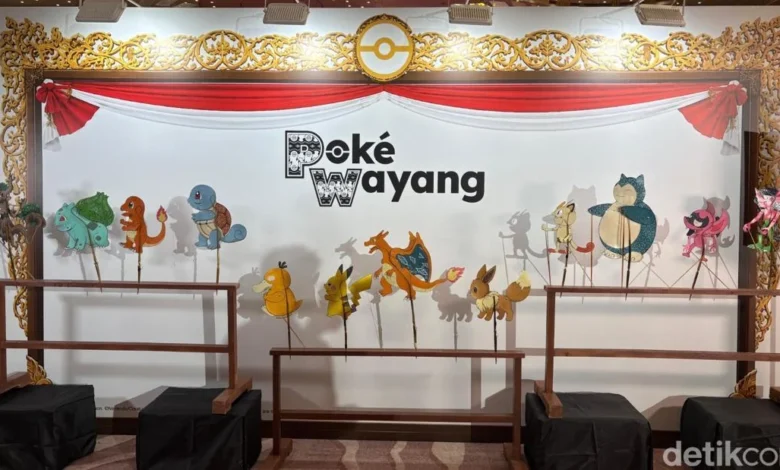
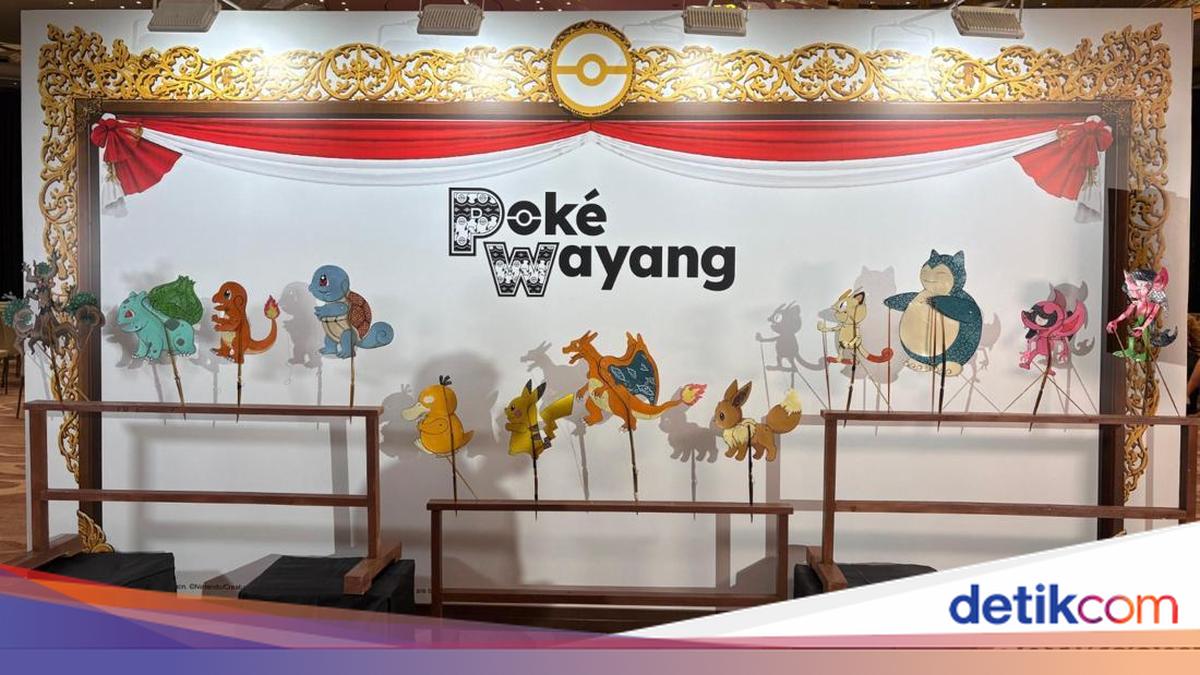
JAKARTA — In a landmark initiative aimed at bridging the gap between global pop culture and traditional Indonesian arts, The Pokemon Company has officially announced a strategic collaboration featuring the integration of the Pokemon franchise with Wayang, the ancient and revered Indonesian shadow puppetry. This partnership, unveiled during the "Future Plans for Indonesia 2026-2027" conference held at the St. Regis Hotel in Jakarta on September 14, 2026, marks a significant milestone in the preservation of intangible cultural heritage through modern digital intellectual property.
The announcement represents a shift in how cultural institutions and international corporations approach the marketing and preservation of history. By leveraging the immense global reach of the Pokemon brand, the Indonesian government and The Pokemon Company aim to ensure that Wayang—a UNESCO-recognized Masterpiece of Oral and Intangible Heritage of Humanity—remains relevant to the digital-native generation.
The Genesis of the Collaboration
The initiative, colloquially referred to as "Poke-Wayang," is the culmination of extensive discussions between The Pokemon Company and three key Indonesian ministries: the Ministry of Culture, the Ministry of Tourism, and the Ministry of Creative Economy. Susumu Fukunaga, Corporate Officer at The Pokemon Company, emphasized that the decision to partner with the Indonesian government was rooted in a shared mission to provide children with a unique, educational, and engaging way to connect with their national identity.
"We have sought to collaborate with Wayang, which is one of the world’s intangible cultural heritages registered by UNESCO and a source of pride for Indonesia," Fukunaga stated during the conference. "Our primary mission is to communicate the world of Pokemon to children in Indonesia while simultaneously respecting and highlighting the profound depth of local traditions."
The first public demonstration of this cultural synthesis is scheduled for the World Conference on Creative Economy (WCCE), taking place on October 22-23, 2026. During this event, the public will witness the first official appearance of Pokemon-themed Wayang puppets, a performance that combines the intricate craftsmanship of traditional puppetry with the iconic aesthetic of the Pokemon creature design.
Chronology of the Strategic Partnership
The road to this partnership began in early 2025, following a series of diplomatic and commercial dialogues aimed at boosting Indonesia’s creative economy sector.
- Q1 2025: Initial discussions between The Pokemon Company and the Indonesian Ministry of Creative Economy regarding cultural exchange.
- Q3 2025: Feasibility studies conducted on the fusion of digital IP with traditional shadow puppetry, focusing on maintaining the integrity of Wayang aesthetics.
- Q1 2026: Formalization of the "Future Plans for Indonesia 2026-2027" roadmap.
- September 14, 2026: Official unveiling of the collaboration at the St. Regis Jakarta.
- October 22-23, 2026: Scheduled debut of the Pokemon-Wayang performance at the World Conference on Creative Economy.
Official Government Perspective
The Indonesian government has expressed significant enthusiasm for the project, viewing it as a catalyst for cultural revitalization. Minister of Culture Fadli Zon highlighted that the collaboration is deeply rooted in the nation’s constitutional mandate, specifically Article 32, Paragraph 1 of the 1945 Constitution, which tasks the state with advancing national culture within the global civilization.
"Wayang is a medium that is easily accepted by society in Indonesia," Minister Fadli noted. "It is not merely an entertainment medium; it is a repository for moral, humanitarian, and ethical values. By aligning it with a globally recognized IP like Pokemon, we are ensuring that these values are transmitted to a broader, younger audience who might otherwise be disconnected from traditional art forms."
Fadli further emphasized that the Ministry of Culture’s support extends beyond this specific partnership. The collaboration is intended to serve as a blueprint for future initiatives, including the revitalization of the batik industry and other artisanal crafts, which the government hopes to market more effectively on the international stage.
Economic and Cultural Implications
The economic dimension of this project is as critical as its cultural objective. Deputy Minister of Creative Economy, Irene Umar, underscored the potential for this partnership to stimulate the local economy, particularly for the community of puppeteers (dalang) and local artisans.
"We are looking at a multi-pronged impact," Irene explained. "First, there is the direct engagement with the youth. Second, there is the global exposure of Wayang to the massive Pokemon fanbase. Third, there is the economic ecosystem surrounding this, which includes not just the physical puppets, but the production of music, soundtracks, and digital content that can generate sustainable revenue for creators."
Analysts suggest that this model of "Cultural IP Licensing" could provide a template for other developing nations seeking to monetize and protect their traditional heritage. By integrating traditional arts into the supply chains of global media giants, countries can secure funding for the preservation of dying crafts while simultaneously building a modern brand identity.
Bridging the Generation Gap
A core challenge facing traditional arts in the 21st century is the "digital divide." Younger demographics, increasingly reliant on high-speed internet and digital entertainment, often perceive traditional arts as static or inaccessible. By embedding Pokemon characters into the Wayang framework, the project aims to create a "hook" that draws children into the broader context of traditional storytelling.
The performance at the WCCE will feature traditional gamelan music adapted to include themes from the Pokemon franchise. This fusion is intended to demonstrate that tradition is not a fixed point in time but a living, breathing entity that can evolve to incorporate new influences.
Supporting Data and Context
According to UNESCO, the preservation of intangible heritage requires "the maintenance of the context" in which it is performed. The Pokemon Company’s approach is unique in that it attempts to maintain the traditional context (the performance, the stage, the music) while modifying the content (the puppet figures).
Industry reports on the creative economy in Southeast Asia suggest that the region’s market for intellectual property has grown by approximately 15% annually since 2022. Indonesia, with its demographic bonus and a population where over 50% are under the age of 30, represents a significant growth market for international franchises. By tying their presence to cultural heritage, companies like The Pokemon Company mitigate the risk of being viewed as "cultural outsiders" and instead become partners in national development.
Future Outlook and Challenges
While the initiative has been met with positive initial reactions, experts in cultural preservation note that the success of the project will depend on the sensitivity of the execution. The challenge lies in ensuring that the Pokemon brand does not overshadow the cultural significance of the Wayang.
"The key will be balance," said an independent cultural consultant based in Jakarta. "If done correctly, this will pique the curiosity of a child to ask about the origins of the Wayang, leading them to discover the rich history of the Mahabharata and Ramayana epics that form the core of traditional puppetry. If done incorrectly, it risks becoming a superficial marketing gimmick."
The Ministry of Culture has confirmed that they will oversee the artistic direction of the performances to ensure that the moral and ethical lessons inherent in Wayang are preserved. The collaboration is expected to expand in 2027 to include educational workshops, digital media campaigns, and potential museum exhibits in both Japan and Indonesia.
Conclusion
The collaboration between The Pokemon Company and the Indonesian government is a sophisticated exercise in soft power and cultural diplomacy. As the world becomes increasingly globalized, the ability to blend the local with the universal will likely become a primary indicator of a nation’s ability to preserve its heritage.
With the upcoming debut in October, all eyes will be on the World Conference on Creative Economy to see how this synthesis of digital fantasy and ancient tradition manifests. For Indonesia, the success of this project could signify a new era for its creative industry—one where the past is not merely remembered, but actively played with, debated, and integrated into the future of global pop culture.
As Minister Fadli Zon concluded, "We hope this initiative will serve as a beacon for how we can honor our ancestors while preparing our children for the world stage. It is about taking the best of what we have and finding a common language that the world can understand."
Related posts: