
The Evolution of Ultra-High Resolution Mobile Photography: Top 200MP Smartphones Available in Indonesia and Their Market Impact

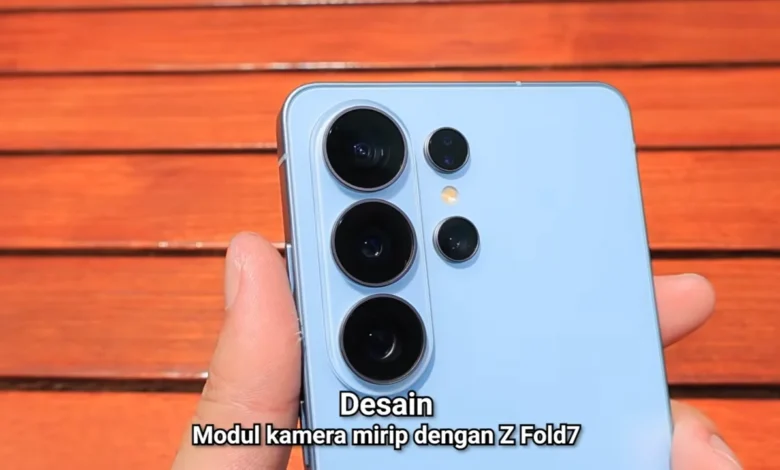
The smartphone industry has continuously pushed the boundaries of mobile imaging, moving rapidly from single-digit megapixel sensors to complex multi-lens configurations. Among the most prominent milestones in recent years is the mainstream adoption of 200-megapixel (200MP) camera sensors. Initially reserved exclusively for ultra-premium flagship devices, this ultra-high resolution technology has steadily trickled down into upper-midrange and accessible price segments. Today, consumers in Indonesia have access to a diverse array of 200MP smartphones, spanning from competitive mid-rangers priced around Rp6 million to ultra-flagship devices exceeding Rp20 million.

However, industry experts and manufacturers consistently remind consumers that megapixel counts alone do not dictate photographic excellence. The actual output of a smartphone camera is governed by a delicate synergy of physical sensor size, pixel-binning technology, optical lens quality, digital signal processing (DSP), and sophisticated software optimization. As the Indonesian mobile market welcomes an influx of these high-resolution devices, understanding the broader ecosystem, pricing structures, and technological implications becomes essential for tech enthusiasts and everyday buyers alike.
The Technological Leap: Understanding the 200MP Sensor Ecosystem
The introduction of 200MP sensors to the commercial market represents a significant engineering challenge and triumph. Packing two hundred million pixels onto a physical smartphone sensor requires advanced micro-lens design and sophisticated pixel-binning algorithms—such as 16-in-1 or 4-in-1 binning—which combine multiple pixels into a larger single pixel to improve low-light sensitivity and dynamic range.

Over the past hardware cycles, major sensor manufacturers have refined these technologies. Modern 200MP implementations frequently leverage advanced technologies like LOFIC (Lateral Overflow Integration Capacitor) to drastically improve highlight clipping recovery and HDR performance. Furthermore, integration with mechanical optical zoom systems, telephoto periscope lenses, and optical image stabilization (OIS) has transformed 200MP sensors from simple marketing gimmicks into versatile photographic powerhouses capable of extreme cropping flexibility and lossless digital zoom.
Comprehensive Overview of 200MP Smartphones in Indonesia
The Indonesian smartphone market currently hosts several prominent devices featuring primary 200MP shooters. These offerings span various manufacturing philosophies, from lifestyle-oriented sub-brands to uncompromising luxury flagships.

Xiaomi 17 Ultra
As the crowning jewel of Xiaomi’s mobile lineup, the Xiaomi 17 Ultra redefines the upper echelon of mobile imaging. Featuring a slim profile of 8.29 mm and a starting weight of 218.4 grams, it balances robust hardware with ergonomic design.
- Imaging Capabilities: The device utilizes a 1-inch Light Fusion 1050L primary sensor paired with LOFIC technology. Its Leica-engineered 200MP telephoto system covers focal lengths from 75mm to 100mm, supported by mechanical optical zoom and an equivalent 400mm reach. Leica APO optical standards are employed to mitigate ghosting and color fringing, while video creators benefit from 4K 120fps recording with Dolby Vision and ACES Log support.
- Hardware and Performance: Driven by the Snapdragon 8 Elite Gen 5 processor, the device is powered by a 6,000 mAh battery supporting 90W wired and 50W wireless HyperCharge. The 6.9-inch LTPO OLED display reaches a peak brightness of 3,500 nits and incorporates HyperRGB technology.
- Pricing: Available in configurations starting from Rp19,999,000 (16GB + 512GB) up to Rp22,999,000 (16GB + 1TB).
OPPO Reno16 Pro 5G
Targeting the intersection of aesthetic design and high-end imaging, the OPPO Reno16 Pro 5G showcases OPPO’s 3D Planet design language, incorporating HoloVerse 3D technology for dynamic visual light reflections.

- Imaging Capabilities: Equipped with a 200MP main camera (f/1.8, 1/1.56-inch sensor with OIS), a 50MP ultra-wide lens, and a 50MP periscope telephoto lens offering 3.5x optical zoom with OIS. The front-facing camera utilizes a 50MP sensor with a wide 100-degree field of view.
- Hardware and Performance: Powered by the MediaTek Dimensity 8550 Super SoC, LPDDR5X RAM, and UFS 3.1 storage. Energy management is handled by a robust 6,700 mAh battery with 80W SuperVOOC fast charging, all housed behind a 6.32-inch 1.5K OLED display with a 144Hz refresh rate and a peak brightness of 3,600 nits.
- Pricing: Positioned in the upper-midrange sector at Rp14,999,000 for the 12GB + 256GB variant.
realme 16 Pro 5G
For consumers seeking ultra-high resolution photography without entering luxury price brackets, the realme 16 Pro 5G serves as a competitive entry point into the 200MP market.
- Imaging Capabilities: The device features a 200MP main sensor enhanced by realme’s proprietary LumaColor IMAGE technology, designed to deliver natural skin tones, multi-dimensional color optimization, and authentic depth-of-field blur. It is supplemented by an 8MP ultra-wide lens and a 50MP front-facing camera. For users desiring advanced zoom mechanics, the higher-tier realme 16 Pro+ incorporates a dedicated 50MP periscope telephoto lens alongside a Snapdragon 7 Gen 4 processor.
- Hardware and Performance: Built around a 6.78-inch 1.5K AMOLED flat display with a 144Hz refresh rate. Performance is driven by the MediaTek Dimensity 7300 Max 5G chipset, paired with a massive 7,000 mAh battery and 80W fast charging.
- Pricing: Highly competitive, starting at Rp6,989,000 for the 12GB + 256GB model (with the Pro+ variant extending into the mid-Rp8 million range).
Samsung Galaxy S26 Ultra
Samsung continues to anchor its position as a pioneer in ultra-high resolution mobile photography with the Galaxy S26 Ultra, combining elite computational photography with enterprise-grade hardware innovations.

- Imaging Capabilities: The comprehensive rear camera array includes a 200MP main sensor (F1.4 with OIS and 2x optical-quality zoom), a 50MP ultra-wide lens, a 50MP periscope telephoto lens (5x optical, 10x optical-quality zoom), and a 10MP telephoto lens (3x optical). Enhanced Nightography algorithms and horizontal-lock SuperSteady video stabilization further solidify its cinematic utility.
- Hardware and Performance: Driven by the customized Snapdragon 8 Elite Gen 5 for Galaxy, offering significant generational leaps in CPU, GPU, and NPU efficiency. A standout feature is the world’s first Privacy Display technology, which restricts lateral viewing angles on demand. The device features a 6.9-inch Dynamic AMOLED 2X display, a 5,000 mAh battery, and 60W charging.
- Pricing: Retails at Rp24,499,000 (12GB + 256GB) and Rp27,499,000 (12GB + 512GB).
vivo V70 FE
Representing a strategic shift in vivo’s V-series lineup, the vivo V70 FE bridges the gap between accessible pricing and premium photographic features.
- Imaging Capabilities: The primary 200MP sensor features OIS and is backed by advanced artificial intelligence suites, including AI Travel Portrait, AI Telephoto Enhancement (up to 30x zoom), and an 85mm Multifocal Portrait mode. It supports 4K video recording across both front and rear cameras, alongside creative editing suites like Film Camera Mode 3.0 and AI Erase.
- Hardware and Performance: Utilizes a 4nm MediaTek Dimensity 7360 Turbo processor. It houses an impressive 7,000 mAh battery supported by 90W FlashCharge technology, presented via a 6.83-inch 120Hz AMOLED display.
- Pricing: Offered attractively between Rp6,999,000 and Rp7,999,000 depending on storage configurations.
Comparative Specification Matrix
| Smartphone Model | Display Specifications | Processor (SoC) | Battery & Charging | Rear Camera Configuration | Front Camera | Price Range (IDR) |
|---|---|---|---|---|---|---|
| Xiaomi 17 Ultra | 6.9" OLED, 120Hz, 3,500 nits | Snapdragon 8 Elite Gen 5 | 6,000 mAh, 90W wired / 50W wireless | 50MP Main + 200MP Telephoto + 50MP Ultra-wide | 50MP | Rp19,999,000 – Rp22,999,000 |
| OPPO Reno16 Pro 5G | 6.32" AMOLED, 144Hz, 3,600 nits | MediaTek Dimensity 8550 Super | 6,700 mAh, 80W | 200MP Main + 50MP Ultra-wide + 50MP Periscope | 50MP | Rp14,999,000 |
| realme 16 Pro 5G | 6.78" AMOLED, 144Hz | MediaTek Dimensity 7300 Max | 7,000 mAh, 80W | 200MP Main + 8MP Ultra-wide | 50MP | Rp6,989,000 |
| Samsung Galaxy S26 Ultra | 6.9" Dynamic AMOLED 2X, 120Hz | Snapdragon 8 Elite Gen 5 for Galaxy | 5,000 mAh, 60W | 200MP Main + 50MP Periscope + 50MP Ultra-wide + 10MP Telephoto | 12MP | Rp24,499,000 – Rp27,499,000 |
| vivo V70 FE | 6.83" AMOLED, 120Hz | MediaTek Dimensity 7360 Turbo | 7,000 mAh, 90W | 200MP Main + 8MP Ultra-wide | 32MP | Rp6,999,000 – Rp7,999,000 |
Market Implications and Consumer Analysis
The proliferation of 200MP camera systems across disparate market segments highlights a broader trend in the consumer electronics sector: the democratization of high-end hardware. While early iterations of multi-megapixel sensors often suffered from software latency and inconsistent dynamic range, contemporary implementations benefit heavily from mature neural processing units (NPUs) and advanced computational photography pipelines.

For the Indonesian consumer, this market maturity offers unprecedented value. Buyers no longer need to invest in a flagship-tier device solely to experience high-resolution imaging or sophisticated telephoto versatility. Mid-range contenders like the realme 16 Pro 5G and vivo V70 FE demonstrate that manufacturers are willing to integrate premium hardware specifications into more accessible price brackets to capture market share in Southeast Asia’s highly competitive digital landscape.
Ultimately, prospective buyers are advised to look beyond raw marketing metrics. While a 200MP sensor provides an exceptional foundation for detail retention and cropping flexibility, factors such as optical image stabilization, software tuning, battery efficiency, and auxiliary lens quality remain critical determinants of overall user satisfaction.