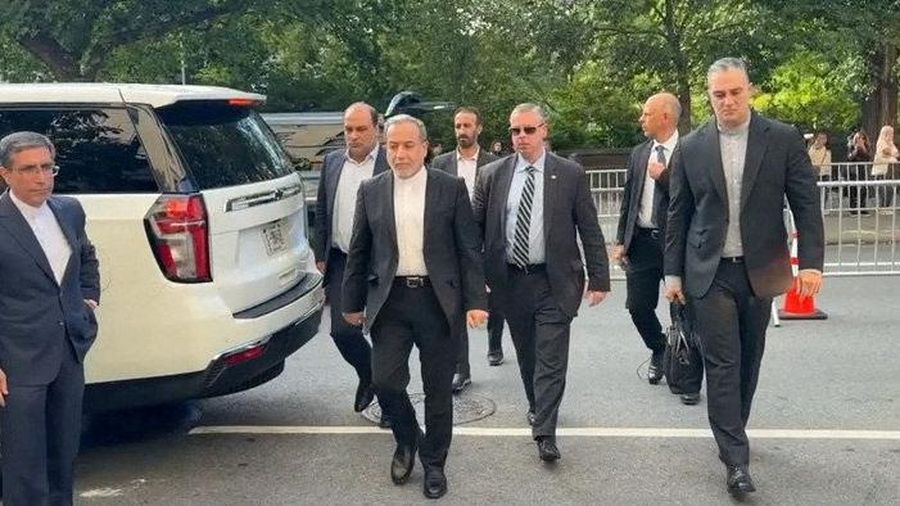
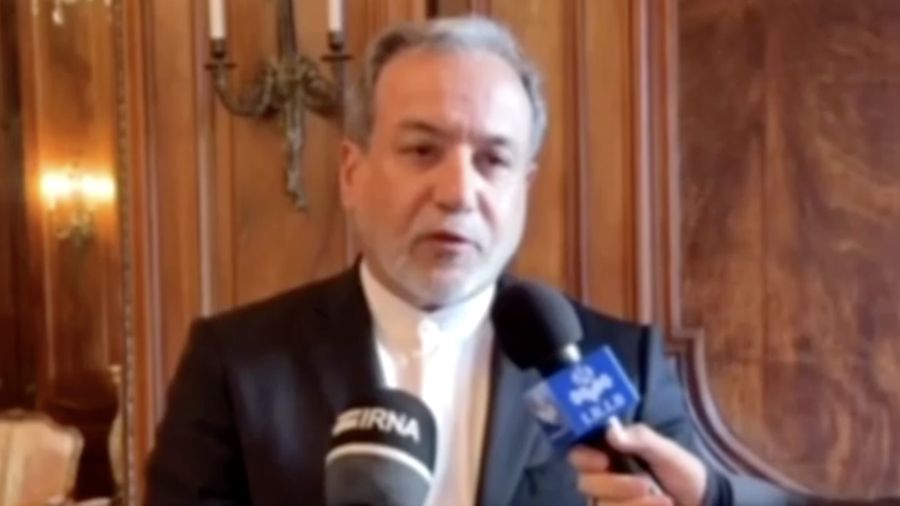
Iranian Minister of Foreign Affairs, Abbas Araghchi, arrived in New York City on Monday, September 21, 2026, marking a significant moment in modern diplomatic history. His presence at the 81st session of the United Nations General Assembly (UNGA) makes him the first high-ranking Iranian official to set foot on United States soil since the eruption of intensified hostilities in the Middle East. This visit comes against a backdrop of severe geopolitical friction, particularly following the joint military operations conducted by the United States and Israel against various targets within Iran in late February 2026.
The arrival of Minister Araghchi is viewed by analysts as a calculated strategic maneuver. Despite the hostile environment and the ongoing shadow of a potential political shift in Washington—specifically regarding the influence and policies associated with former President Donald Trump—Tehran has chosen to engage directly with the international community. The diplomatic mission underscores Iran’s intent to maintain a presence on the world stage, even as the regional security architecture remains in a state of volatile transition.
The Context of the 81st UN General Assembly
The 81st UNGA session, held under the thematic banner of "Restoring Trust, Managing Transformation: A United Nations That Delivers for All," has become a focal point for global tension. During his initial remarks to the press, Minister Araghchi offered a sharp critique of the current state of global diplomacy. He argued that the chosen theme itself serves as a tacit admission that confidence in international institutions has eroded.
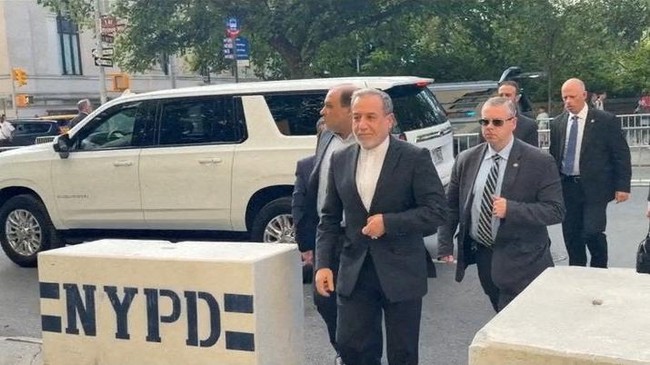
Araghchi pointedly remarked that this loss of trust is not a natural occurrence but a direct consequence of the actions of specific nations that have prioritized unilateral interests over international law and institutional norms. His rhetoric suggests that Iran views the current UN framework as compromised, yet necessary for navigating the ongoing crisis. By participating, Tehran is signaling that it intends to challenge the narrative constructed by Western powers and their regional allies.
A Chronology of Escalation
The current diplomatic impasse is deeply rooted in the events of early 2026. The trajectory of the current crisis can be traced through the following key events:
- Late February 2026: A series of coordinated, high-intensity strikes were launched by U.S. and Israeli forces against strategic assets inside Iran. These strikes were framed by the coalition as a response to perceived threats to regional stability and maritime security.
- March – May 2026: Following the February strikes, the Middle East entered a period of "low-intensity conflict," characterized by cyber-attacks, economic sanctions, and increased military posturing around key transit points, specifically the Strait of Hormuz.
- June 2026: Global energy markets experienced significant volatility as tensions impacted tanker traffic through the Persian Gulf.
- September 2026: Minister Araghchi’s arrival in New York signifies the first major face-to-face opportunity for high-level diplomatic signaling between the opposing blocs since the February escalation.
Global Economic and Energy Market Implications
The arrival of the Iranian delegation has had an immediate impact on global energy markets. On Tuesday, oil prices recorded their first increase in five consecutive trading sessions. This uptick is not merely a reaction to current production levels, but a reflection of investor anxiety regarding the prospect of renewed hostilities or, conversely, a surprise diplomatic breakthrough.
Market participants are closely monitoring reports from the UN headquarters, hoping for signals of potential back-channel talks between Iranian officials and U.S. representatives. The stabilization of supply routes through the Strait of Hormuz remains a primary concern for the global economy. During the last weekend, there was a recorded increase in the volume of energy shipments passing through this critical chokepoint, providing a temporary sense of relief to markets that have been jittery throughout the summer months.
Diplomatic Analysis: Navigating the Trump Factor
The mention of "facing Trump" in diplomatic circles, despite his status as a private citizen or political candidate, highlights the pervasive influence of his "Maximum Pressure" policy legacy. For the Iranian leadership, the memory of the 2018 withdrawal from the Joint Comprehensive Plan of Action (JCPOA) remains a primary driver of their foreign policy.
Araghchi’s presence in New York is a deliberate attempt to project strength and stability. By appearing at the UN, Iran is essentially telling the international community that it remains a sovereign actor capable of diplomatic engagement, despite being under intense pressure from Western sanctions and military posturing. Analysts suggest that Araghchi is likely looking to build a coalition of support among Global South nations within the UN to counter the influence of the U.S.-led coalition.
The Role of the United Nations in the Current Crisis
The UN’s role as a mediator has been severely tested throughout 2026. With the Security Council often paralyzed by the veto power of permanent members who hold opposing views on the Middle East, the General Assembly has become the only venue where all parties can be heard.
However, the efficacy of the UN as a conflict-resolution body is increasingly questioned by member states. Araghchi’s criticism of the UN’s inability to enforce international law reflects a growing sentiment among non-aligned nations that the organization has become an extension of Western geopolitical interests. Nevertheless, the fact that Tehran continues to utilize the UN platform suggests that they still perceive it as a vital tool for legitimacy and public diplomacy.
Broader Implications and Future Outlook
The coming days of the General Assembly will be critical. If Minister Araghchi engages in even informal discussions with Western diplomats, it could signal a cooling-off period in the current conflict. If, however, the rhetoric remains strictly confrontational, the world may see a further entrenchment of the two blocs.
The situation remains fluid. The U.S. administration, for its part, has maintained that it remains open to diplomacy provided that Iran changes its regional behavior. Iran, conversely, maintains that its actions are a response to external aggression. This cycle of accusation and counter-accusation has left little room for a traditional diplomatic settlement.
Furthermore, the domestic political landscape in the United States, with its focus on the upcoming electoral cycles, further complicates any potential for a major foreign policy pivot. Any move by the incumbent administration to engage with Tehran is likely to be met with intense scrutiny from domestic opponents who advocate for a more hawkish approach.
Conclusion
The presence of Abbas Araghchi in New York is a powerful symbol of the complexities of modern international relations. It serves as a reminder that even in the midst of active conflict, the channels of communication are never fully closed. Whether this visit leads to a de-escalation of the conflict or remains a performative act of defiance will depend on the behind-the-scenes negotiations that take place in the corridors of the United Nations over the next week.
As the 81st session of the UNGA proceeds, the international community will be watching closely to see if the rhetoric of "restoring trust" can be translated into any tangible progress. For now, the world waits to see if the presence of the Iranian Foreign Minister will yield a breakthrough or merely underscore the deepening divide in a fragile global order. The convergence of energy market volatility, regional military threats, and the shadow of U.S. domestic politics creates a high-stakes environment where every word spoken at the UN rostrum carries significant weight.
Ultimately, the mission is clear: Tehran is seeking to define its role in a post-February 2026 landscape, ensuring that its perspective is not only heard but considered in the halls of power, regardless of the challenges posed by its adversaries. The diplomatic dance in New York has only just begun, and the world remains a spectator to what could be one of the most consequential diplomatic sessions of the decade.
Related posts: