
Russian Strategic Bomber Tu-95 Crashes During Training Mission in Amur Region Leaving Six Dead

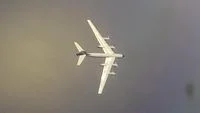
A catastrophic aviation incident occurred in the Amur region of the Russian Far East, where a Tupolev Tu-95 strategic bomber crashed during a routine training exercise. The Russian Ministry of Defense confirmed the tragedy, reporting that six crew members lost their lives, while one survivor was recovered and transported to a military medical facility for emergency treatment. The aircraft, a symbol of long-range aerial power, went down in a sparsely populated area, preventing further casualties on the ground.
Initial reports indicate that the aircraft was not carrying any live munitions at the time of the crash. Following the incident, the Russian Aerospace Forces dispatched a specialized commission to the crash site to secure the wreckage and initiate a comprehensive investigation into the technical or human factors that may have precipitated the loss of the airframe.
The Anatomy of the Tu-95: A Cold War Icon
The Tu-95, known to NATO as the "Bear," remains one of the most distinctive and enduring aircraft in global military aviation history. First introduced in 1952 during the height of the Cold War, the design has defied conventional wisdom regarding the longevity of military platforms. Powered by four Kuznetsov NK-12 turboprop engines—each driving massive contra-rotating propellers—the Tu-95 holds the unique distinction of being the fastest production turboprop aircraft ever built.
Despite its vintage origins, the airframe has undergone numerous modernization iterations, including the current Tu-95MS variant, which features updated avionics, navigation systems, and weapon carriage capabilities. Its endurance, range, and payload capacity have ensured that it remains a cornerstone of the Russian strategic bomber fleet. The aircraft’s ability to remain aloft for extended periods allows it to patrol the expansive Russian border and project power across international waters, making it a frequent subject of intercept missions by NATO and allied air forces.
Chronology and Context of the Amur Incident
The training mission was scheduled as a standard proficiency exercise for the Russian long-range aviation units stationed in the Far East. The Amur region, characterized by its vast, rugged, and often unforgiving terrain, is a frequent theater for high-altitude bomber maneuvers. While the precise cause of the crash remains under investigation, early observations from military analysts suggest that such incidents in older, high-time airframes can stem from a variety of causes, including mechanical failure, engine malfunctions, or extreme environmental conditions.
The Ministry of Defense has maintained a strictly controlled flow of information, focusing on the recovery of the crew and the preservation of the "black box" flight data recorders. While military aviation inherently carries a high degree of risk, the loss of a strategic bomber is a significant blow to the operational readiness of the unit involved. Historically, the Russian Air Force has dealt with a series of technical challenges as they struggle to maintain an aging fleet while simultaneously intensifying their operational tempo due to the ongoing geopolitical climate.
Operational Role in the Modern Conflict
The significance of the Tu-95 extends far beyond its age. In the context of the ongoing conflict in Ukraine, the Tu-95 has played a pivotal role as a primary platform for stand-off strikes. The bomber is frequently deployed to launch Kh-101 cruise missiles, which are capable of striking targets at ranges exceeding 2,500 kilometers. By operating deep within Russian airspace, the Tu-95 minimizes its exposure to hostile air defense systems, serving as an effective, if controversial, tool for long-range power projection.
Furthermore, the Tu-95 remains a vital element of the Russian "nuclear triad." Alongside land-based intercontinental ballistic missiles (ICBMs) and submarine-launched ballistic missiles (SLBMs), the bomber force provides a flexible, recallable, and visible component of Russia’s nuclear deterrence strategy. The ability to carry air-launched cruise missiles equipped with either conventional or thermonuclear warheads makes the Tu-95 a high-value asset in the eyes of Moscow’s military planners.
Analysis of Fleet Sustainability
The crash in the Amur region prompts inevitable questions regarding the sustainability of the Tu-95 fleet. While the Kremlin has successfully modernized the airframes with contemporary digital systems, the structural fatigue of aircraft designed seven decades ago remains an unavoidable physical reality. Fatigue cracking, metal corrosion, and the inherent wear and tear on complex gearboxes and transmission systems present an increasing burden for ground crews and maintenance engineers.
International military observers note that the operational tempo of the Russian Air Force has increased significantly since 2022. This intensification—characterized by long-range patrols and frequent combat sorties—places an unprecedented strain on aging hardware. When an airframe reaches the end of its fatigue life, the probability of catastrophic failure rises exponentially. The Ministry of Defense must now weigh the cost of continued maintenance against the potential for replacing these aging platforms with newer, albeit fewer, next-generation strategic bombers like the Tupolev PAK DA, which remains in the development pipeline.
Official Responses and Internal Investigations
In the immediate aftermath of the crash, the Ministry of Defense issued a brief statement expressing condolences to the families of the fallen crew members. The military command has promised a transparent investigation, though details of such internal probes are rarely released to the public in full. The commission dispatched to the Amur region is tasked with reviewing flight logs, maintenance records, and communication transcripts from the final minutes of the flight.
The survivor, currently receiving care, is expected to be a key witness in the inquiry. Their testimony regarding the events leading up to the crash—specifically whether there were warnings from the cockpit or evidence of a sudden, catastrophic failure—will be crucial. For now, the Ministry has mandated a temporary suspension of training flights for the specific Tu-95 regiment involved, a standard procedure intended to ensure that any systematic maintenance errors or fleet-wide defects are identified before operations resume.
Broader Strategic Implications
The loss of a strategic bomber, while not a strategic defeat, serves as a stark reminder of the risks inherent in maintaining a large, legacy military force. From a geopolitical perspective, the incident is likely to be used by international observers to gauge the current state of Russian military logistics and technical readiness.
Internally, the Kremlin is under pressure to balance its military ambitions with the reality of its aging infrastructure. As resources are increasingly diverted to the front lines of the war in Ukraine, the maintenance of secondary and strategic assets like the Tu-95 fleet faces potential resource competition. If this crash is found to be the result of deferred maintenance or a lack of spare parts, it may signal a deeper systemic issue within the Russian Aerospace Forces.
Conversely, the Russian military leadership often views these incidents as the "price of doing business" in the pursuit of strategic parity with the West. The Tu-95 remains an effective weapon, and its utility in the current theater of operations ensures that it will remain in service for the foreseeable future. The loss of six experienced airmen is, in the eyes of the military, a grave loss of human capital—specialized personnel whose training takes years to cultivate.
Conclusion: A Legacy Under Scrutiny
As the investigation proceeds in the Amur region, the world watches to see if this incident is an isolated mechanical failure or the symptom of a broader issue within the Russian long-range aviation wing. The Tu-95 Bear, with its roar of turboprop engines and its imposing presence, continues to be a central figure in the narrative of Russian military power. However, as the aircraft enters its eighth decade of service, the balance between historical legacy and operational safety becomes increasingly precarious.
For the families of the fallen, the crash is a personal tragedy. For the Russian military, it is a technical and logistical setback. And for the global community, it serves as a sobering reminder of the hazards associated with aging strategic platforms that continue to play a major role in modern global security. As more data emerges from the recovery of the flight recorders, the global aviation and defense community will continue to monitor the situation, mindful of the historical weight carried by this aging, yet still formidable, titan of the skies.