Pantai Goa Cemara: Yogyakarta’s Coastal Gem Offers a Unique Blend of Natural Beauty and Recreational Activities


Yogyakarta, a city renowned for its rich cultural heritage and vibrant student life, also boasts a captivating coastline that offers a refreshing escape from the urban buzz. Among its many seaside attractions, Pantai Goa Cemara (Cemara Cave Beach) stands out for its distinctive charm, presenting visitors with a unique natural spectacle and a range of engaging activities. This article delves into the allure of Pantai Goa Cemara, exploring its geographical significance, unique ecological features, available amenities, and its growing popularity as a tourist destination.
Location and Accessibility
Pantai Goa Cemara is strategically situated in Dusun Patehan, Desa Gadingsari, Kecamatan Sanden, Kabupaten Bantul, a region of Yogyakarta Special Region known for its expansive coastline. The journey from the bustling heart of Yogyakarta, including iconic areas like Malioboro, typically takes approximately 1.5 hours by private vehicle or motorcycle. This accessibility makes it a convenient day-trip destination for both local residents and international tourists seeking to experience the diverse natural landscapes of the region. The proximity to the provincial capital ensures that the beach is well-integrated into the broader tourism circuit of Yogyakarta.
The entry fee for Pantai Goa Cemara is remarkably affordable, contributing to its appeal as an accessible tourist spot. As of recent information, the entrance fee stands at Rp 5,000 per person. Vehicle parking fees are also nominal, with Rp 2,000 for motorcycles and Rp 5,000 for cars. These modest charges allow for widespread access, making the beach a viable option for a broad spectrum of visitors, including families and budget travelers. The revenue generated from these fees typically contributes to the maintenance and development of the beach’s facilities and natural environment, ensuring its continued appeal.
Unique Ecological Features: The "Cave" of Casuarina Trees
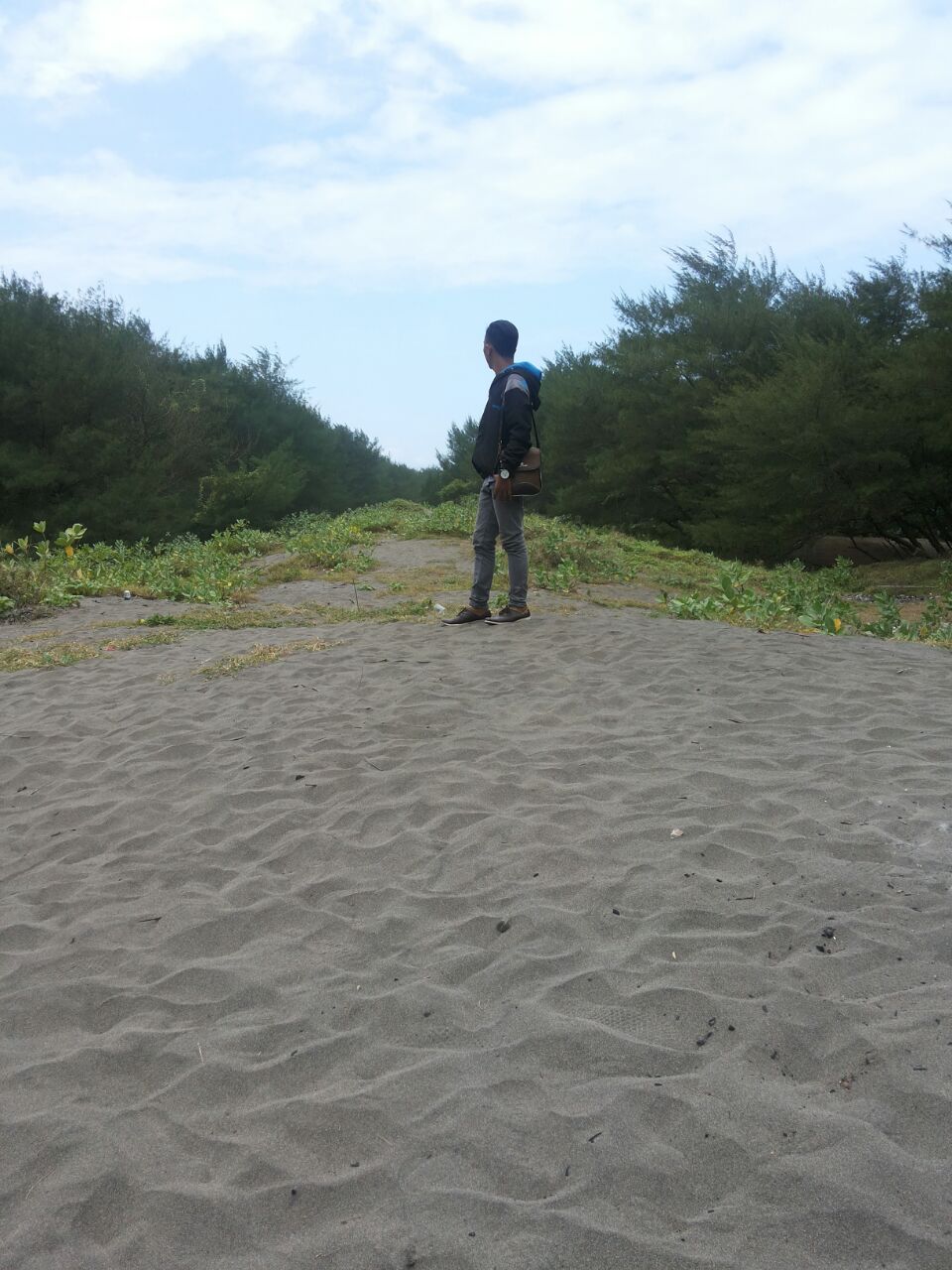
The defining characteristic of Pantai Goa Cemara, and the source of its evocative name, is the dense and sprawling growth of Casuarina equisetifolia, commonly known as Australian pine or beach she-oak, often referred to locally as "cemara udang." These trees, with their needle-like foliage, grow in close proximity along the sandy terrain, creating natural corridors and pathways that resemble the interior of caves. Visitors are guided through these verdant tunnels, a sensory experience that culminates in the breathtaking reveal of the coastline. This unique formation offers a striking contrast between the shaded, cool pathways and the open, sun-drenched beach.
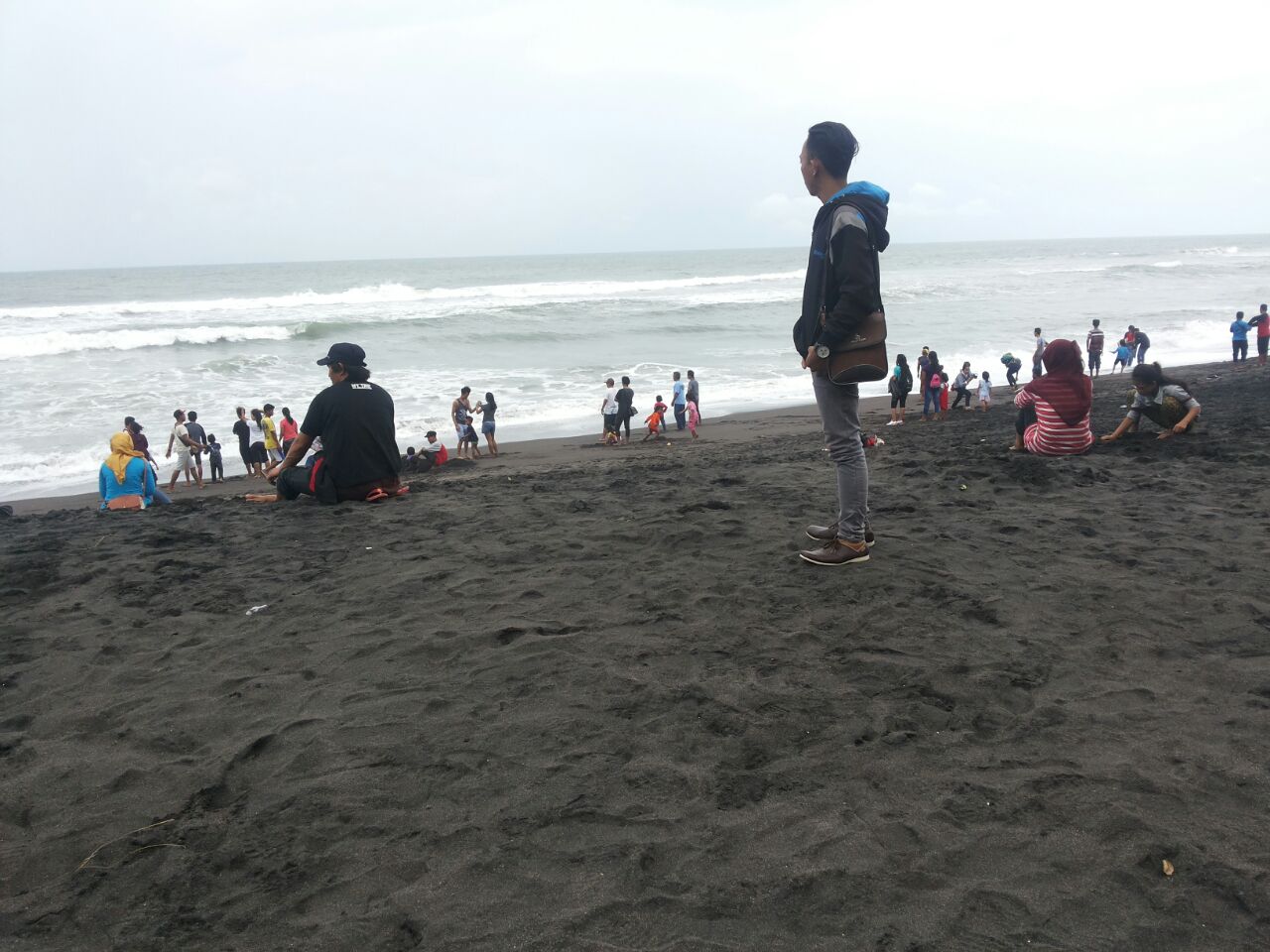
The geological makeup of the beach itself adds another layer of interest. Pantai Goa Cemara is distinguished by its dark, grayish-black sand. This coloration is often attributed to the mineral composition of the sand, which is a common feature of volcanic coastlines in Indonesia, including those in the southern region of Yogyakarta. The dark sand provides a dramatic visual backdrop against the turquoise waters of the Indian Ocean, further enhancing the photographic appeal of the location.

Recreational Activities and Amenities
Beyond its natural beauty, Pantai Goa Cemara offers a variety of activities designed to enhance the visitor experience. The striking casuarina tree formations serve as popular backdrops for photography, allowing visitors to capture the unique ambiance of the "cave" pathways. Beneath the shade of these trees, many visitors opt to relax, spread out picnic mats, and enjoy the serene atmosphere accompanied by the gentle sound of the waves. This area is also conducive to informal culinary experiences, with opportunities to savor local snacks and drinks.
For those seeking a more active engagement with the landscape, the beach provides several recreational options. An amusement area for children is available, ensuring that younger visitors have opportunities for play and entertainment. A particularly popular attraction is the ATV (All-Terrain Vehicle) rental service. For a fee of Rp 30,000 for a 15-minute ride, visitors can explore designated trails that wind through the casuarina groves and along the coastline. This offers an exhilarating way to traverse the expansive beach and appreciate its scenic beauty from a different perspective. The ATV routes are carefully managed by the beach’s administration to ensure safety and preserve the delicate environment.
It is important for visitors to be aware of the oceanographic conditions at Pantai Goa Cemara. The beach is known for its significant wave action, characteristic of the southern coast of Java facing the Indian Ocean. Due to these strong currents and substantial waves, swimming is generally not recommended for safety reasons. Visitors are advised to appreciate the ocean’s power from the shore, enjoying the visual spectacle rather than engaging in water activities.

Economic and Cultural Implications
The development of Pantai Goa Cemara as a tourist destination has a tangible impact on the local economy of Desa Gadingsari and the wider Bantul Regency. The influx of visitors creates demand for local goods and services, including food stalls, souvenir shops, and transportation. The rental of ATVs and the provision of parking facilities also contribute to local employment and revenue generation. Furthermore, the sale of local produce, such as raw and ready-to-eat sweet potato varieties, provides an additional income stream for the community, highlighting the integration of local agriculture with tourism.
The beach also serves as a platform for cultural exchange, allowing visitors to interact with local communities and gain a deeper appreciation for the Javanese way of life. The presence of traditional culinary offerings and the general welcoming atmosphere of Yogyakarta contribute to a holistic tourist experience. The preservation of natural sites like Pantai Goa Cemara also underscores the growing awareness in Indonesia regarding the importance of sustainable tourism, which aims to balance economic development with environmental conservation and cultural integrity.
Broader Impact and Future Prospects
Pantai Goa Cemara exemplifies the growing trend of developing unique, nature-based tourism attractions in Indonesia. Its success lies in its ability to offer a distinct experience that sets it apart from more conventional beach destinations. The "cave" formed by the casuarina trees provides a natural wonder that is both visually stunning and environmentally significant.
The consistent popularity of Pantai Goa Cemara suggests a positive trajectory for its development. Future prospects may include further enhancements to visitor amenities, such as improved restroom facilities, more shaded rest areas, and potentially educational programs about the local flora and fauna. There is also an opportunity to further develop sustainable tourism practices, ensuring that the delicate ecosystem of the casuarina forest and the coastal environment are protected for future generations.
The economic implications for the Bantul Regency are significant. By attracting tourists, the beach contributes to local revenue streams, which can be reinvested in community development projects, infrastructure improvements, and environmental conservation efforts. The synergy between natural attractions and accessible recreational activities positions Pantai Goa Cemara as a valuable asset in Yogyakarta’s diverse tourism portfolio. The continued promotion of such sites also plays a crucial role in diversifying Indonesia’s tourism offerings beyond its more established destinations.
In conclusion, Pantai Goa Cemara is more than just a beach; it is a testament to the unique natural beauty that Yogyakarta has to offer. Its distinctive casuarina "caves," dark sands, and accessible recreational activities create an unforgettable experience for visitors. As tourism continues to grow in the region, Pantai Goa Cemara is poised to remain a beloved destination, offering a perfect blend of natural wonder, adventure, and cultural immersion. The commitment to maintaining its affordability and natural charm will be key to its sustained success and its contribution to the local economy and the broader tourism landscape of Indonesia.