Honda Jazz RS 2019 Remains a Compelling Used Hatchback Choice in Late July 2026, Offering Style, Performance, and Value

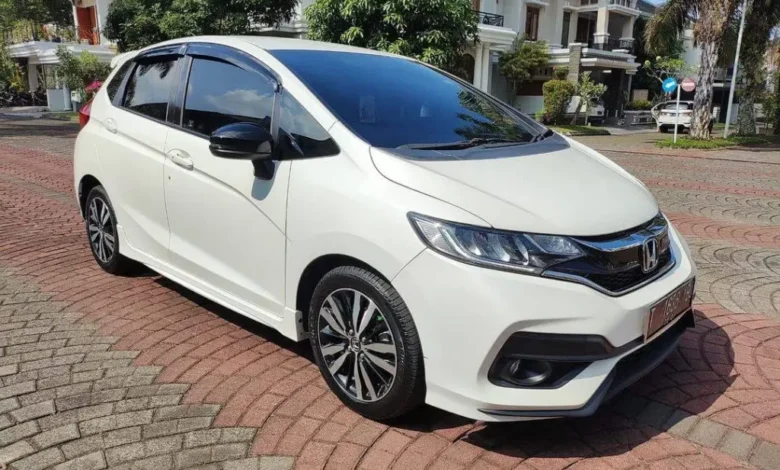
As the automotive market continues its dynamic evolution, the prospect of acquiring a reliable and stylish daily driver for family use in late July 2026 presents a myriad of options. Among these, the 2019 Honda Jazz RS stands out as a particularly attractive proposition. Its enduring modern design, coupled with a significantly more accessible pre-owned price point compared to its original retail value, positions it as a strong contender for discerning buyers. The Honda Jazz RS, even years after its production ceased, continues to be a sought-after model in the used car market, lauded for its harmonious blend of sporty aesthetics, spacious interior, responsive performance, and robust resale value. This sustained demand underscores its lasting appeal and relevance to a broad spectrum of car enthusiasts and practical users alike.
The Enduring Appeal of the Honda Jazz RS 2019: A Sporty Hatchback Still Relevant
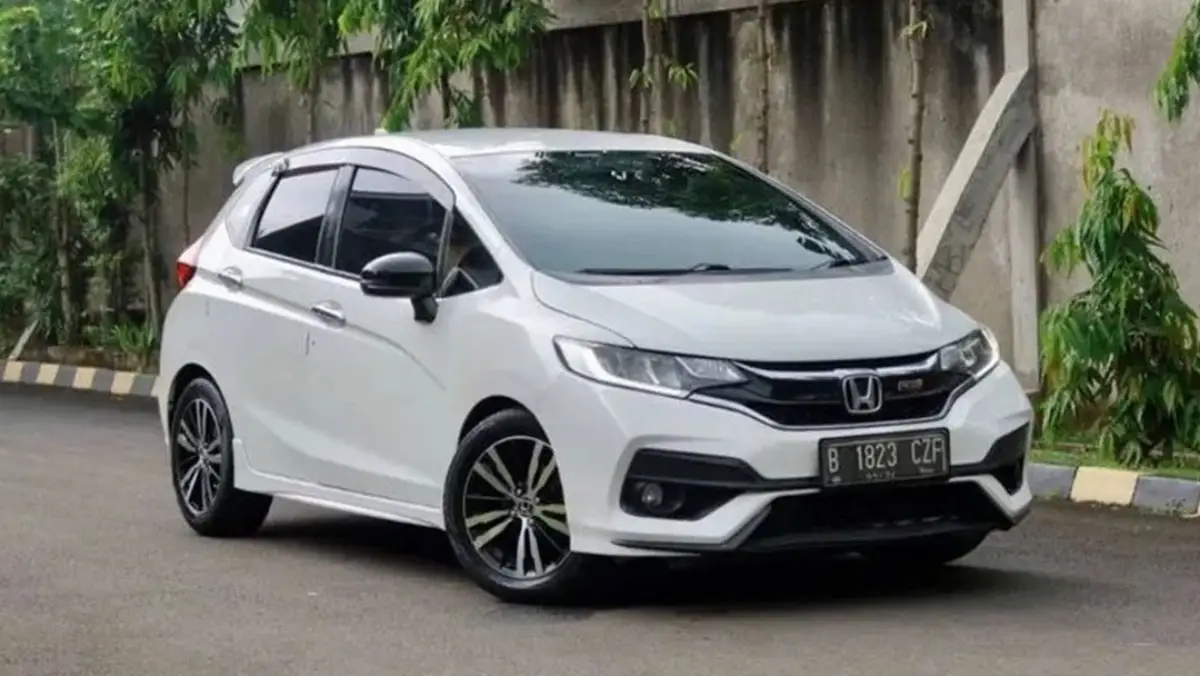
Honda’s strategic facelifts for the Jazz model, including the performance-oriented RS variant, have undoubtedly contributed to its sustained desirability. The 2019 iteration, in particular, showcases an emboldened front-end design characterized by sleeker, more assertive headlight clusters that enhance its aggressive stance. The RS trim level further elevates this by incorporating advanced LED lighting for the headlights, not only lending a contemporary edge but also significantly improving visibility during nocturnal drives. This attention to detail in design ensures the Jazz RS 2019 transcends its model year, maintaining a visual dynamism that still captivates.
Stepping inside the cabin of the Honda Jazz RS 2019 immediately immerses occupants in a sporty ambiance. The upholstery, steering wheel, and select interior panels are finished in high-quality fabric materials, exuding an air of understated elegance without compromising on comfort. Despite its classification as a hatchback, the interior space is remarkably generous, comfortably accommodating up to five passengers. This thoughtful spatial design is a hallmark of the Jazz, addressing a common concern for those seeking a compact vehicle that doesn’t sacrifice passenger comfort.
A significant competitive advantage of the Honda Jazz over many of its hatchback contemporaries lies in its exceptional cabin flexibility. The rear cargo area is impressively capacious, easily accommodating grocery runs, children’s gear, or luggage for extended family road trips. This inherent practicality is a key factor in its enduring popularity among young families and individuals who require a versatile vehicle that can adapt to various lifestyle needs. The ability to reconfigure the seating and cargo space provides a level of utility that is often difficult to find in vehicles within the same segment.
Beneath the hood, the Honda Jazz RS 2019 is powered by a robust 1.5-liter (1,497 cc) 4-cylinder SOHC i-VTEC engine. This engine, equipped with Drive-by-Wire (DBW) technology and a PGM-FI fuel injection system, is engineered to deliver a potent yet efficient performance.
Key Engine Specifications:
- Engine Type: 1.5L 4-Cylinder SOHC i-VTEC with DBW
- Displacement: 1,497 cc
- Fuel System: PGM-FI
- Horsepower (approximate): 120-130 PS (varies slightly by market and specific tuning)
- Torque (approximate): 145-155 Nm (varies slightly by market and specific tuning)
- Transmission Options: Typically available with a 5-speed manual or a Continuously Variable Transmission (CVT) in most markets.
For everyday commuting, the engine’s responsiveness is a standout feature, providing eager acceleration whether navigating city traffic or cruising on the open highway. Furthermore, with diligent routine maintenance, the fuel consumption remains commendably efficient, contributing to lower running costs for owners.
Beyond its mechanical prowess and design, the ownership experience of a Honda Jazz is further enhanced by the brand’s extensive official service network. The widespread availability of authorized service centers ensures convenient and reliable maintenance. Crucially, the accessibility of spare parts is a significant advantage, minimizing downtime and repair costs. This ease of maintenance, coupled with Honda’s reputation for reliability, contributes to the Jazz’s strong resale value, often outperforming many of its direct competitors in the hatchback segment.
In the current pre-owned market, a 2019 Honda Jazz RS, particularly the automatic transmission variant with up-to-date registration and road tax, is typically priced around the Rp200 million mark. It is important to note that this price is an approximation and can fluctuate based on the vehicle’s overall condition, its service history, and the geographical location of sale. Buyers are encouraged to conduct thorough research and compare offerings to secure the best possible deal.
Navigating the Used Market: Essential Tips for Purchasing a 2019 Honda Jazz RS
Before committing to the purchase of a pre-owned 2019 Honda Jazz RS, prospective buyers should undertake a series of prudent checks to ensure they acquire a vehicle in optimal condition and mitigate potential post-purchase repair expenses. Adhering to these simple yet effective steps can significantly enhance the buying experience and long-term satisfaction.
1. Scrutinize the Service History
Prioritize vehicles that possess a comprehensive and consistent record of periodic maintenance. Cars that have been regularly serviced are generally in better mechanical condition, with their engines and vital components having received the care necessary to maintain their integrity and performance. A well-documented service history provides invaluable insight into the vehicle’s past upkeep and can be a strong indicator of its present state.
2. Leverage Professional Pre-Purchase Inspections
For individuals who may lack extensive experience in assessing used vehicles, engaging a professional pre-purchase inspection service is highly recommended. Services like MoInspeksi, for example, offer thorough examinations conducted by trained technicians. These inspections typically cover critical areas such as the engine, transmission, suspension, braking system, and electrical components. Furthermore, professional inspectors can identify signs of previous accidents or flood damage, providing buyers with the confidence to proceed with their purchase.
3. Verify Transmission Performance
Regardless of whether one opts for a manual or automatic transmission, a comprehensive test drive is imperative. During the test drive, pay close attention to gear shifts, ensuring they are smooth and without any jarring sensations or unusual noises. For automatic transmissions, observe for any signs of hesitation or slippage. For manual transmissions, check for clutch engagement and ease of shifting between gears. A well-functioning transmission is crucial for both driving comfort and long-term reliability.
4. Inspect the Suspension and Undercarriage
During the test drive, actively listen for any abnormal sounds, such as clunks, rattles, or squeaks, particularly when traversing uneven surfaces, speed bumps, or potholes. The condition of the suspension system directly impacts ride comfort and handling. A healthy suspension ensures a smooth and stable ride, essential for daily driving. A visual inspection of the undercarriage for any signs of rust, damage, or fluid leaks is also advisable.
5. Reconcile Chassis and Engine Numbers with Documentation
A critical step in the purchase process is to meticulously verify that the chassis (VIN) and engine numbers inscribed on the vehicle correspond precisely with those listed on the legal documentation, such as the Registration Certificate (STNK) and Vehicle Ownership Certificate (BPKB). This verification is paramount for ensuring a smooth and legally compliant ownership transfer process and preventing potential future complications.
6. Conduct Comparative Market Analysis
Avoid the temptation to make an immediate purchase decision based on the first vehicle encountered. Instead, dedicate time to comparing prices, overall condition, mileage, and the completeness of service records across multiple units from various dealerships or private sellers. This due diligence allows for an informed decision and helps in securing the most favorable deal available in the market.
Conclusion: The 2019 Honda Jazz RS – A Sound Investment in Late 2026
With pre-owned prices now hovering around the Rp200 million mark, the 2019 Honda Jazz RS continues to represent one of the most compelling hatchback acquisitions available in late July 2026. Its timeless sporty design, practical and spacious interior, and spirited performance characteristics, combined with the ease of ownership afforded by abundant spare parts and a strong resale value, make it an exceptionally attractive option for a wide range of buyers.
To maximize the value and minimize potential unforeseen expenses, it is strongly advised that prospective buyers conduct a thorough and professional inspection of any vehicle they are considering. Ensuring the car’s condition has been comprehensively assessed prior to purchase will contribute significantly to a positive ownership experience. For those seeking further insights into the used car market, purchasing advice, or professional vehicle inspection services, resources like Moladin offer valuable assistance and expertise. The Honda Jazz RS 2019, when purchased with due diligence, remains a testament to Honda’s engineering prowess and a pragmatic choice for those seeking a dependable and engaging vehicle.