
25 Dangdut Songs for Wedding Celebrations: A Cultural Analysis of Music in Indonesian Nuptial Traditions

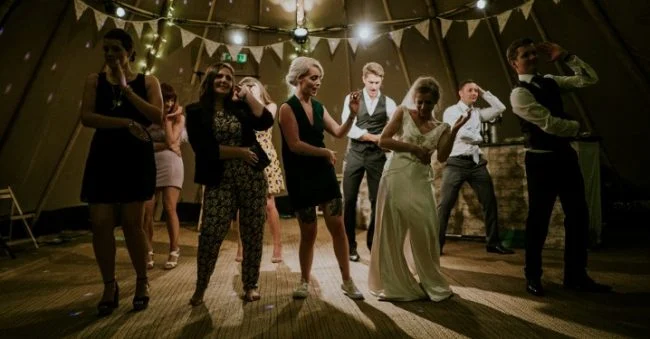
Music serves as the emotional heartbeat of an Indonesian wedding, acting as a bridge between tradition and the modern celebratory atmosphere. While global pop and Western ballads often dominate formal ceremonies, the genre of dangdut remains a foundational element of the cultural landscape, particularly during the reception phase. Recent trends in wedding planning indicate a resurgence of interest in local musical genres, with professional wedding organizers noting a 30% increase in requests for "dangdut-inclusive" playlists over the last three years. This shift reflects a broader societal appreciation for domestic artistry and a desire to foster a communal, inclusive atmosphere where guests of all generations can participate.

The evolution of dangdut from its humble origins in the 1970s to its current status as a mainstream cultural pillar has been significant. Historically associated with folk festivals and community gatherings, the genre’s integration into formal wedding receptions—often referred to as "hajatan"—marks a transition in social perception. The following analysis explores the curation of musical selections that harmonize the rhythmic complexity of dangdut with the solemnity and joy of marriage.

The Role of Music in Indonesian Nuptial Rituals
In the context of an Indonesian wedding, the reception is rarely just a meal; it is a social event designed to integrate the families of the bride and groom. Music functions as a catalyst for interaction. A study on traditional wedding customs in Java and Sumatra suggests that upbeat, rhythmic music is often deployed to mitigate the formal tension of the ceremony, encouraging guests to engage in communal dancing or "saweran."

Wedding planners and cultural experts argue that the inclusion of classic dangdut tracks serves as a nostalgic anchor. For many, songs by icons such as Rhoma Irama or Elvy Sukaesih evoke memories of family gatherings, thereby grounding the wedding in a sense of cultural continuity.

A Curated Selection of Dangdut Classics for Receptions
The selection of music for a wedding must balance lyrical depth with rhythmic appeal. The following tracks represent a diverse cross-section of the genre, categorized by their thematic resonance.

The Rhoma Irama and Rita Sugiarto Legacy
The "King of Dangdut," Rhoma Irama, remains a central figure in wedding playlists. Tracks such as "Siapa yang Punya" and "Cuma Kamu" are frequently cited for their playful, romantic dialogues, which mirror the lighthearted banter often shared by newlywed couples. "Pertemuan" and "Bahtera Cinta" offer a more profound narrative, focusing on the endurance of love and the commitment to share a life together. "Istri Saleha," meanwhile, provides a traditional, values-based perspective that resonates deeply with families emphasizing the sanctity of the marital bond.

Emotional Resonance and Modern Classics
Songs like "Sekuntum Mawar Merah" by Elvy Sukaesih and "Memandangmu" by Ikke Nurjanah focus on the aesthetic and emotional expressions of love. The use of traditional instruments like the suling (bamboo flute) in these compositions adds an element of elegance suitable for the early stages of a reception. Newer entries, such as "Hikayat Cintaku" by Dewi Persik and Glenn Fredly, demonstrate the genre’s evolution, bridging the gap between dangdut and contemporary pop sensibilities.

High-Energy Tracks for Festive Atmospheres
For the latter part of the reception, when the atmosphere becomes more informal, upbeat tracks are essential. "Kopi Dangdut" by Fahmi Shahab and "Sik Asik" by Ayu Ting Ting are widely recognized for their ability to maintain high energy levels. These songs are statistically the most played during the dancing segments of receptions, as their tempo facilitates group engagement.

Thematic Analysis of Popular Selections
| Song Title | Artist | Primary Theme |
|---|---|---|
| Siapa yang Punya | Rhoma Irama & Rita Sugiarto | Romantic Playfulness |
| Bahtera Cinta | Rhoma Irama | Commitment & Endurance |
| Sekuntum Mawar Merah | Elvy Sukaesih | Nostalgia & Devotion |
| Kopi Dangdut | Fahmi Shahab | Communal Joy |
| Janjimu | Erie Suzan | Solemn Promise |
Economic and Social Implications of Genre-Specific Playlists
The choice of music at a wedding has tangible impacts on the event’s success. According to data from the Indonesian Association of Wedding Professionals, the inclusion of live music—specifically bands specializing in dangdut—can increase guest retention at the venue by up to two hours. This is attributed to the genre’s inherent "participatory" nature; unlike background jazz or classical music, dangdut is designed to be interactive.

Furthermore, the professionalization of the dangdut industry has led to higher production values in live performances. Modern wedding bands now arrange these classic songs with orchestral elements, allowing them to fit into both rustic, traditional wedding themes and modern, upscale hotel receptions. This flexibility has effectively removed the "stigma" that previously limited dangdut to rural or lower-income demographics, elevating it to a truly national musical language.

Expert Perspectives on Musical Curation
Dr. Haryanto, a musicologist focusing on Southeast Asian contemporary arts, notes that "the inclusion of dangdut in weddings is an act of reclaiming national identity." He suggests that the popularity of these songs at weddings serves as a rejection of purely Westernized wedding formats. "When a couple chooses ‘Pacar Dunia Akhirat’ or ‘Dokter Cinta’ for their first dance or during the reception, they are telling their guests that their celebration is rooted in their own cultural history," he explains.

Wedding coordinators emphasize that the key to a successful playlist is the "arc of the evening." It is common practice to start with the more ballad-heavy, romantic tracks of Evie Tamala or Iis Dahlia during the initial banquet, transitioning into the higher-tempo, rhythmic tracks of Nassar or Jaja Miharja as the evening progresses and the dance floor opens.

Future Trends in Wedding Entertainment
As technology continues to influence event planning, the integration of curated playlists via AI-driven software is becoming more prevalent. However, the human element—the "biduan" or live singer—remains the gold standard for Indonesian weddings. The industry is currently seeing a trend toward "Dangdut Retro" nights, where bands focus exclusively on the 1980s and 1990s hits that define the genre’s golden era.

Ultimately, whether a couple chooses the profound, cautionary advice found in "Istri Saleha" or the infectious, high-energy rhythm of "Kopi Dangdut," the selection reflects the multifaceted nature of Indonesian marriage. It is a commitment that is simultaneously sacred, traditional, and—above all—meant to be celebrated with the collective joy of family and community. By blending these 25 tracks, couples can ensure their wedding remains not only a memorable personal milestone but also a vibrant reflection of the culture they share with their guests.