Qualcomm Snapdragon X Elite Powers Googlebook in Landmark Partnership Set to Redefine Laptop Computing

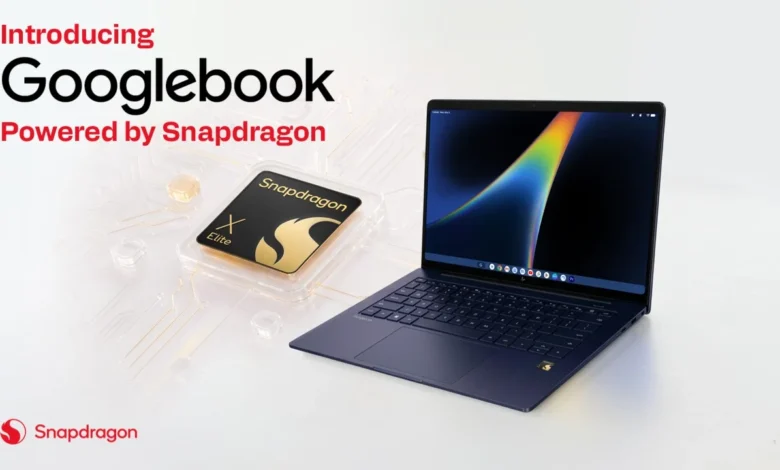
The landscape of personal computing is undergoing a significant transformation following a major announcement by tech giants Google and Qualcomm. Google has officially introduced an entirely new platform category known as the Googlebook, powered by the high-performance Qualcomm Snapdragon X Elite processor. Unveiled on September 21, 2026, this strategic collaboration merges Qualcomm’s advanced processing architecture and artificial intelligence capabilities with Google’s expansive software ecosystem, bridging the gap between mobile operating systems and high-productivity laptop form factors. By integrating native Android application support, advanced Gemini Intelligence, and seamless cross-device connectivity into a dedicated PC category, the Googlebook aims to challenge traditional paradigms established by both Windows laptops and standard Chromebooks.
Strategic Genesis of the Googlebook Platform
The development of the Googlebook platform represents the culmination of years of convergence between mobile and desktop computing architectures. For well over a decade, Google’s ChromeOS carved out a distinct niche in the education and budget enterprise sectors by offering a lightweight, web-first operating system. Simultaneously, the smartphone market matured rapidly, with Android dominating global mobile share and fostering an ecosystem of millions of sophisticated applications and immersive mobile games.
However, running mobile applications on traditional desktop architectures often required complex emulation layers, virtualization, or sub-optimal software translation, leading to inconsistent user experiences. Recognizing this friction, Google initiated a multi-year engineering effort to create a native computing environment capable of running desktop-class software alongside the entire breadth of the Android ecosystem without performance compromises.
Qualcomm entered this equation following the breakthrough success of its Snapdragon X Elite processor architecture. Initially designed to bring high-performance, power-efficient ARM-based computing to the Windows ecosystem, the Snapdragon X Elite proved that non-x86 processors could rival and even exceed traditional CPU benchmarks while offering exceptional battery longevity. Recognizing a mutual opportunity to redefine mobile-desktop convergence, Google and Qualcomm forged a deep hardware-software partnership. The result is the Googlebook, a purpose-built device category designed from the ground up to leverage the unique neural processing capabilities of Qualcomm silicon alongside Google’s most advanced cloud and on-device software services.
Core Architecture: Snapdragon X Elite Meets Gemini Intelligence
At the heart of the newly introduced Googlebook lineup is the Qualcomm Snapdragon X Elite system-on-chip. Built on an advanced process node, the processor features a multi-core CPU architecture engineered to deliver sustained high performance under demanding workloads. Crucially, the chipset incorporates an industry-leading Neural Processing Unit (NPU) capable of executing tens of trillions of operations per second (TOPS), providing the necessary computational horsepower to run local artificial intelligence models efficiently.
This hardware foundation enables the integration of Gemini Intelligence directly into the Googlebook operating environment. Unlike traditional cloud-dependent AI assistants, Gemini on the Googlebook functions proactively and contextually across the user’s entire digital workflow. Through features such as Cast my Apps, Magic Pointer, and Rambler, the system continuously analyzes relevant information from incoming emails, calendar schedules, active browser tabs, and on-screen content to offer predictive suggestions, automate repetitive administrative tasks, and streamline multitasking.
Furthermore, the integration of Snapdragon Elite Gaming technology brings advanced graphics capabilities to the platform. Users are no longer restricted to casual browser-based gaming; the Googlebook supports native Android games scaled for desktop displays, featuring higher frame rates, enhanced visual fidelity, and optimized thermal management. This combination of processing muscle and graphics enhancement ensures that the device can seamlessly transition from intensive productivity workloads to multimedia consumption and gaming.
Ecosystem Integration and Native Android Compatibility
One of the defining value propositions of the Googlebook is its native compatibility with the Android ecosystem. Rather than relying on cloud streaming or heavy containerization, the platform executes Android applications natively at the silicon level. This allows users to download and run millions of applications and games directly from the Google Play Store with minimal latency and full access to hardware acceleration.

Cross-device continuity is another cornerstone of the Googlebook user experience. Through tight integration engineered jointly by Google and Qualcomm, the laptop maintains an unbroken connection with nearby Android smartphones and tablets. Users can instantly mirror applications, share clipboards, transfer files securely without third-party utilities, and receive synchronized notifications across all connected hardware. This frictionless interoperability directly addresses consumer demand for a unified digital ecosystem that mirrors the seamless device handoff popularized by other major hardware manufacturers.
Despite the heavy computational demands of running advanced AI features and native mobile applications simultaneously, Qualcomm’s focus on power efficiency ensures that the Googlebook maintains exceptional battery life. The Snapdragon X Elite architecture dynamically scales power consumption based on the active workload, allowing the device to achieve genuine all-day battery endurance under standard usage conditions—though actual longevity varies depending on specific workflows, screen brightness, and peripheral connectivity.
Industry Adoption: Dell and HP Lead the Hardware Rollout
To bring the Googlebook platform to market, Google and Qualcomm partnered with premier original equipment manufacturers (OEMs) for the initial hardware launch. Dell and HP have stepped forward as the pioneer manufacturers, introducing flagship hardware implementations designed to showcase the capabilities of the Snapdragon X Elite architecture within the new ecosystem.
Dell has introduced the Dell XPS Googlebook, combining the premium industrial design language, edge-to-edge display technology, and robust chassis engineering of its renowned XPS lineup with the new Google software platform. Meanwhile, HP has revealed the HP Googlebook 14, targeting a broader segment of mobile professionals and students seeking a balance of portability, durability, and performance.
Both manufacturers opened pre-order channels immediately following the September 21 announcement. However, regional availability schedules and official retail pricing structures remain subject to local market announcements. As of this writing, Qualcomm and its manufacturing partners have not yet disclosed specific release timelines or pricing for the Indonesian market, leaving local consumers and enterprise buyers awaiting further updates from regional distributors.
Industry Implications and Market Analysis
The launch of the Googlebook powered by the Snapdragon X Elite marks a critical inflection point in the personal computer industry. For years, the traditional laptop market has operated largely as a binary choice between Microsoft Windows-powered x86 machines and Apple’s proprietary Silicon ecosystem. ChromeOS carved out a significant presence in education, but historically struggled to capture the high-end enterprise and prosumer segments due to performance limitations and software constraints.
By introducing a high-performance, AI-driven platform that merges desktop productivity with the world’s largest mobile application ecosystem, Google and Qualcomm are attempting to establish a third pillar in personal computing. The success of this initiative will depend heavily on developer adoption, enterprise security validation, and consumer reception of the pricing models established by Dell, HP, and subsequent hardware partners.
If the Googlebook successfully delivers on its promise of all-day battery life, proactive AI assistance, and seamless cross-device continuity, it could compel traditional PC and operating system vendors to accelerate their own convergence strategies. As pre-orders roll out globally and initial consumer reviews emerge in the coming months, the technology sector will closely monitor whether this ambitious collaboration can permanently alter how users interact with their mobile and desktop environments.
Related posts: